Chickens are seasonal layers. Homegrown eggs therefore don’t arrive at the same rate year around. Sometimes you get too many. Sometimes not enough. Here are seven ways to store your farm fresh eggs, from countertop storage to dehydration. By extending their shelf-life, you can save them for when your hens take a vacation from laying. […]
A chicken’s egg tooth is a tiny horn-like projection at the tip of the upper beak of a newly hatched chick. Its purpose is to help the chick break through the shell at hatching time. Soon after the chick hatches, the egg tooth falls off. Domestic poultry and other birds share this trait in common […]
Waiting for a chicken to start laying eggs can seem like an eternity. The blessed event may take anywhere from four months to eight months, depending on the chicken’s breed. However, as a hen approaches laying age, she begins to show certain signs that will tell you eggs are on the way. Here’s a guide […]
Most backyard chickens do not lay an egg every day of the year. The average mature, healthy hen takes 25 to 26 hours to produce one egg. So a hen that lays at 6:00 in the morning today will likely lay between 7:00 and 8:00 tomorrow morning. Since a hen normally doesn’t lay after dark, […]
An amazing characteristic of Phoenix chickens is their exceptionally long and multiple tail feathers. Even the hens have more tail feathers than most other chickens. The Phoenix was developed from the Onagadori, a breed from Japan that has a non-molting gene. Despite its exceptionally long tail, the Phoenix lacks the non-molting gene and therefore molts […]
The ermine Ameraucana is unique among chickens in its stunning white and black feather pattern. The unusual plumage is the result of a dominant white genetic mutation that partially suppresses the expression of black feathers. This pattern is currently being developed into a standard color variety of the breed. During the process, opinions vary as […]
Ameraucana chickens derive from blue-egg laying Chilean Araucanas. Chicken keepers enjoy this breed for their unusual blue-shell eggs. Ameraucanas are also popular for exhibition. With their small pea comb, tiny wattles, and fluffy feathers, they are especially winter hardy, and the hens lay well even in winter. What is an Ameraucana Chicken? Where Did Ameraucanas […]
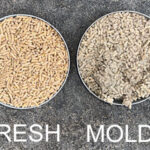
Properly stored chicken feed keeps the nutrients from degrading and the feed safe to eat. A number of things can cause feed to go bad including rodents, insects, mold, moisture, and light. To ensure freshness, use up feed within 2 to 4 months. Meanwhile, store chicken feed in a durable container with a tight-fitting lid. […]
Choosing between heritage vs. broad breast turkeys can be confusing. Although they both come from the same genetic background, they differ in many ways. The former can mate naturally, is slower growing, and smaller in size. The latter grow more quickly and weigh more, but breeding them requires artificial insemination. Plus, largely because of differences […]