Description
White Phoenix Bantam Chicken
Breed Overview and Origin
The White Phoenix Bantam chicken is a miniature longtail chicken known for its clean white plumage, graceful tail feathers, and ornamental show-bird appeal. If you want a small chicken that looks elegant in a show pen and adds something special to a backyard flock, this variety is worth considering.
Phoenix chickens belong to the longtail group, which includes breeds selected for unusually long tail feathers. Cackle Hatchery’s article Breed Spotlight: Lovely Longtail Chickens explains that longtail chickens include Phoenix, Yokohama, Cubalaya, Sumatra, and other breeds known for dramatic tails.
The Phoenix breed traces back to long-tailed Japanese fowl and later European and American breeding work. The Livestock Conservancy describes Phoenix chickens as ornamental and exhibition birds with pheasant-like appearance, white earlobes, blue legs, fair laying ability, broodiness, and good mothering instinct.
Cackle Hatchery® offers the White Phoenix Bantam as a small ornamental bird for customers who enjoy longtail chickens, exhibition poultry, and fancy bantams. This variety works best for keepers who can provide clean, dry housing and enough room to protect those beautiful tail feathers.
Appearance and Characteristics
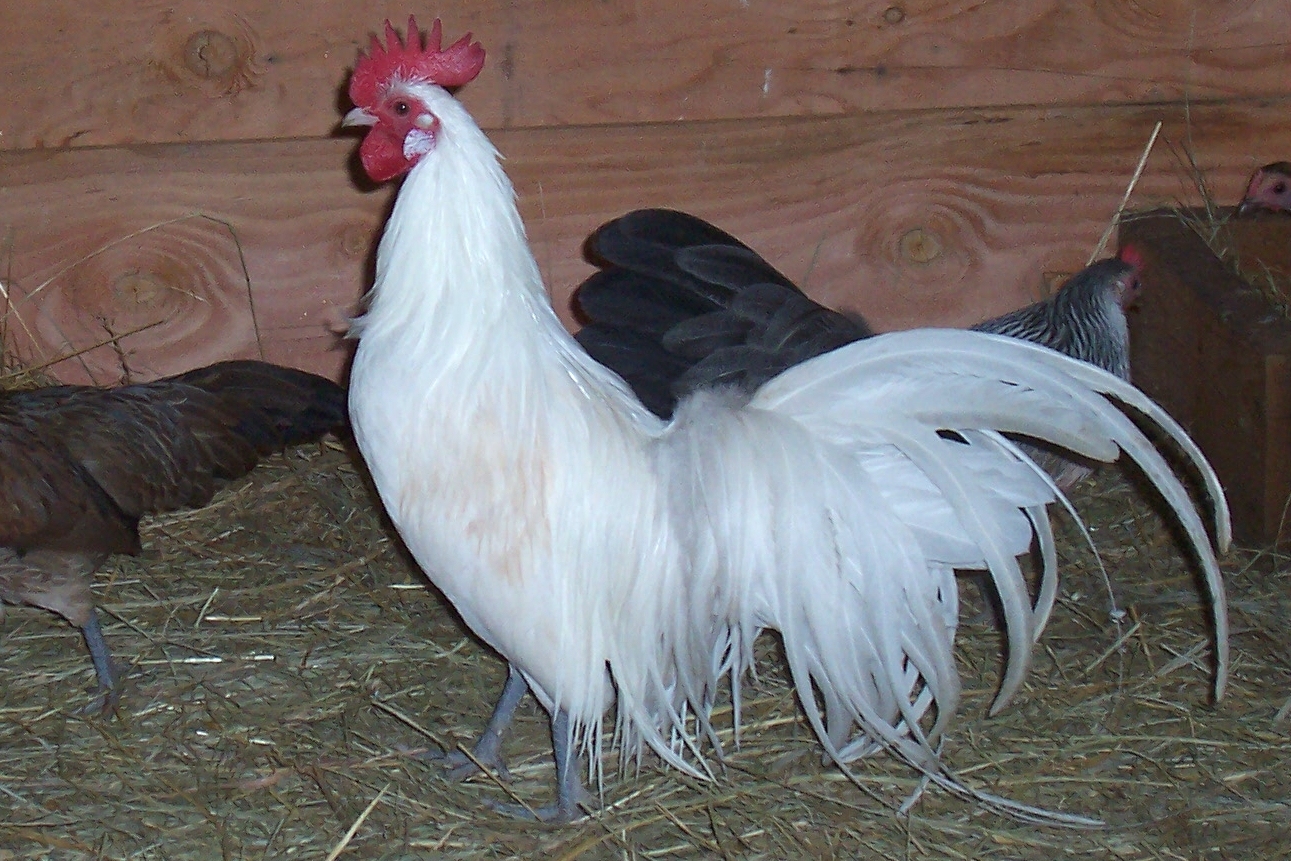
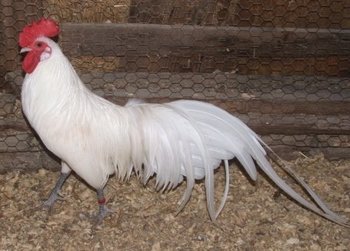
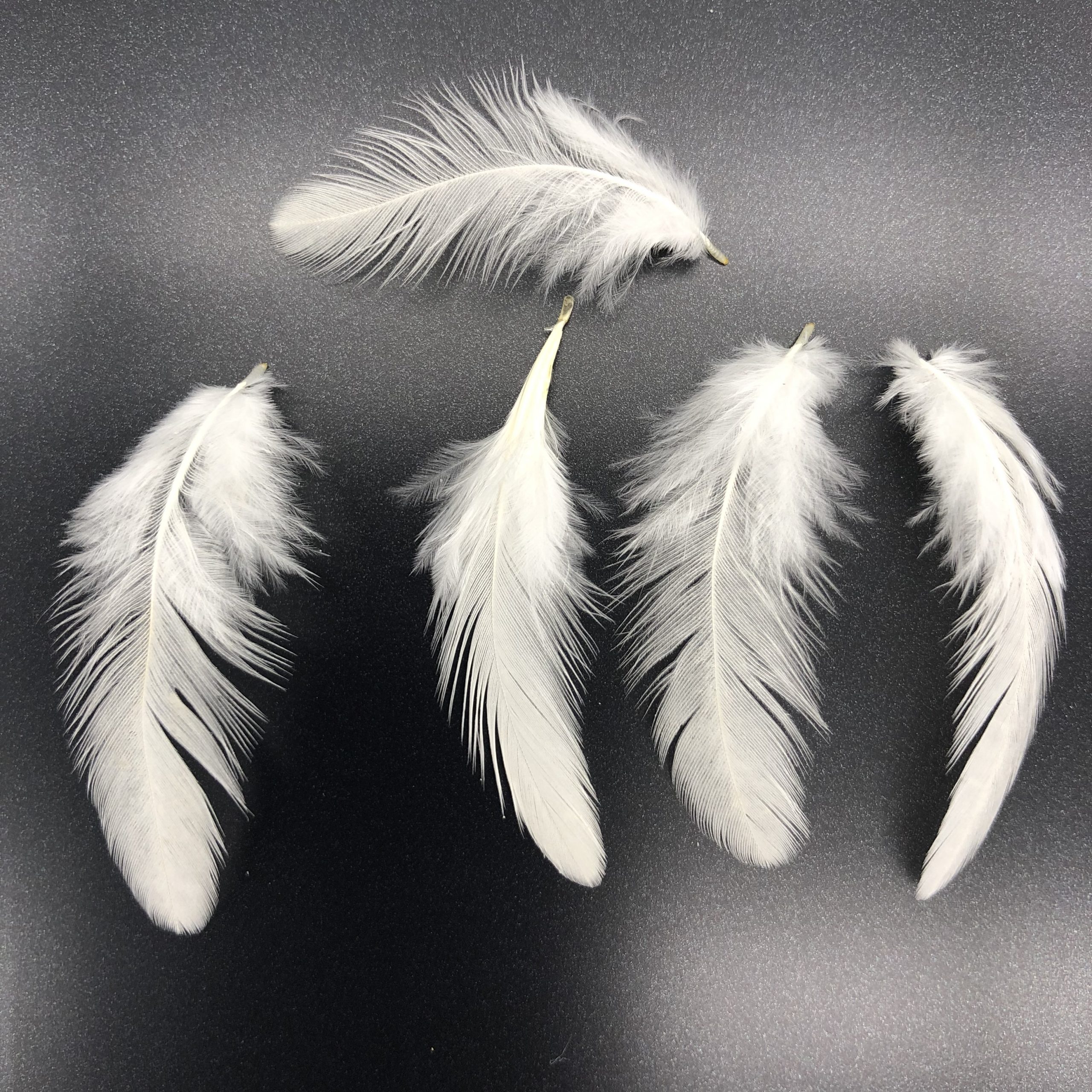
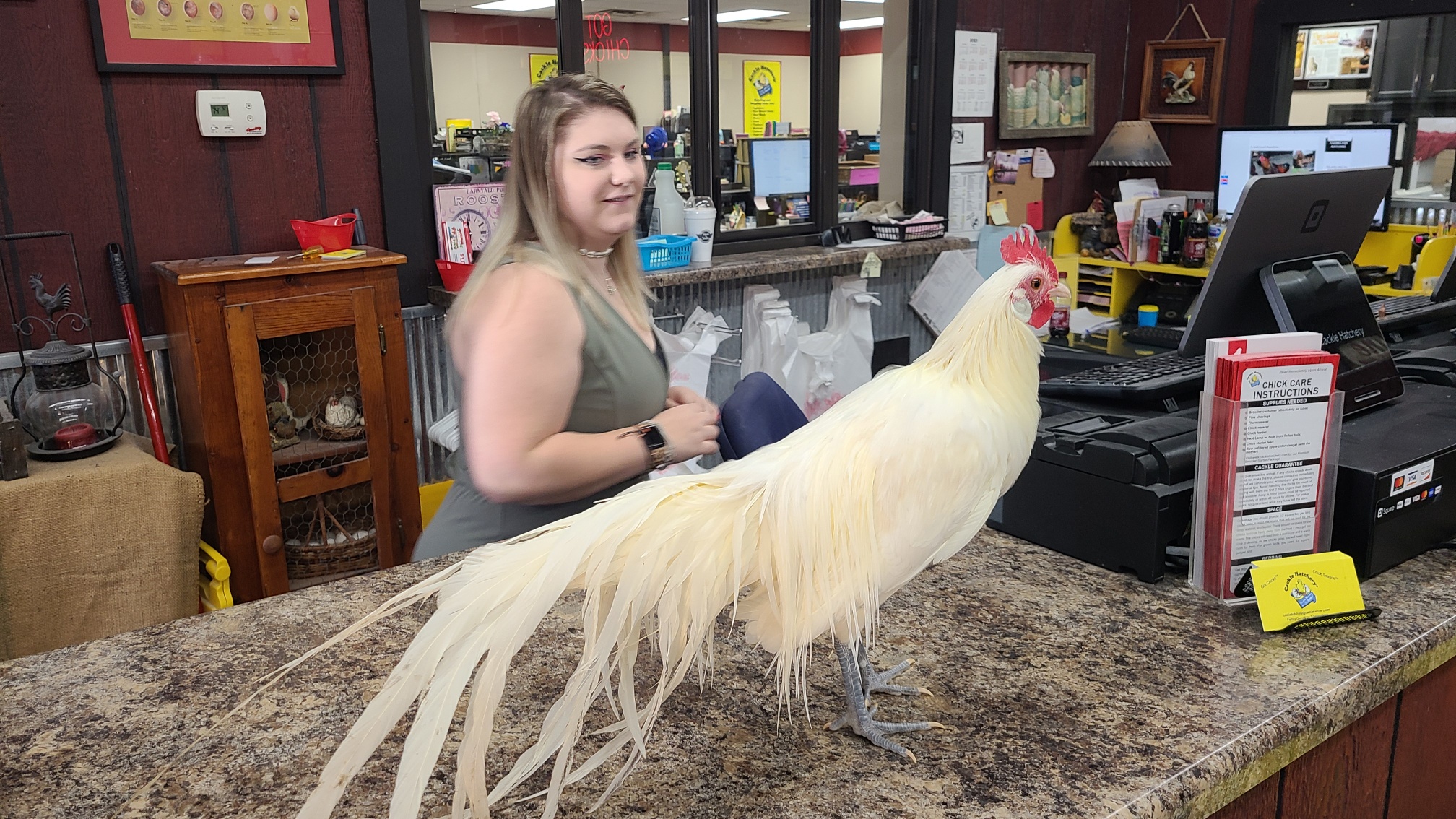
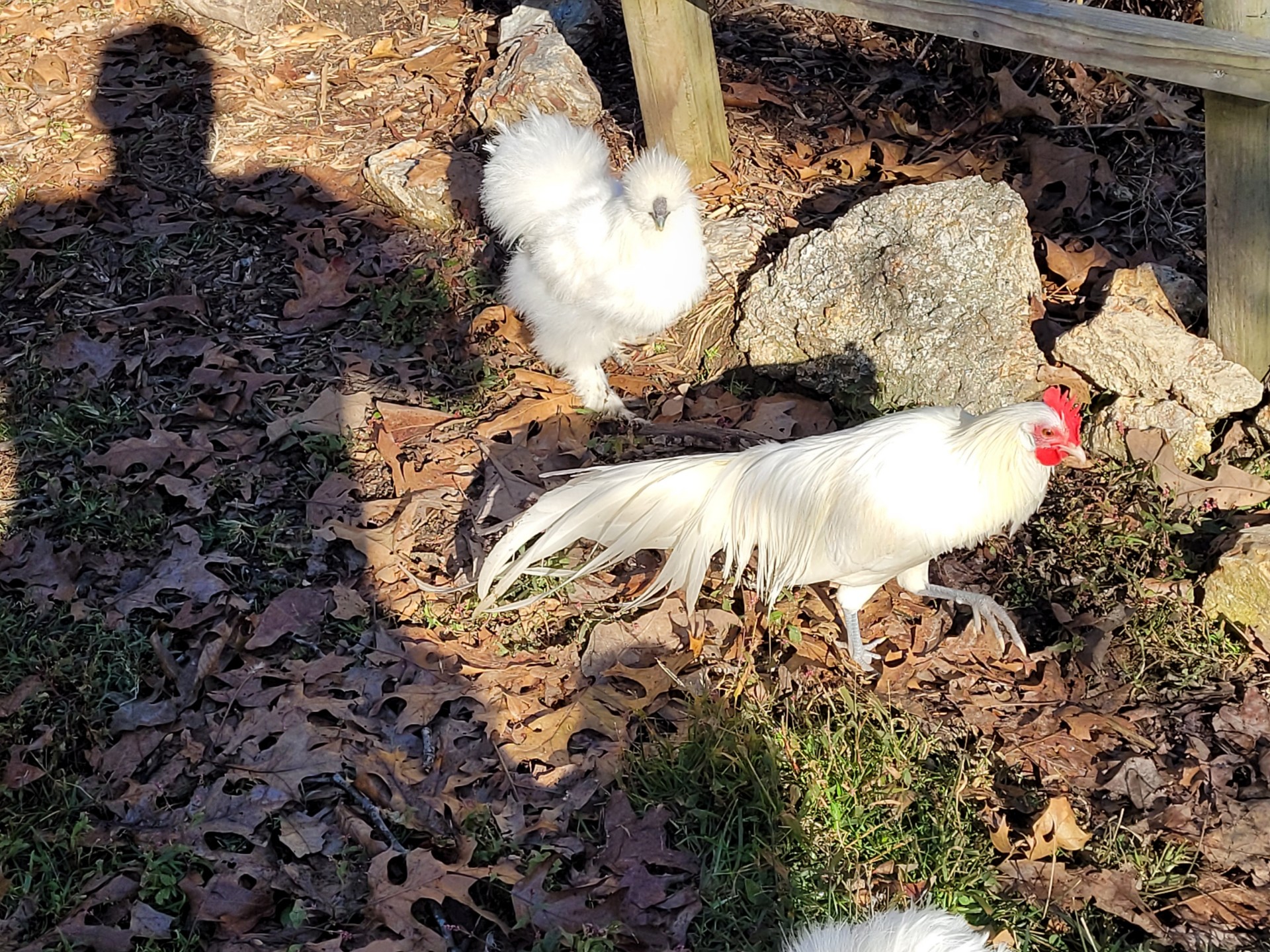
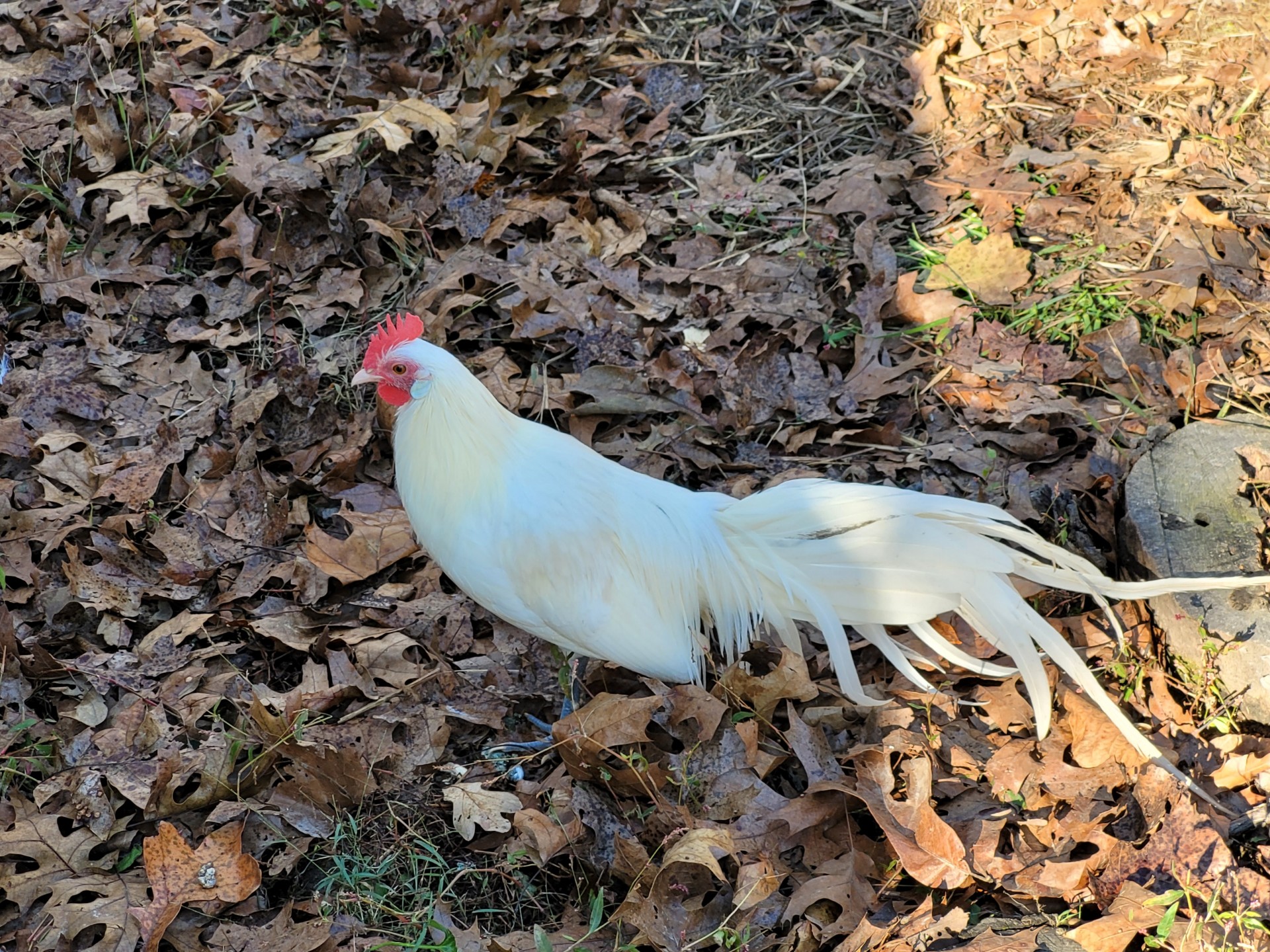
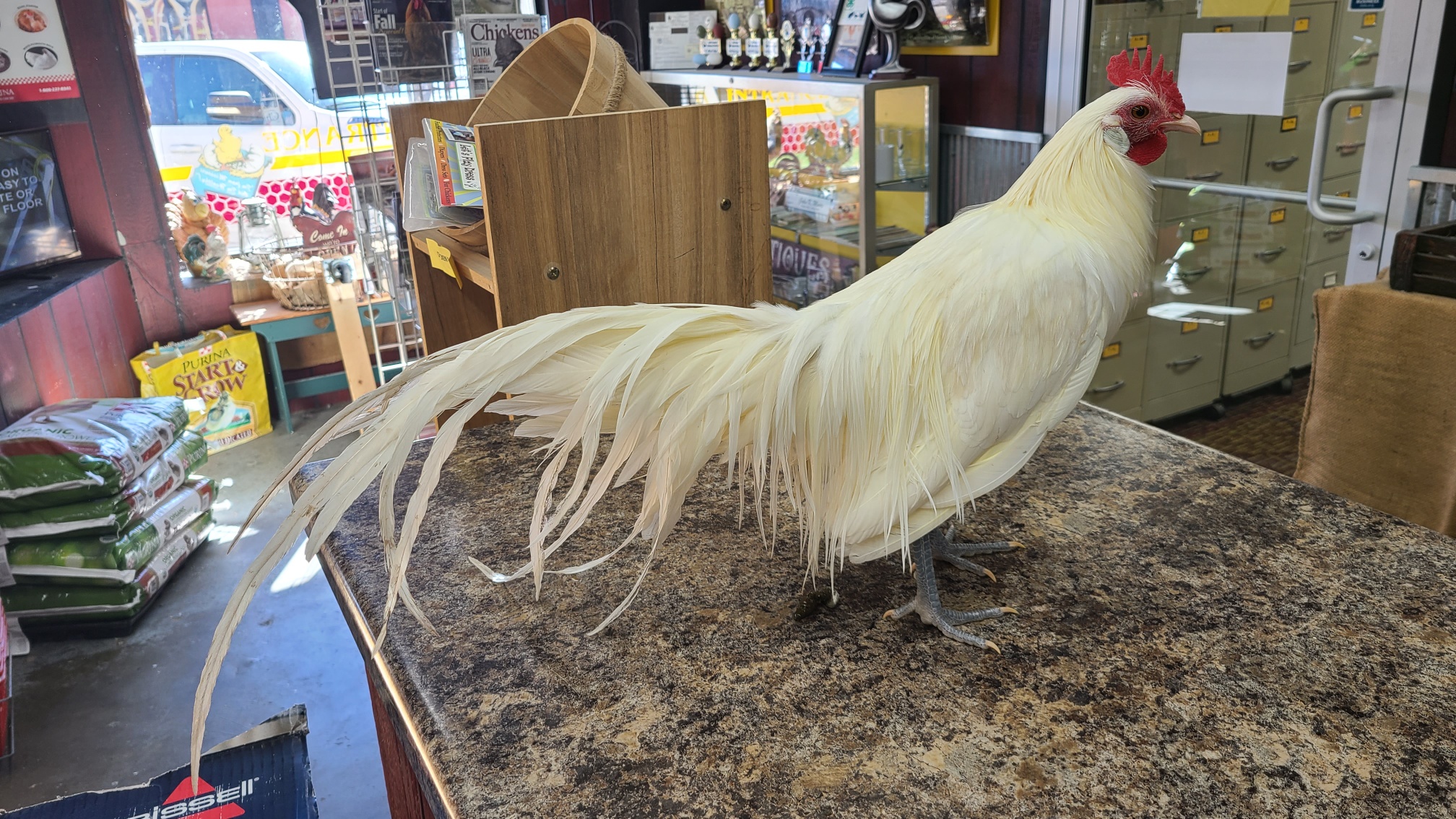
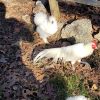
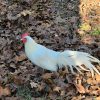
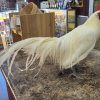
White Phoenix Bantams have bright white plumage, a graceful body shape, and long flowing tail feathers. Roosters usually show the most dramatic tail development, while hens carry a neater but still elegant longtail look.
The tail is the main attraction. However, Phoenix chickens do not grow tails the same way as true Onagadori chickens. The Livestock Conservancy explains that the Onagadori carries a gene that prevents normal annual molting, while the Phoenix largely lost that trait through crossbreeding. Even so, Phoenix roosters can still grow impressive sickle and saddle feathers with proper care.
White feathering gives this bantam a clean, refined appearance, but it also shows dirt more quickly than darker colors. Therefore, White Phoenix Bantams look best in dry, well-bedded pens with clean roosts and protected outdoor space.
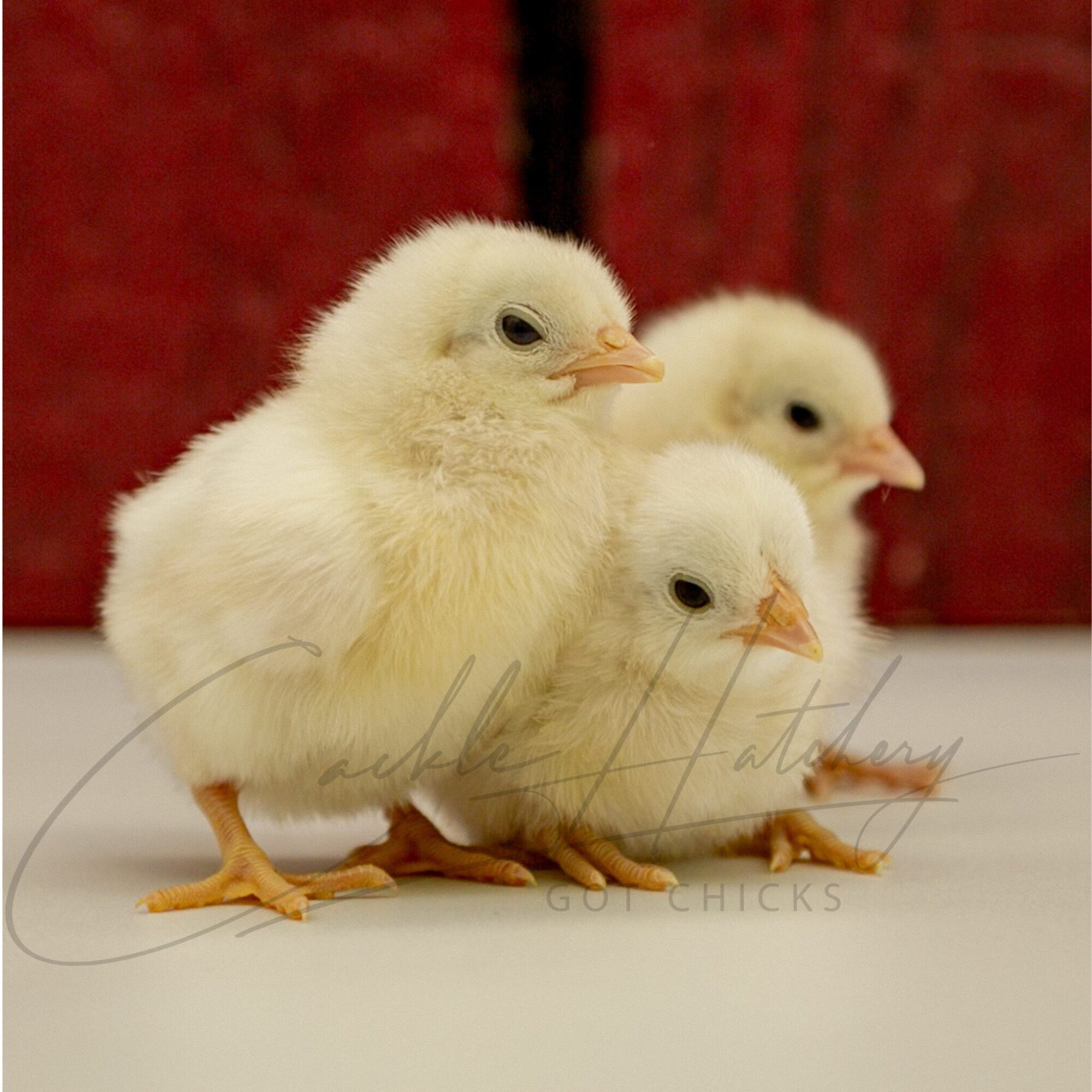
Cackle Hatchery® lists the White Phoenix Bantam as baby chicks only, with no sexing available and seasonal shipping from early February through mid-August.
White Phoenix Bantam vs Other Phoenix Chickens: How to Choose
White Phoenix Bantams share the same longtail character as other Phoenix varieties, but their all-white plumage gives them a clean, elegant show look.
Choose White Phoenix Bantam if you want a miniature longtail chicken with white plumage, flowing tail feathers, and exhibition appeal.
Choose the standard-size White Phoenix Chicken if you like the same white longtail look but want the larger version of the breed. Cackle’s standard White Phoenix listing describes that bird as a long-tail exhibition chicken with cream or tinted eggs, poor egg production, active temperament, and Cackle bloodline development since 2014.
Choose Silver Duckwing Phoenix Chicken if you prefer the standard-size silver duckwing pattern.
Choose Golden Duckwing Phoenix Chicken if you prefer warmer golden duckwing coloring.
Choose Black Breasted Red Phoenix chickens if you like a standard-size Phoenix with classic black-breasted red coloring.
For customers who enjoy variety, the Phoenix Bantam Chicken Special offers a hatchery-choice Phoenix bantam assortment. The Long Tail Surplus Special may also include Phoenix, Yokohama, and other longtail varieties, depending on what hatches.
Egg Production and Utility
White Phoenix Bantams serve mainly as ornamental and exhibition chickens. Customers should choose them for beauty, longtail character, and show appeal rather than heavy egg production.
Phoenix hens may lay small cream or tinted eggs. The Livestock Conservancy describes Phoenix chickens as fair layers of small to medium cream or tinted eggs and notes that hens can go broody and make good mothers.
Even so, White Phoenix Bantams are not production layers. Egg numbers can vary with age, daylight, nutrition, season, housing, and overall flock management. Because these are bantams, their eggs will be smaller than standard-size chicken eggs.
White Phoenix Bantams do not serve as meat birds. Their value comes from ornamental beauty, longtail type, breed history, broody potential, and the enjoyment of keeping a small show-quality bird.
Temperament and Suitability
White Phoenix Bantams are active, alert, and elegant little birds. Many keepers enjoy them because they bring movement, beauty, and longtail charm to a flock. However, they need more thoughtful care than ordinary backyard layers.
A secure, clean pen works better than rough free-range conditions, especially for roosters with longer tails. Mud, brush, tight fencing, and rough weeds can soil or break tail feathers. Clean bedding, dry ground, smooth roosts, and spacious housing help preserve their appearance.
This variety can work well for:
- Poultry exhibitors
- Bantam hobby flocks
- Longtail chicken enthusiasts
- 4-H and youth poultry projects with guidance
- Customers who want ornamental chickens
- Keepers who can provide clean, dry, tail-friendly housing
- Flocks where broody bantam hens may be appreciated
Choose another breed if you mainly want high egg production, meat, or a low-maintenance free-range chicken. White Phoenix Bantams look their best when you manage them with feather care in mind.
Is the White Phoenix Bantam Chicken Right for Your Flock?
Choose White Phoenix Bantam chickens if you want:
- A miniature longtail chicken
- A white ornamental bantam
- A show bird with graceful feathering
- A small chicken with elegant white plumage
- A longtail breed with strong visual impact
- A bantam that may show broody mothering instinct
- A bird for a clean, secure bantam setup
- A chicken that pairs well with other ornamental bantams
- A longtail variety recognized in American poultry exhibition history
Consider another breed if you want a heavy egg layer, a meat bird, or a rugged chicken for rough outdoor conditions. White Phoenix Bantams shine when customers value beauty, tail length, and show-bird character.
Longtail Care Notes
White Phoenix Bantam roosters need more feather-care attention than ordinary bantam roosters. Cackle Hatchery’s Care and Feeding of Longtail Roosters explains that longtail chickens need specialized care to maintain their long, attractive tail feathers.
For best results, keep longtail birds in clean, dry, uncrowded housing. Give roosters enough room to turn around without dragging, bending, or breaking tail feathers. Also, avoid muddy runs, sharp edges, rough wire, and roost setups that crush or soil long feathers.
Cackle’s Phoenix Chickens in the Heritage Breed Spotlight also notes that Phoenix chickens can be fairly easy to raise, but the biggest consideration is giving them enough space to protect the roosters’ long tails.
Breed History and Preservation
Phoenix chickens trace back to long-tailed Japanese fowl and later European and American breeding efforts. The Livestock Conservancy explains that American breeders maintained Phoenix lines and that the American Poultry Association recognized the Silver variety in 1965, Golden in 1983, and Black-Breasted Red in 2018.
The Phoenix breed has long appealed to poultry keepers who enjoy ornamental beauty and exhibition type. Its long tail feathers connect it to the tradition of Japanese longtail fowl, while its later development helped make the breed more practical for Western poultry keepers.
Cackle Hatchery’s longtail article places Phoenix among the longtail breeds available in North America and highlights the special beauty of birds selected for exceptional tail length.
For customers who enjoy heritage-style exhibition poultry, the White Phoenix Bantam offers more than good looks. It connects a small backyard or show flock to the tradition of longtail breeding and the careful management needed to keep those feathers in top condition.
Recognition and Availability
The original White Phoenix Bantam description notes that the American Standard of Perfection recognized this variety in 1965. Broader Phoenix references also connect Phoenix show recognition to the Silver variety in 1965, with later recognition for Golden and Black-Breasted Red varieties.
Cackle Hatchery® lists White Phoenix Bantams as baby chicks only, with no sexing available and seasonal shipping from early February through mid-August.
Availability can vary by hatch date, season, egg numbers, and order timing. Cackle Hatchery’s Bantam Chickens for Sale category explains that bantams are miniature chickens often kept for pets, showing, small backyards, and variety. It also notes that many bantam breeds and colors hatch and ship from February through August.
Customers should check the Chicken Availability Chart before ordering because bantam and longtail availability can change throughout the season.
Related Breeds and Helpful Cackle Hatchery® Resources
Customers who like White Phoenix Bantams may also enjoy other Phoenix, longtail, and bantam breeds from Cackle Hatchery®. Start with the Bantam Chickens for Sale category to compare small ornamental breeds, or use the Chicken Breed Selector to narrow down options by purpose.
For customers who like Phoenix color variety, the Phoenix Bantam Chicken Special offers a hatchery-choice Phoenix bantam assortment. Customers who want a broader longtail mix may also like the Long Tail Surplus Special, which can include Phoenix and Yokohama varieties depending on the hatch.
Helpful Cackle Hatchery® links for this product page include:
FAQ: White Phoenix Bantam Chicken
What is a White Phoenix Bantam chicken?
A White Phoenix Bantam chicken is a miniature longtail chicken with white plumage and graceful tail feathers. Customers usually choose it for exhibition, ornamental flocks, longtail breeding interest, and backyard enjoyment.
Are White Phoenix Bantams good show chickens?
Yes. White Phoenix Bantams make excellent show and ornamental chickens because of their long tails, clean white plumage, bantam size, and elegant appearance.
What color eggs do White Phoenix Bantams lay?
White Phoenix Bantam hens may lay small cream or tinted eggs. Customers should choose this breed mainly for ornamental and exhibition value rather than egg production.
Are White Phoenix Bantams good egg layers?
No. White Phoenix Bantams are not production layers. Phoenix hens may lay some small eggs, but the breed’s main value is longtail beauty and exhibition appeal.
Are White Phoenix Bantams friendly?
White Phoenix Bantams can be enjoyable ornamental birds when keepers handle them calmly and provide a secure setup. Individual temperament can vary by bird, handling, and flock environment.
Are White Phoenix Bantams good for beginners?
They can work for dedicated beginners who understand that longtail birds need extra care. New keepers should provide clean, dry housing and enough space to protect tail feathers.
Are White Phoenix Bantams good for children or 4-H?
Yes, White Phoenix Bantams can work for 4-H or youth exhibition projects when children receive guidance. Their white plumage and long tails make them memorable show birds.
Are White Phoenix Bantams good for free range?
They can enjoy outdoor time, but rough free-range conditions may damage long tail feathers. A clean, secure run usually works better for keeping roosters in good condition.
Are White Phoenix Bantams cold hardy?
White Phoenix Bantams can handle cool weather with proper housing, but they need a dry, draft-free coop with good ventilation. Long tail feathers also need clean, dry conditions.
Are White Phoenix Bantams heat tolerant?
They can do well in warm weather when keepers provide shade, ventilation, and cool clean water. During extreme heat, bantams need close attention because small birds can stress quickly.
Do White Phoenix Bantams go broody?
White Phoenix Bantam hens may go broody. The original product description describes them as good brood mothers, and The Livestock Conservancy notes that Phoenix hens can go broody and make good mothers.
How big do White Phoenix Bantams get?
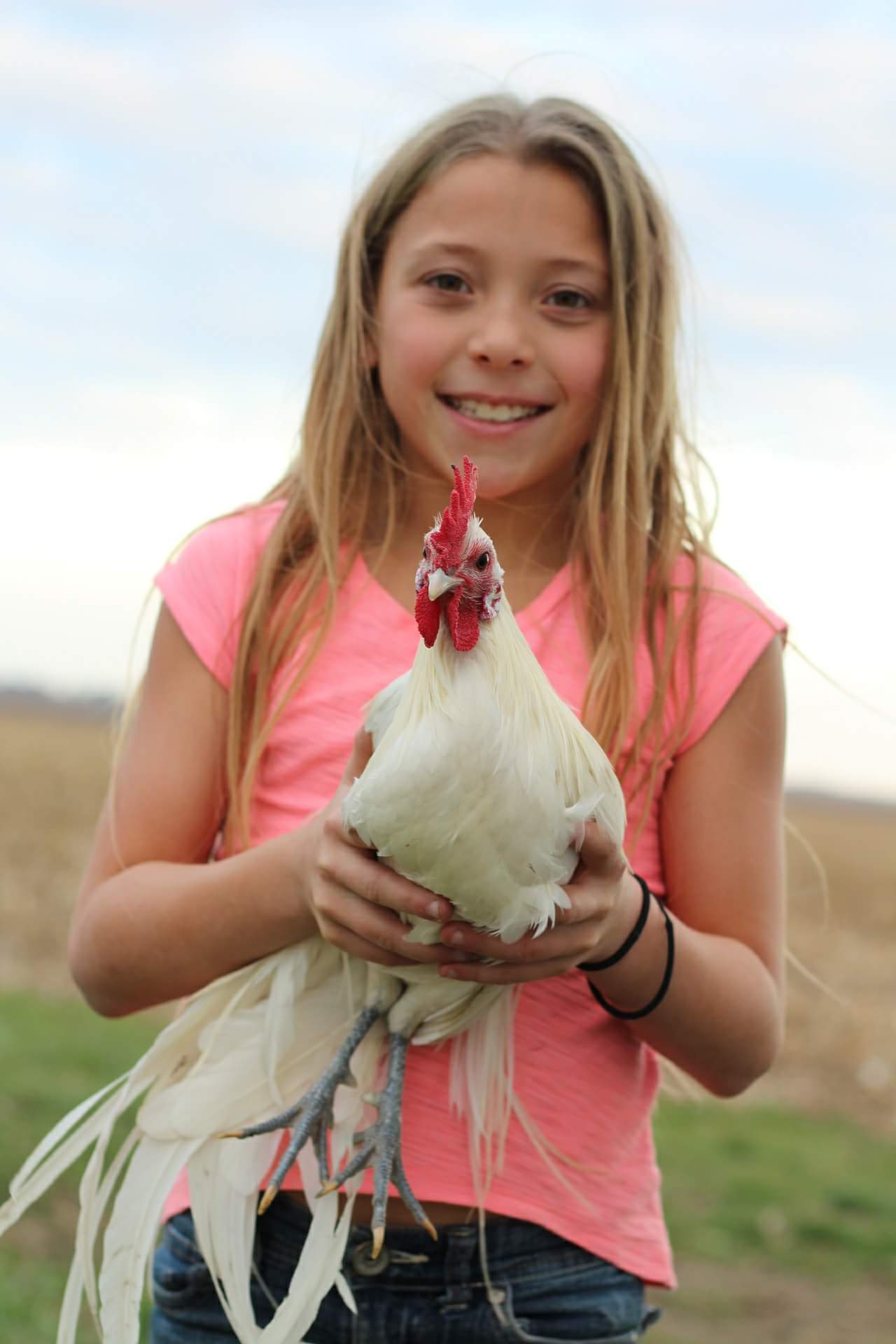
White Phoenix Bantams are small chickens. Cackle’s Phoenix breed spotlight lists Phoenix bantam roosters at about 30 ounces and hens at about 28 ounces.
Do White Phoenix Bantams need special care?
Yes. Longtail roosters need clean, dry, roomy housing to protect their tail feathers. Cackle’s Care and Feeding of Longtail Roosters gives more guidance for managing longtail birds.
Do Phoenix tails really grow over 20 feet long?
True Onagadori chickens can grow extremely long tails because of a gene that limits normal annual molting. Phoenix chickens generally molt more often, so their tails usually do not reach true Onagadori lengths. The Livestock Conservancy notes that Phoenix roosters can still grow impressive 2-to-5-foot sickle feathers and 12-to-18-inch saddle feathers with proper care.
What is the difference between White Phoenix Bantam and White Phoenix Chicken?
White Phoenix Bantams are the miniature bantam version. The White Phoenix Chicken is the standard-size version of the breed. Both share white plumage and longtail ornamental appeal, but bantams stay much smaller.
Does Cackle Hatchery® offer other Phoenix chickens?
Yes. Cackle Hatchery® offers related Phoenix options, including White Phoenix Chicken, Silver Duckwing Phoenix Chicken, Golden Duckwing Phoenix Chicken, Black Breasted Red Phoenix chickens, the Phoenix Bantam Chicken Special, and the Long Tail Surplus Special.
Where can I check White Phoenix Bantam chick availability?
Customers can check Cackle Hatchery’s Chicken Availability Chart for current hatch and shipping timing. Bantam and longtail availability can change during the season, so checking the chart helps customers plan ahead.







Kitty –
White Phoenix Bantam
We purchased 6 unsexed White Phoenix Bantams this spring. These birds are very nice. They are slightly bigger than the Silver Sebright bantams we also bought this spring but still much smaller than our full size birds. The White Phoenix roosters are relatively quiet. I house these bantams with my full size chickens. No special precautions just threw them all in together when they were big enough to leave the brooder and let nature take its course. There was a little hen pecking at first but they all get along just fine now. I do have pretty good size run so they can get away from the bigger birds when the need to.
Julia –
Lovely
I would like to say how happy I am with the one white phoenix bantom I got in the rare breed assortment. He ( hopefully it a male) is super friendly and loves to eat out of my hand, they all do, and there all about 5 weeks now and are taking supervised trips out side to see my adult chickens, one who have one leg, and there all doing great.
Deborah Ohio April 2008 –
Chicks arrived safely!
Just a note to let you know that all is well with my order. I was impressed with the packaging that you had the chicks in. It was very secure and the “nest” kept them well protected from bumps and the cold. This was my first time ordering any type of animal through the mail and I admit I had concerns about this, especially since my order was all bantam chicks. But all peeps were healthy and alert and adjusted to the brooder no problems. Also since this is my first try at chickens I appreciated the care sheet that came with the birds. I would definitely recommend your hatchery to anyone interested in poultry. You handled my small order promptly and exactly as stated on your website.