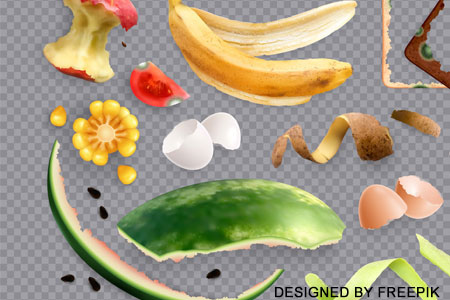
Chickens that otherwise get enough to eat typically won’t eat anything that’s bad for them. Or at least they are unlikely to eat enough to make them sick. And feeding kitchen scraps can be a nutritious way to add variety to your chickens’ diet. But feed scraps only in moderation, and avoid feeding these four kitchen scraps your chickens:
Avocado peels and pits
Chickens can eat avocado flesh in moderate amounts, but other parts of the fruit are toxic. The peels and pits, as well as stems and leaves of avocado trees, contain the natural fungicide persin, which is highly toxic to birds.
Signs of toxicity include labored breathing, increased heart rate, listlessness, or sudden death. That said, to become ill a chicken would have to eat a great many peels or pits — an extremely unlikely scenario. However, to be safe, avoid feeding avocado kitchen scraps to chickens.
Raw Potatoes
Raw potatoes contain starches that don’t digest well. They also contain antinutrients — concentrated in the skin — that inhibit the activity of certain enzymes needed to break down proteins for digestion.
A few scraps of raw potato or raw skins won’t harm your chickens, but too much at once can cause digestive discomfort. Cooked potatoes, on the other hand, are extremely nutritious. So any way you would cook potatoes to serve at your table should be safe for your chickens.
However, the parts of a potato plant that grow above ground contain toxic alkaloids, the most problematic of which is the nerve toxin solanine. This bitter tasting alkaloid is concentrated in and directly under the skin and is not deactivated by cooking.
Eaten by chickens in small amounts, solanine is poorly absorbed and rapidly excreted. But excessive amounts can cause diarrhea, paralysis, and death. Avoid solanine toxicity by peeling off green parts of the skin and flesh, and by removing any sprouting eyes, before feeding your chickens (or yourself) cooked potatoes.
Chocolate
Chocolate contains theobromine and caffeine, both of which are toxic to birds. Even a small amount of chocolate, especially dark chocolate, can cause the heart to stop, or to beat so fast that it stops pumping blood, which means the chicken is at risk of death.
Moldy or Rotting Food
Anything moldy or rotting can cause poisoning by botulism, one of the world’s most potent toxins. Birds become poisoned after pecking at rotting organic matter or drinking contaminated water.
The popular practice of hanging a rotting chunk of meat so maggots will fall into the chicken yard to provide the flock with a source of protein is an excellent way to poison chickens. Feeding chickens a rotting head of unrefrigerated cabbage and letting them scratch in compost are other potential sources of poisoning.
A typical indication of botulism poisoning is finding healthy chickens, sick chickens, and dead chickens all at the same time. Botulism in poultry is easily avoided through careful sanitation of feed and water. And avoid feeding chickens kitchen scraps that contain moldy or rotting food.
Preventing problems caused by feeding chickens inappropriate kitchen scraps is primarily a matter of common sense. Don’t feed your chickens anything you wouldn’t eat yourself, and don’t feed them a whole lot of any single item, except of course for a properly formulated poultry ration.
Frequently Asked Questions
Can chickens eat potatoes?
Yes, chickens can eat potatoes that are cooked and not seasoned. Before cooking the potatoes, remove any green skin and flesh, and any sprouting eyes. And avoid adding those removed parts of the potato to kitchen scraps if you plan on feeding them to your chickens.
Can chickens eat tomatoes?
Yes, chickens can eat fully ripe or over-ripe tomatoes. But don’t feed them green tomatoes (which contain toxic tomatine) or any tomato plant parts, such as stems and leaves (which contain toxic solanine).
Can chickens eat onions?
Onions contain sulfur compounds that break down into thiosulfinates, which in turn decompose into a number of disulfides — oxidizing agents that can cause red blood cells to rupture. However, chickens continually replace their red blood cells, so there’s no need to avoid feeding kitchen scraps that occasionally contain bits of onion.
Can chickens eat garlic?
Garlic, too, contains thiosulfinates, but only in trace amounts. Feeding garlic to chickens usually poses no problem.
Can chickens eat cooked beef?
Yes, chickens can eat cooked beef. But avoid feeding chickens kitchen scraps that contain raw beef, high-fat beef, or spoiled leftovers.
Can chickens eat leftover vegetables?
Yes, chickens can eat leftover vegetables, cooked or raw, including the peelings, provided the leftovers and kitchen scraps are not spoiled.
Can chickens eat carrots?
Yes, chickens can eat carrots, raw or cooked.
What fruit can chickens eat?
Chickens can eat most types of fruit. But avoid feeding apple seeds and pits.
Can chickens eat citrus fruit?
Although many chickens won’t eat citrus, feeding it in small amounts introduces beneficial nutrients to their diet. However, feeding large amounts of citrus can reduce calcium absorption. And acidity from excessive citrus fruits, as well as essential oils in the peels, can irritate digestive.
Can chickens eat watermelon?
Chickens love watermelon. Feeding them watermelon in the summer time is a great way to help them stay hydrated.
Can chickens eat squash?
Yes, chickens can eat squash. In fact they love most squash, raw or cooked, including the seeds. Just cut the squash in half, set it down cut-side up, and watch the fun.
Helpful Links
Feed Options — What Do Chickens Eat?
17 Questions about Feeding Chickens
And that’s today’s news from the Cackle Coop.
Gail Damerow has raised chickens and various other poultry for more than 5 decades and has written numerous books about them, many available from the Cackle Bookstore.