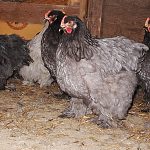
Ammonia is a pungent-smelling gas constantly released by bacteria that decompose chicken droppings. Not only does ammonia smell bad, it’s also a health hazard for you and your chickens. High levels of ammonia in the coop’s air can discourage chickens from eating—affecting the growth rate of young birds and the production of laying hens—and can […]
Continue Reading

Training your chickens to come when you call them can be handy in a number of situations. You might use the training to gather your flock into the coop when you are ready to close it up for the night. You could call free range chickens together to protect them from a roaming dog or […]
Continue Reading
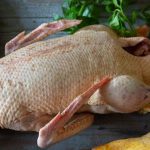
A century ago the goose was considered among the most desirable species of the farm yard, and while many of its traits are still apparent to those who keep them, their popularity decreased as breeding practices for marketability of poultry advanced. Why raise a goose that will be in its prime for cooking in about […]
Continue Reading
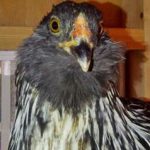
With their large, hawk-like eyes, flattish head profile, downward turning beaks and striking feather patterns, Easter Egger chickens are often described as looking like hawks. Easter Eggers are related to Ameraucanas, which also have a somewhat hawk-like appearance. Easter Eggers are not considered to be a true breed, because they lack uniform conformation and plumage […]
Continue Reading
A B C D E F G H I J K L M N O P Q R S T U V W X Y Z – A – Addled A rotten or otherwise inedible egg. Or an egg in which the embryo died during early incubation. Age of lay The age at which a […]
Continue Reading
Download or Print Cackle Hatchery’s Guide to the Care of Baby Chicks (Pamphlet) Download of Print “The Care of Baby Chicks” eBook Cackle’s Safe Handling of Poultry Poster (Salmonella Safety) Table of Contents Arrival First Day Instructions Heating Feed Water Special Situations After the Chicks Arrive Litter Picking After 4 Weeks Baby Turkeys & Peafowl […]
Continue Reading
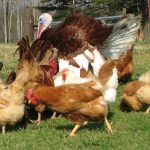
Conventional wisdom says you should never keep turkeys and chickens together, because turkeys are susceptible to blackhead, a disease with devastating consequences. However, lots of backyarders raise chickens and turkeys together without a problem, and with some benefits. Here are three good reasons to keep turkeys with chickens, and two reasons not to. Thumbs Up […]
Continue Reading
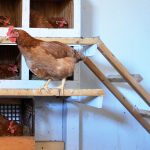
Furnishing the type of environment your laying hens seek when they are ready to lay an egg will ensure they lay in the location of your choice. With proper nest boxes, eggs will be laid where you can easily find them, and where they will remain clean and unbroken. Here are ten features hens look […]
Continue Reading
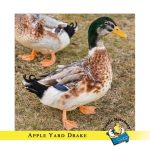
Weekly Special Silver Appleyard Duck Not Sexed – Sold as Baby Ducklings Only – No Sexing Available
Must ship within the next 14 days. Weekly specials can be shipped together. Any other orders other than weekly specials needs to be a separate order.
Continue Reading
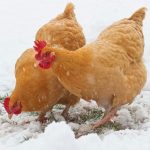
Chickens have a naturally high body temperature, averaging around 106°F, which allows them to remain active despite cold weather. As the temperature drops, a chicken’s metabolism speeds up to keep the bird warm. At the same time, the flow of blood to a chicken’s legs decreases to minimize the escape of body heat from […]
Continue Reading