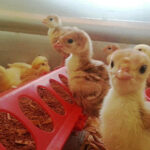
Starve-out occurs when turkey poults (baby turkeys) fail to eat. As a result they literally starve to death. But, as dire as it sounds, preventing starve-out is not difficult with proper poult management. Reasons for Starve-Out Poults learn how to eat from the mama hen. Since chicks are quicker learners than poults, “I recommend including […]
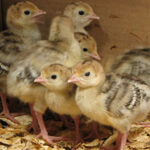
More than chicks, turkey poults (baby turkeys) can be tricky to brood. Even though they’re bigger than chicks, they’re much more delicate. They are extremely sensitive to temperature changes, dampness, and drafts. And they have a lesser instinct for danger. “Let’s face it,” says Jeff Smith of Cackle Hatchery®, “turkey poults are not the brightest.” […]
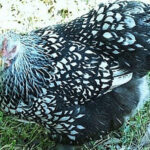
The stunning single laced plumage pattern of both silver laced and golden laced Cochins is genetically one of the most difficult patterns to perfect. That’s because the single laced plumage pattern involves a number of different genes that must influence each other in specific ways, some of which remain unknown. In simplified form, here’s how […]
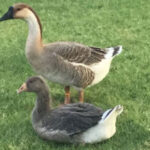
Backyard geese are nearly as majestic as swans, but are a whole lot less expensive to buy and to raise. Not only are they aesthetically pleasing, but they also serve many useful purposes. Here are 12 wonderful reasons to keep geese in your backyard. 1. Goose meat is delectable Most breeds of domestic geese originally […]
Enjoy your free downloadable gift for updating your dealer listing with us here at Cackle Hatchery! Click Here to Download As an added bonus after downloading feel free to print any Cackle Hatchery sales sheets for poultry you may need instore: PRINTABLE CHICK SALES SHEETS Tips for printing: Make sure your printer settings are set […]
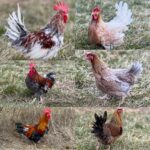
Join us to benefit youth poultry groups! Every year during the chicken festival, we auction off chickens with proceeds going to organized youth poultry groups. This is a traditional silent auction with bid sheets. Come and browse the beautiful birds that we are auctioning off. Be a part of the bidding for a good cause. […]