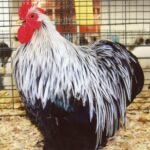
- Birchen Cochin Bantam – Sold as Baby Chicks Only
Minimums – Not Sexed = 5
Female= 1
Male=1
Total of 5 birds to ship
Seasonal/Shipped Early Feb thru Mid August.
Limit of 5 on Sexed Bantams.
Continue Reading
Minimums – Not Sexed = 5
Female= 1
Male=1
Total of 5 birds to ship
Seasonal/Shipped Early Feb thru Mid August.
Limit of 5 on Sexed Bantams.
Continue Reading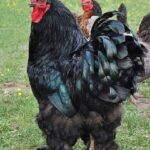
Minimums – Not Sexed = 3
Female= 3
Male=1
Total of 3 birds to ship
Seasonal/Shipped Mid Feb thru Mid August
Limit of 10 on Sexed Cochins
Continue Reading
The more chickens you have, the more difficult it might be to come up with a name for each one. Some chicken names are simply traditional human names. Others are puns of various sorts. Most flock keepers prefer female names for hens and male names for roosters. Many, however, mix and match or choose gender-neutral […]
Continue Reading
Chickens can swim, and some actually enjoy it. Others, not so much. That’s because a chicken is not as well equipped for swimming as a duck. But most chickens will at least wade into water to cool themselves down on a hot summer day. If the water is deep enough, a chicken might even paddle […]
Continue Reading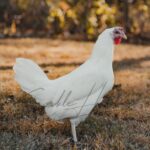
White Leghorn Started Pullet – 15 to 22 weeks old female
Shipped Year Round. No Pick up Orders! Started Pullets are 46.00 ea. Shipping charges are non refundable. MAXIMUM OF 2 PER ORDER ONLY NEXT AVAILABLE SHIP DATE IS IN September Continue ReadingEnjoy your free downloadable gift for updating your dealer listing with us here at Cackle Hatchery! Click Here to Download As an added bonus after downloading feel free to print any Cackle Hatchery sales sheets for poultry you may need instore: PRINTABLE CHICK SALES SHEETS Tips for printing: Make sure your printer settings are set […]
Continue Reading
A child’s initial experience with chickens is often the most memorable. To ensure that the youngster’s introduction to chickens is pleasant and fun, consider these qualities when choosing the best first chickens for kids: They are calm in disposition They are friendly with people The breed is appropriate for small hands The chickens enjoy hugs […]
Continue Reading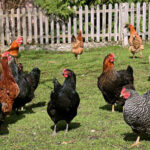
For exhibition purposes, large chicken breeds recognized by the American Poultry Association (APA) are organized into six classes. Most of the classes represent the geographic region where the breeds originated or were developed. Knowing a chicken’s APA class lets you infer a number of things about the breed, including temperament, laying ability, climate tolerance, and […]
Continue Reading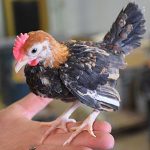
First, let’s establish that “bantam” is not a specific chicken breed. Rather, the word refers to a collection of breeds that are smaller than the usual egg-and-meat chicken breeds. A typical bantam weighs no more than two pounds, leading practical chicken keepers to wonder, “What’s the point?” Bantams don’t lay exceptionally well, and the eggs […]
Continue Reading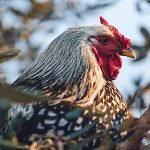
Chickens, including bantams, tend to do better in cold weather than in hot weather. However, some bantams tolerate the cold better than others. Certain features — such as dense plumage, leg feathering, beards, and small combs — contribute to a cold hardiness. Often the country of origin provides a clue to a breed’s climate tolerance. […]
Continue Reading


