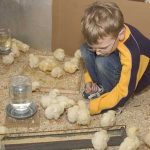
Chickens of differing ages have differing nutritional needs. Prepackaged poultry feed options therefore include rations for baby chicks, growing chicks, layers, and breeders. Which one is right for your chickens depends on their age and your purpose in raising them. Starter Ration Baby chicks should be fed a starter ration, which contains the high amount […]
Continue Reading
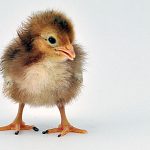
Cannibalism is the disagreeable habit chickens have of pecking one another until they draw blood. And then pecking some more. Chickens may engage in any one of six forms of cannibalism, varying by age and gender. Toe Picking — Chicks Toe picking is a common problem among chicks. It can occur in a brooder where […]
Continue Reading
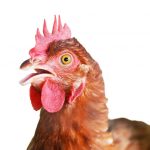
Blindness is not a common condition among chickens. But when it does occur, it can be disconcerting for both the chicken and the human handler. Aside from injury resulting from a poke in the eye, here are three main reasons why a chicken goes blind. Marek’s Disease Marek’s disease is a cancer in chickens caused […]
Continue Reading
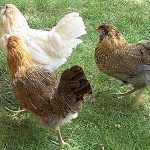
The best number of chickens for your backyard flock relates to both your goal in having chickens and the type of environment you can provide. Here are four ways to determine the best number of chickens for your flock. Local Regulations First find out how many chickens you can legally have. Local regulations, such as […]
Continue Reading
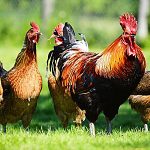
Everyone uses the word “flock” when referring to chickens. But what is a flock? And how many chickens make a flock? Definition of Flock According to Merriam-Webster, a flock is a group of animals (such as birds or sheep) assembled or herded together. The dictionary that came on my computer further refines the definition as […]
Continue Reading
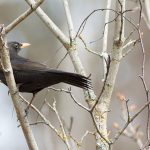
Chickens and other poultry are birds, right? So logically you’d think it wouldn’t be a problem for your flock to mingle with wild birds. But here are three reasons why chickens and wild birds shouldn’t mix. Fowl Mites The northern fowl mite (Ornithonyssus sylviarum) is the most serious external parasite of chickens. It is the […]
Continue Reading
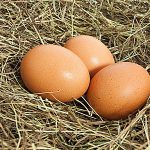
The final step of an egg’s formation inside a hen is the application of an invisible coating. We chicken keepers call it bloom, but technically it’s the cuticle. Bloom consists primarily of 80 to 95% proteins. It also contains polysaccharides (complex carbohydrates that dissolve into simple sugars) and lipids (insoluble oily or greasy compounds). Lubrication […]
Continue Reading
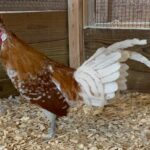
Chamois Spangled Spitzhauben – Sold as Baby Chicks Only – No Sexing Available
Minimums –
Not Sexed = 3
Total of 3 birds to ship
Seasonal/Shipped Mid Feb thru Mid August.
Maximum of 10 per order
Continue Reading
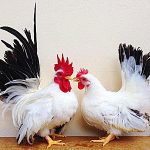
Japanese bantams bred for exhibition must have short legs, according to the Standard of Perfection. Unfortunately this trait comes with a dominant lethal gene called creeper (Cp). The creeper gene causes embryos to die during incubation, resulting in a reduced hatch rate for Japanese bantam eggs. Here’s how the lethal creeper gene works: Creeper Genetics […]
Continue Reading
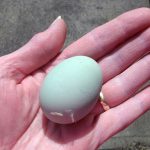
Developing chickens to lay eggs with consistently blue shells requires careful consideration and attention to the breeding. Even though blue shell color is a dominant trait, developing the best blue egg layers is always a challenge. For the 2022 chick season here at Cackle Hatchery® we prepared a ranked list of the best blue colored […]
Continue Reading