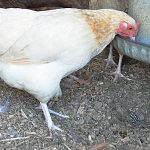
How much feed a chicken eats each week varies with the chicken’s age, breed, and strain, degree of activity, and condition of health. Other factors include the ration’s palatability and texture, and its energy and protein content. In cold weather, a chicken stays warm by eating more than it does during the heat of […]
Continue Reading
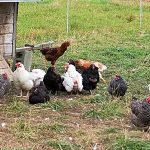
Chickens that stop roosting in their coop after having been trained to go into the coop at night likely have a good reason for not wanting to return. Your job then becomes determining what the reason is and taking corrective measures. Here are the seven most common reasons chickens become reluctant to go home to […]
Continue Reading
Download or Print Cackle Hatchery’s Guide to the Care of Baby Chicks (Pamphlet) Download of Print “The Care of Baby Chicks” eBook Cackle’s Safe Handling of Poultry Poster (Salmonella Safety) Table of Contents Arrival First Day Instructions Heating Feed Water Special Situations After the Chicks Arrive Litter Picking After 4 Weeks Baby Turkeys & Peafowl […]
Continue Reading
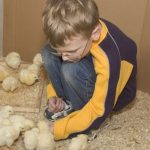
So, you finally did it. You went out and got chicks®. Now what? Here are eight facts about baby chicks that commonly surprise first time owners. Brooding baby poultry of any type generates a lot of fine dust, so locate your brooder where dust won’t be a problem. Your living room or guest room, for […]
Continue Reading
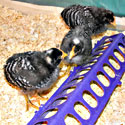
When you raise baby chickens in a brooder you must gradually change the brooding facilities as the chicks grow. After about the first two weeks of brooding, start making necessary changes to the following features: Adequate space for the number of birds Initially chicks don’t need much room, because (like other babies) they spend much […]
Continue Reading