
FREE SHIPPING on all supply order totals exceeding $25.00.
Item #W43
Continue Reading
FREE SHIPPING on all supply order totals exceeding $25.00.
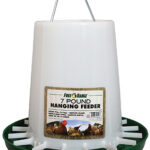
7 Pound Hanging Feeder
Item# F02
Continue Reading
FREE SHIPPING on all supply order totals exceeding $25.00.
Additional shipping fee for Puerto Rico, Virgin Islands, Hawaii and Alaska.
Item #F03
Continue Reading
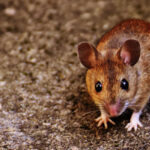
Mice in the chicken coop can potentially spread diseases and parasites to the flock. And they will increase the cost of keeping chickens by eating that expensive chicken feed. One mouse can eat about one pound of chicken feed in one year. And think about this — mice reproduce fast! Each female mouse weans 30 […]
Continue Reading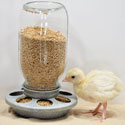
Newly hatched poultry come equipped with yolk reserves that provide baby birds with nutrients for many hours after they hatch. It’s nature’s way of allowing the early hatchers to remain in the nest until the whole brood has hatched. Hatchery chicks shipped by mail take advantage of these yolk reserves during the day or two […]
Continue Reading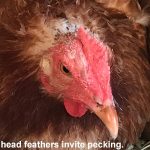
Cannibalism appears in several forms. But they all start in the same basic way. One bird is attracted to peck another. That, in turn, attracts others to join in. Many different conditions can cause cannibalism in chickens. Cannibalism Triggers The following conditions, alone or in combination, may trigger cannibalism: Chicks raised in a brooder, rather […]
Continue Reading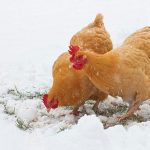
“It’s time to prepare your chicken coop for winter,” reminds Jeff Smith of Cackle Hachery®. “Since there is a current shortage of some items, make a list of materials you need and buy them now. Any repairs need to be done before weather comes in.” The two biggest winterizing issues to keep in mind are […]
Continue Reading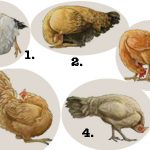
Wry neck is a neurological condition in which a chicken’s head turns to one side or to some other abnormal position. Also called crookneck, the technical word is torticollis, from the Latin words torquere, meaning “to twist,” and collum, meaning “neck.” Wry neck in chickens takes on different forms, including these (illustrated) five: Head tilted […]
Continue Reading
Preventing heat stress in your backyard chicken flock involves a combination of commonsense management measures. The following seven simple strategies will help your chickens stay cool in summer. Heat Tolerant Breeds If you live in a climate that’s warm year-around, you might consider keeping a heat tolerant breed. Some chicken breeds naturally tolerate warm weather […]
Continue Reading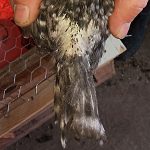
A chick’s baby feathers are delicate and vulnerable while the bird grows a complete set of adult plumage. Until then, unsightly feather loss in baby chicks may be caused by rubbing or picking. Sequential Molting When a chick reaches the age of three and four weeks, its body feathers grow and fill out. By the […]
Continue Reading


