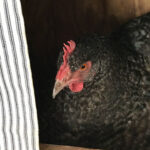
A pullet’s nutritional needs vary with her stage of growth. A pullet that is nutritionally deficient, and therefore too thin at maturity, won’t be able to consume enough dietary protein to both lay eggs and continue growing. As a result, her first eggs will be delayed, and they will be smaller and fewer than normal. […]
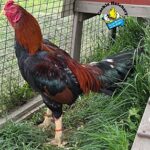
The handsome and robust Aseel chicken is known for being friendly with humans but aggressive toward other chickens, including other Aseels. The hens, although not especially prolific layers, are excellent broodies and fiercely protective mothers. This slow growing breed is especially flavorful when raised for meat. Aseel chickens are hardy, heat tolerant, and super active […]
Chickens are seasonal layers. Homegrown eggs therefore don’t arrive at the same rate year around. Sometimes you get too many. Sometimes not enough. Here are seven ways to store your farm fresh eggs, from countertop storage to dehydration. By extending their shelf-life, you can save them for when your hens take a vacation from laying. […]
Waiting for a chicken to start laying eggs can seem like an eternity. The blessed event may take anywhere from four months to eight months, depending on the chicken’s breed. However, as a hen approaches laying age, she begins to show certain signs that will tell you eggs are on the way. Here’s a guide […]
Most backyard chickens do not lay an egg every day of the year. The average mature, healthy hen takes 25 to 26 hours to produce one egg. So a hen that lays at 6:00 in the morning today will likely lay between 7:00 and 8:00 tomorrow morning. Since a hen normally doesn’t lay after dark, […]
I want to share some wins that my children have made in the Poultry Show circuit with their bantam Dominiques purchased from Cackle Hatchery® in 2025. Cuteness Factor At the 2025 Missouri State Fair, our 5-year-old son Everett showed his cockerel Dinosaur. It was his first ever Youth Exhibition Poultry Association Showmanship event. He didn’t […]
Train your hens to use a nest box when they first start producing eggs and they are less likely to lay eggs on the coop floor. Once they start laying on the floor, getting them to stop can be difficult. Here’s how to train your hens to lay eggs in a nest, not on the […]
The terms “sex link” and “autosex” both refer to chicks whose gender is obvious as soon as they hatch. But the two terms are not synonymous. Sex link chickens, or sex links, result from mating a hen and a rooster of two different breeds. Autosex chickens are the offspring of a hen and a rooster […]
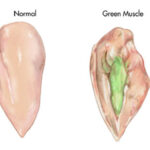
First, let’s dispense with a few myths. Green muscle disease is not a disease. It is a disorder involving muscle degeneration. Second, among chickens it affects only Cornish-cross broilers, but not other types of meat chickens. Third, it is not new, having been identified since 1968. And fourth, green muscle is highly preventable. What is […]