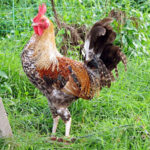
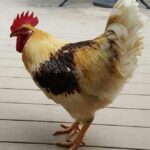
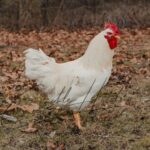
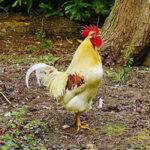
The term “standard breed” is often used in referring to large chickens, as distinct from bantam breeds. So what, exactly, is a standard breed? A standard poultry breed is any breed that conforms to its ideal description, as formalized (or standardized) by a central organization and compiled into a periodically updated book. The book […]
Testosterone is generally considered to be a male hormone. But hens also produce testosterone. In fact, without testosterone hens wouldn’t lay eggs. Here’s a short version of how testosterone works in chickens. Testosterone in Roosters The best known androgen steroid, testosterone is responsible for why a rooster crows but a hen doesn’t. Testosterone is also […]
A pullet’s nutritional needs vary with her stage of growth. A pullet that is nutritionally deficient, and therefore too thin at maturity, won’t be able to consume enough dietary protein to both lay eggs and continue growing. As a result, her first eggs will be delayed, and they will be smaller and fewer than normal. […]
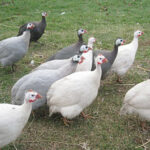
Guinea fowl are terrific foragers that wander around gobbling up ticks and other harmful insects. They are also wonderful watchdogs, noisily sounding an alarm whenever they detect something amiss. If you’re thinking of adding these unusual birds to your flock, the first thing to understand when selecting guinea fowl is the difference between African guineas […]
Bantam chickens make perfect starter birds for beginning poultry keepers, especially young ones. Here are 10 reasons why bantams are the best chickens for kids. Bantams Are Small Pint-size bantams rarely weigh more than two pounds. Because of their smaller size and lighter weight, these diminutive chickens can be less intimidating for kids than some […]