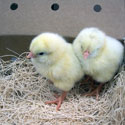
When those fuzzy little chicks, ducklings, or goslings arrive in the mail, the first thing you want to do is pick them up and cuddle them. Young children, especially, can’t resist snuggling those cute little fluff balls. The more time you spend with your baby poultry, the friendlier they will become. However, among the important […]
Continue Reading
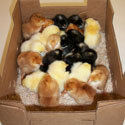
Chicks shipped by mail require a little extra TLC compared to chicks you might hatch at home. Think about how you feel after a long journey — dehydrated, exhausted, probably a bit cranky. What you look forward to most is a long drink and a warm bed. Baby chicks are no different. They suffer the […]
Continue Reading
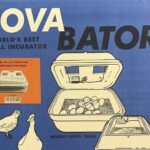
FREE SHIPPING on all supply order totals exceeding $25.00.
Item #I13
PLEASE ALLOW AT LEAST 30 DAYS FOR SHIPPING
Continue Reading
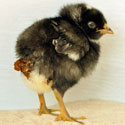
Pasty Butt — also known as pasting, paste up, or sticky bottom — is a common condition in newly hatched chicks. It occurs when soft droppings stick to a chick’s vent, then harden and seal the vent shut. If the condition is not corrected, the affected chick may die. Although pasting may be caused by […]
Continue Reading
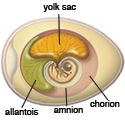
The hatching of a chick out of an egg — whether laid by a chicken, duck, goose, or other bird — is a remarkable process. Each chick enters the world with a built-in food supply that can sustain it for up to three days after the bird hatches. How does this happen? Starting on the […]
Continue Reading
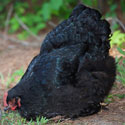
Some chicken keepers deworm their chickens too often. Others don’t deworm often enough. How often your chickens need deworming, or whether they need it at all, depends on numerous factors. These factors include your climate, how your flock is housed and managed, the kind of worms that are present in your chickens’ environment, and the […]
Continue Reading
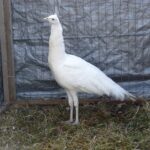
Pair of White Peafowl
1047.50 Price Includes Shipping
Item# 1308
Continue Reading
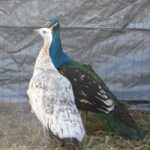
Pair of Black Shoulder Peafowl
500.00 Price Includes Shipping
Out of Stock
Item# 1317
Continue Reading
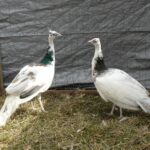
Pair of India Blue Silver Pied Peafowl
500.00 Price Includes Shipping
Out of Stock
Item# 1314
Continue Reading
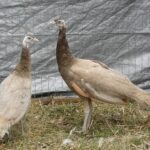
Pair of Cameo Peafowl
1097.50 Price Includes Shipping
Item# 1315
Continue Reading