
Pair of Buford Bronze Peafowl
550.00 Price Includes Shipping
Out of Stock
Item# 1316
Continue Reading
Pair of Buford Bronze Peafowl
550.00 Price Includes Shipping
Out of Stock
Item# 1316
Continue Reading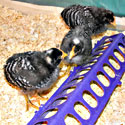
When you raise baby chickens in a brooder you must gradually change the brooding facilities as the chicks grow. After about the first two weeks of brooding, start making necessary changes to the following features: Adequate space for the number of birds Initially chicks don’t need much room, because (like other babies) they spend much […]
Continue Reading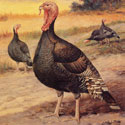
The optimal mating ratio for chickens, turkeys, and other poultry is not the same ratio in which they typically hatch. Most poultry naturally hatch approximately 50 percent females and 50 percent males. If your goal is to obtain fertile eggs for hatching, that ratio will result in males fighting excessively with each other, and when […]
Continue Reading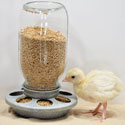
Newly hatched poultry come equipped with yolk reserves that provide baby birds with nutrients for many hours after they hatch. It’s nature’s way of allowing the early hatchers to remain in the nest until the whole brood has hatched. Hatchery chicks shipped by mail take advantage of these yolk reserves during the day or two […]
Continue Reading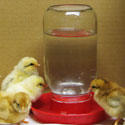
Baby chicks must have access to clean, fresh water at all times. During the first few days after they hatch, a one-quart waterer will furnish enough water for up to 25 chicks raised in a brooder. An inexpensive watering option is a screw-on plastic base that fits a one-quart narrow mouth jar. Another option is […]
Continue Reading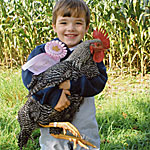
Showing poultry is fun, interesting and educational. It’s also a great way to meet people of all ages from all walks of life who share a common interest. But it can be stressful, especially for the first time exhibitor. It can also be stressful for the birds. In his book Showing Poultry, veteran poultry judge […]
Continue Reading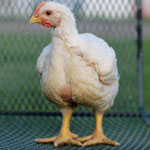
As if you needed one more reason to grow your own chicken meat, here it is — woody breast, defined as a hardening of breast muscle, resulting in stiff wood-like fibers that make the breast meat difficult to chew. Woody breast is one of three breast meat myopathies (muscle diseases) that plague the poultry industry, […]
Continue Reading
International Heritage Breeds Week is celebrated each year during the third week in May. So what exactly are heritage poultry breeds? According to The Livestock Conservancy, heritage chicken and turkey breeds share the following characteristics: They can reproduce through natural mating. They have the genetic ability to live long and vigorous lives. They […]
Continue Reading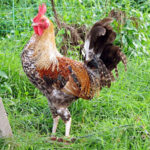
The term “standard breed” is often used in referring to large chickens, as distinct from bantam breeds. So what, exactly, is a standard breed? A standard poultry breed is any breed that conforms to its ideal description, as formalized (or standardized) by a central organization and compiled into a periodically updated book. The book […]
Continue Reading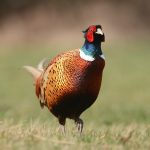
Spring is an exciting time at Cackle Hatchery and we’re busy getting ready for the season to arrive. Pheasants and chukar are some of our biggest sellers, with chicks beginning to hatch and prepare for shipping in May. As we get ready for the warmer weather to arrive, let’s look at each species. […]
Continue Reading


