Description
Gold Phoenix Bantam Chicken
Breed Overview and Origin
The Gold Phoenix Bantam chicken, also known as the Golden Duckwing Phoenix Bantam, is a miniature longtail chicken with elegant plumage, a proud show-bird stance, and impressive tail development. If you want a small ornamental chicken with a dramatic look, this bantam variety brings plenty of style to the flock.
Phoenix chickens belong to the longtail group, which means breeders have selected them for especially long, flowing tail feathers. Cackle Hatchery’s article Breed Spotlight: Lovely Longtail Chickens explains that longtail chickens include several breeds developed for unusually long tails, including Phoenix, Yokohama, Cubalaya, and Sumatra.
The Phoenix breed has roots in long-tailed Japanese fowl and later European development. The Livestock Conservancy explains that American breeders maintained the Phoenix from long-tailed lines and that the American Poultry Association recognized the Golden variety in 1983.
Cackle Hatchery® offers Gold Phoenix Bantams for customers who want a small, ornamental, longtail show bird. This variety works best for poultry keepers who enjoy fancy bantams, exhibition chickens, and the extra care that comes with protecting long tail feathers.
Appearance and Characteristics
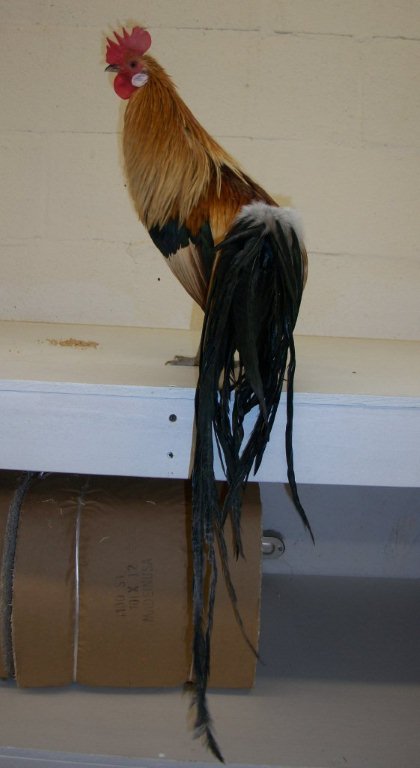
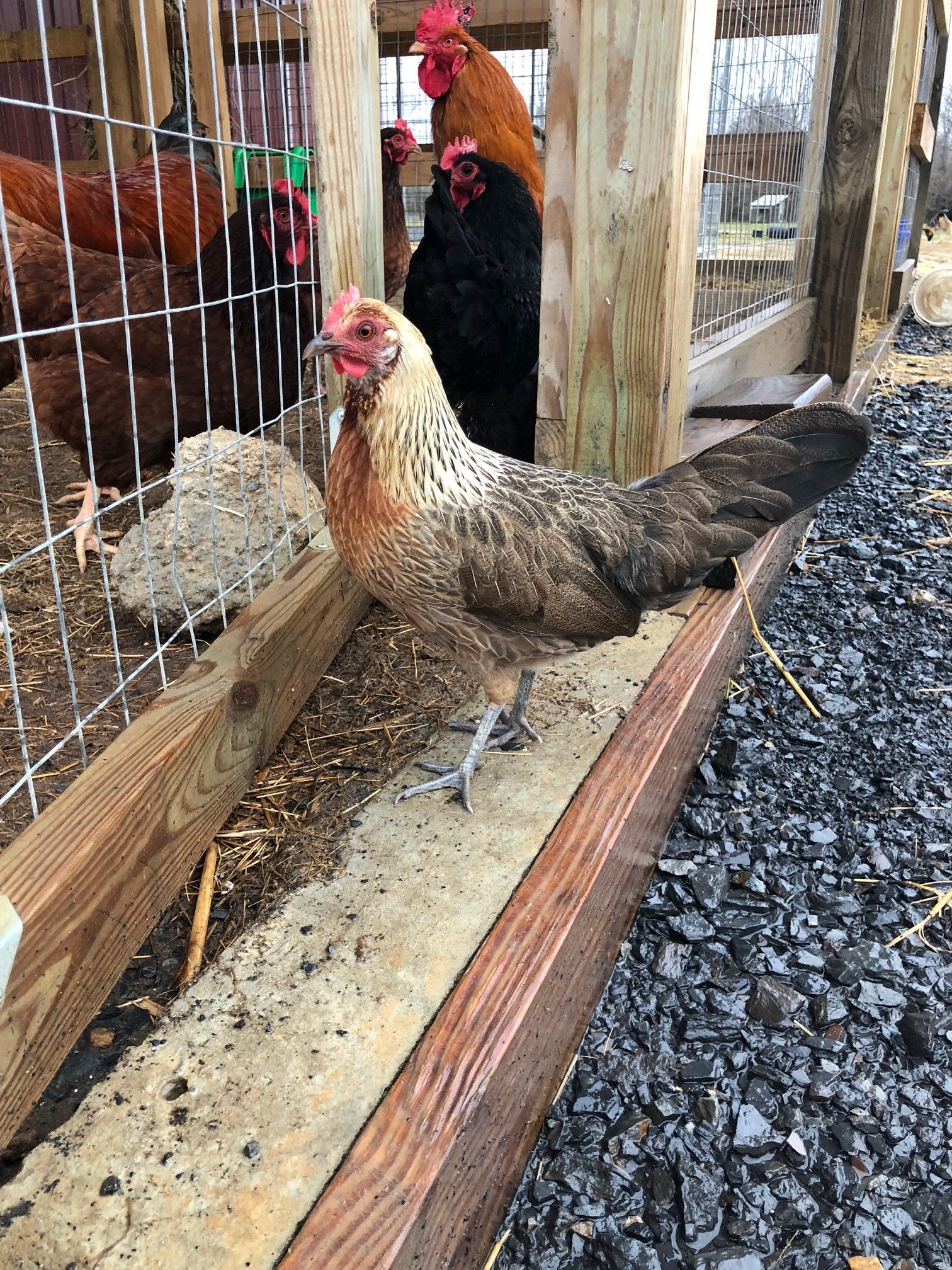
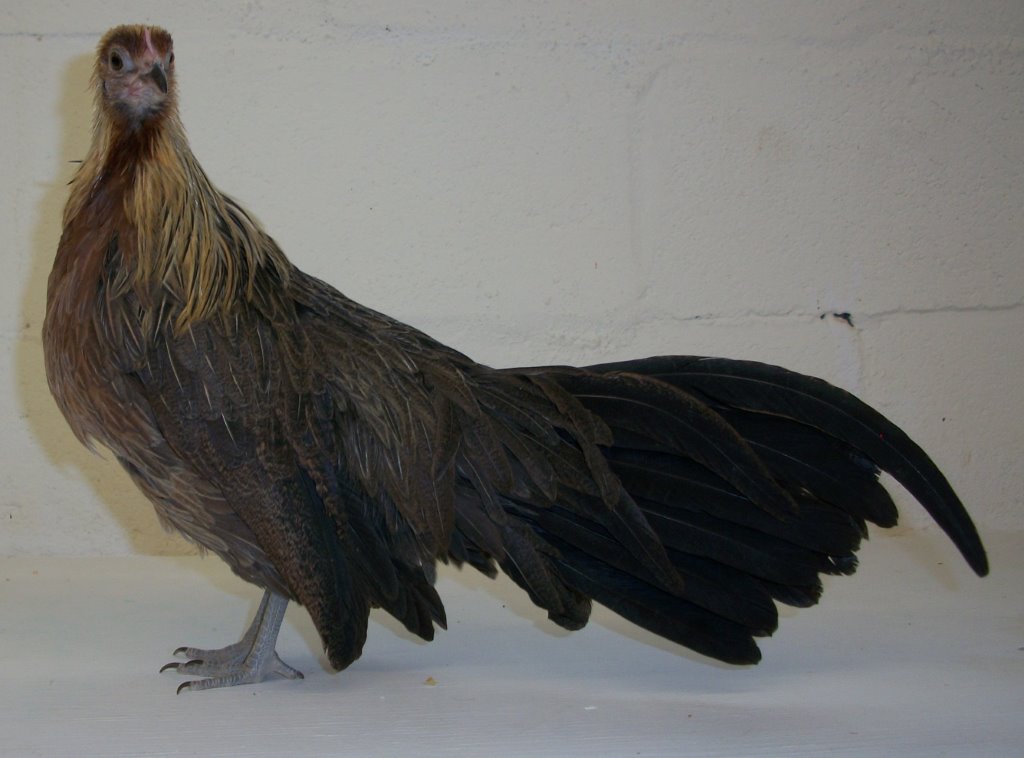
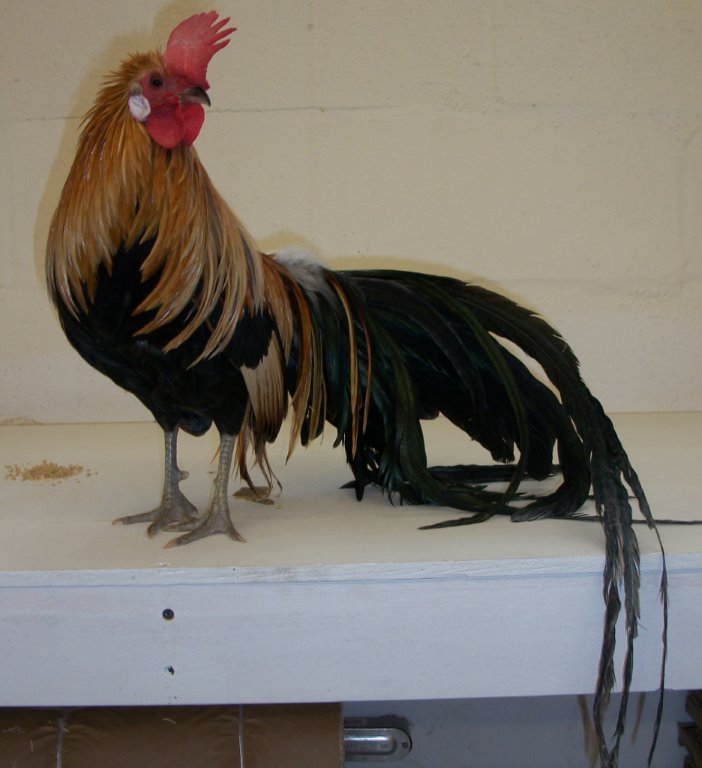
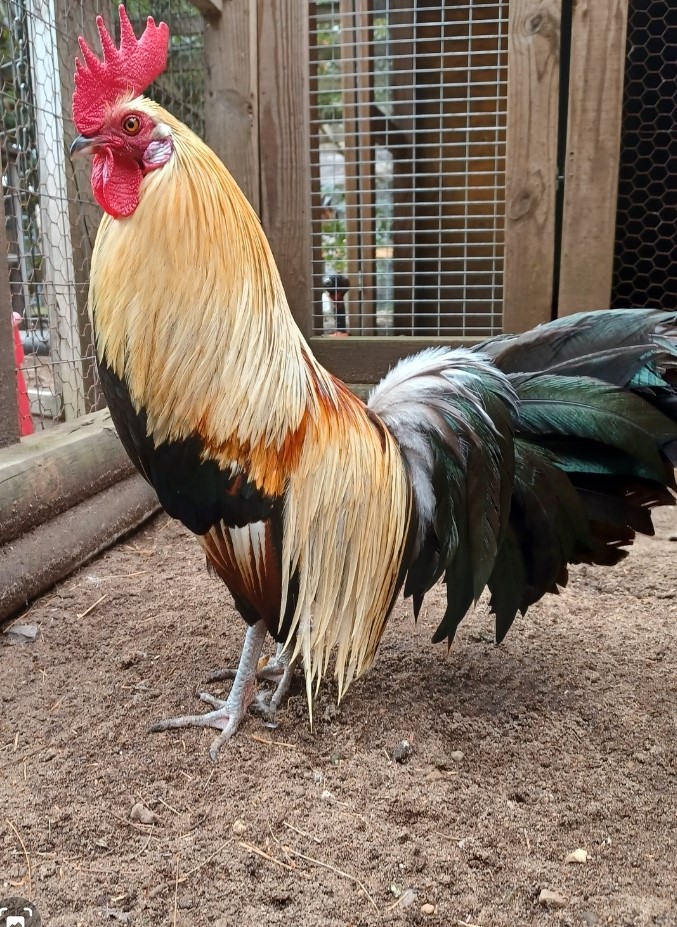
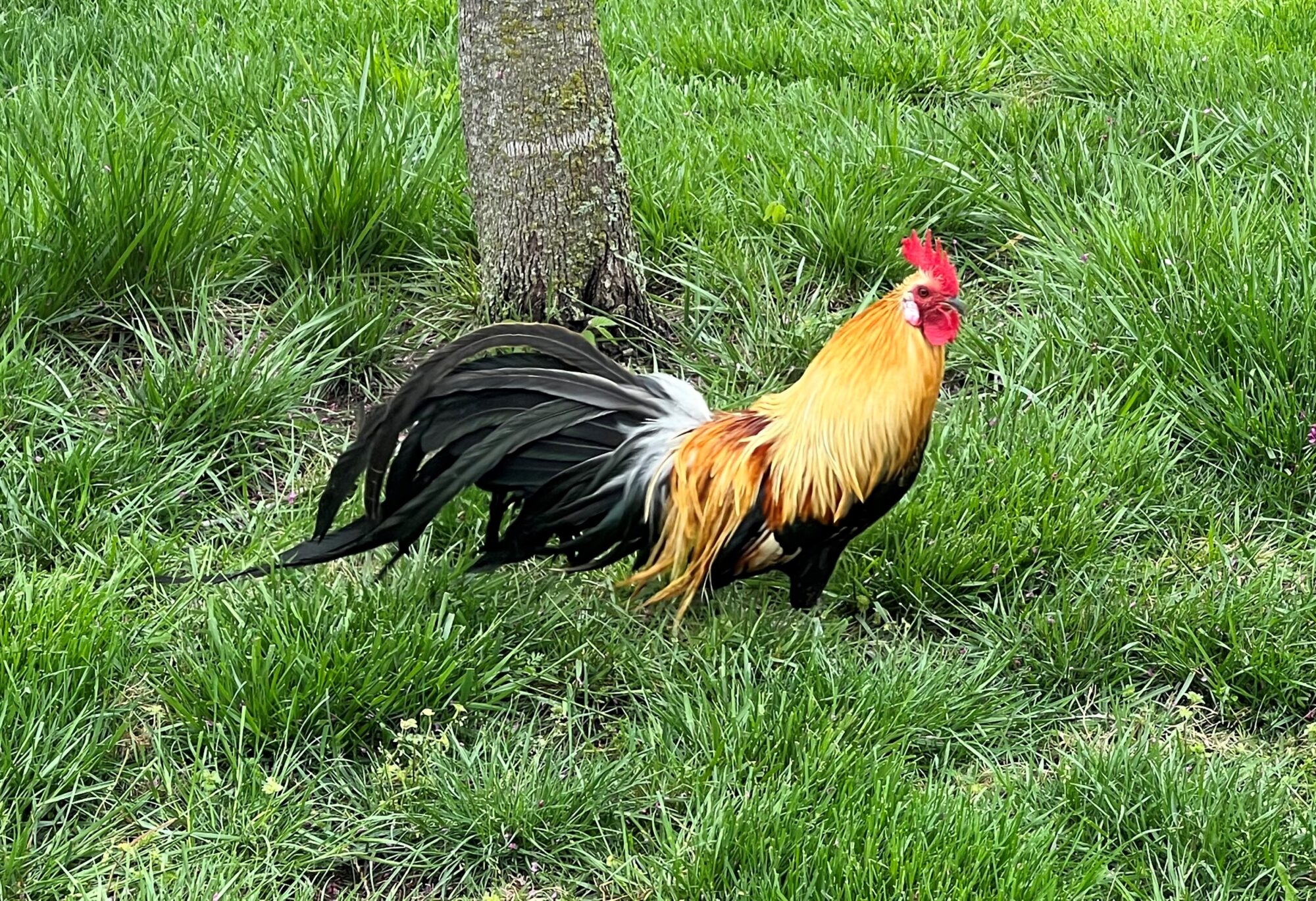
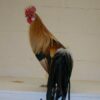
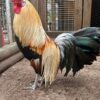
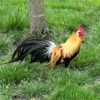
Gold Phoenix Bantams have some of the most eye-catching plumage in the bantam world. Roosters show golden shoulder and saddle color, a black breast, and long tail feathers that can create a flowing, graceful look. Hens carry more modest coloring, but they still offer the refined shape and ornamental style that make Phoenix bantams popular with longtail enthusiasts.
The long tail is the main attraction. However, it also changes how you manage the bird. Cackle Hatchery’s article Care and Feeding of Longtail Roosters explains that longtail chickens require special care to maintain the beauty of their tail feathers.
For everyday care, Gold Phoenix Bantams do best in clean, dry, roomy housing. Mud, tight pens, rough wire, and crowded roosts can damage tail feathers. Because of that, customers who want the best feather development should plan housing around the tail, not just the bird.
Gold Phoenix Bantam vs Other Phoenix Chickens: How to Choose
Gold Phoenix Bantams share the same longtail character as other Phoenix varieties, but their golden duckwing color gives them a warm, classic show look.
Choose Gold Phoenix Bantam if you want a miniature longtail chicken with golden shoulder and saddle color, a black breast, and exhibition appeal.
Choose the standard-size Golden Duckwing Phoenix Chicken if you like the same general color pattern but want the larger version of the breed. Cackle lists the standard Golden Duckwing Phoenix among its rare chicken breeds and describes it as a long-tailed ornamental chicken.
Choose Silver Duckwing Phoenix Bantams if you prefer a cooler silver-and-black color pattern in a bantam longtail bird. Cackle lists Silver Duckwing Phoenix Bantams as baby chicks only, with no sexing available and seasonal shipping from early February through mid-August.
Choose Black Breasted Red Phoenix chickens if you prefer a standard-size Phoenix with classic black-breasted red coloring. Cackle lists this variety among its rare ornamental longtail chickens.
For customers who enjoy variety, the Phoenix Bantam Chicken Special offers a hatchery-choice bantam Phoenix assortment. The Long Tail Surplus Special may also include Phoenix, Yokohama, and other longtail varieties depending on what hatches.
Egg Production and Utility
Gold Phoenix Bantams serve mainly as ornamental and exhibition chickens. Customers should choose them for beauty, longtail character, and show appeal rather than heavy egg production.
Phoenix bantam hens may lay small light-colored or tinted eggs, but they will not match production-focused laying breeds. Egg production can vary with age, season, daylight, nutrition, housing, and flock management. The Livestock Conservancy describes Phoenix chickens as rare longtail birds with exhibition value, and Cackle’s Phoenix breed spotlight emphasizes the need to provide enough space to protect long tail feathers.
Because these are bantams, they also do not serve as meat birds. Their value comes from ornamental beauty, breed history, longtail type, and the enjoyment of keeping a small show-quality bird.
Temperament and Suitability
Gold Phoenix Bantams are active, alert, and ornamental. Many keepers enjoy them because they bring movement, color, and elegance to a flock. However, they require more thoughtful management than ordinary backyard layers.
A secure pen works better than rough free-range conditions, especially for roosters with long tails. If the birds range through mud, brush, or tight fencing, their feathers can break or soil quickly. Clean bedding, dry ground, spacious pens, and smooth roost areas help preserve their appearance.
This variety can work well for:
- Poultry exhibitors
- Bantam hobby flocks
- Longtail chicken enthusiasts
- 4-H and youth poultry projects with guidance
- Customers who want ornamental chickens
- Keepers who can provide clean, dry, tail-friendly housing
Choose a different breed if you mainly want high egg production, meat, or a low-maintenance free-range bird. Gold Phoenix Bantams look their best when you manage them with feather care in mind.
Is the Gold Phoenix Bantam Chicken Right for Your Flock?
Choose Gold Phoenix Bantam chickens if you want:
- A miniature longtail chicken
- A Golden Duckwing Phoenix Bantam
- A bantam show bird with dramatic feathering
- Golden shoulder and saddle color with a black breast
- A rare ornamental chicken with exhibition appeal
- A small bird for a clean, secure bantam setup
- A longtail breed with strong visual impact
- A chicken that pairs well with other ornamental bantams
- A variety with American Poultry Association recognition dating to 1983
Consider another breed if you want a heavy egg layer, a meat bird, or a rugged chicken for rough outdoor conditions. Gold Phoenix Bantams shine when customers value beauty, tail length, and show-bird character.
Important Note About Golden Color Breeding
The golden color in this breed does not always breed true. The original Cackle Hatchery® notes explain that silver plays a heavy role in breeding for the golden color and that a large percentage of silver-colored birds can crop out.
That means customers who plan to breed Gold Phoenix Bantams should expect some color variation. Breeding ornamental color varieties takes patience, recordkeeping, and a clear understanding that not every chick will match the desired golden appearance.
For customers who simply want beautiful bantams for enjoyment or exhibition, this color note helps set realistic expectations. For breeders, it becomes an important part of planning matings and selecting future breeding birds.
Longtail Care Notes
Gold Phoenix Bantam roosters need more feather-care attention than ordinary bantam roosters. Cackle Hatchery’s Care and Feeding of Longtail Roosters explains that longtail chickens need special treatment to maintain their long feathers.
For best results, keep longtail birds in clean, dry, uncrowded housing. Give roosters enough room to turn around without dragging or breaking tail feathers. In addition, avoid muddy runs, sharp edges, rough wire, and roost setups that crush or bend tail feathers.
Cackle’s newer Phoenix breed spotlight also notes that Phoenix chickens can be fairly easy to raise, but the main consideration is providing enough space to protect the roosters’ long tails.
Breed History and Preservation
Phoenix chickens trace back to long-tailed Japanese fowl and later European and American breeding efforts. The Livestock Conservancy explains that American breeders maintained Phoenix lines and that the APA recognized the Silver variety in 1965, the Golden variety in 1983, and the Black-Breasted Red variety in 2018.
Cackle Hatchery’s Breed Spotlight: Lovely Longtail Chickens places Phoenix chickens among the longtail breeds available in North America and highlights the special beauty of birds bred for exceptional tail length.
For customers who enjoy heritage-style exhibition poultry, the Gold Phoenix Bantam offers more than good looks. It connects a small backyard or show flock to the tradition of longtail poultry breeding and the careful management needed to keep those feathers in top condition.
Recognition and Availability
The Golden Phoenix variety received American Poultry Association recognition in 1983, and Cackle’s recent Phoenix breed spotlight notes that Golden bantam Phoenix also dates to 1983.
Availability can vary by hatch date, season, egg numbers, and order timing. Cackle Hatchery’s Bantam Chickens for Sale category notes that bantams are miniature chickens often kept for pets, showing, small backyards, and variety. The same category explains that many bantam breeds and colors hatch and ship from February through August.
Customers should check the Chicken Availability Chart before ordering because bantam availability can change throughout the season.
Related Breeds and Helpful Cackle Hatchery® Resources
Customers who like Gold Phoenix Bantams may also enjoy other Phoenix, longtail, and bantam breeds from Cackle Hatchery®. Start with the Bantam Chickens for Sale category to compare small ornamental breeds, or use the Chicken Breed Selector to narrow down options by purpose.
For customers who like Phoenix color variety, the Phoenix Bantam Chicken Special offers a hatchery-choice Phoenix bantam assortment. Customers who want a broader longtail mix may also like the Long Tail Surplus Special, which can include Phoenix and Yokohama varieties.
Helpful Cackle Hatchery® links for this product page include:
FAQ: Gold Phoenix Bantam Chicken
What is a Gold Phoenix Bantam chicken?
A Gold Phoenix Bantam chicken is a miniature longtail chicken also known as a Golden Duckwing Phoenix Bantam. Roosters have golden shoulder and saddle color, a black breast, and long flowing tail feathers.
Is Gold Phoenix Bantam the same as Golden Duckwing Phoenix Bantam?
Yes. Gold Phoenix Bantam and Golden Duckwing Phoenix Bantam refer to the same color variety. The name highlights the golden duckwing plumage pattern.
Are Gold Phoenix Bantams good show chickens?
Yes. Gold Phoenix Bantams make excellent show and ornamental chickens because of their long tails, golden plumage, black breast, and elegant bantam size.
What color eggs do Gold Phoenix Bantams lay?
Gold Phoenix Bantam hens may lay small light-colored or tinted eggs. Customers should choose this breed mainly for ornamental and exhibition value rather than egg production.
Are Gold Phoenix Bantams good egg layers?
No. Gold Phoenix Bantams are not production layers. They serve mainly as ornamental longtail bantams, although hens may provide some small eggs.
Are Gold Phoenix Bantams friendly?
Gold Phoenix Bantams can be enjoyable ornamental birds when keepers handle them calmly and provide a secure setup. Individual temperament can vary by bird, handling, and flock environment.
Are Gold Phoenix Bantams good for beginners?
They can work for dedicated beginners who understand that longtail birds need extra care. New keepers should provide clean, dry housing and enough space to protect tail feathers.
Are Gold Phoenix Bantams good for children or 4-H?
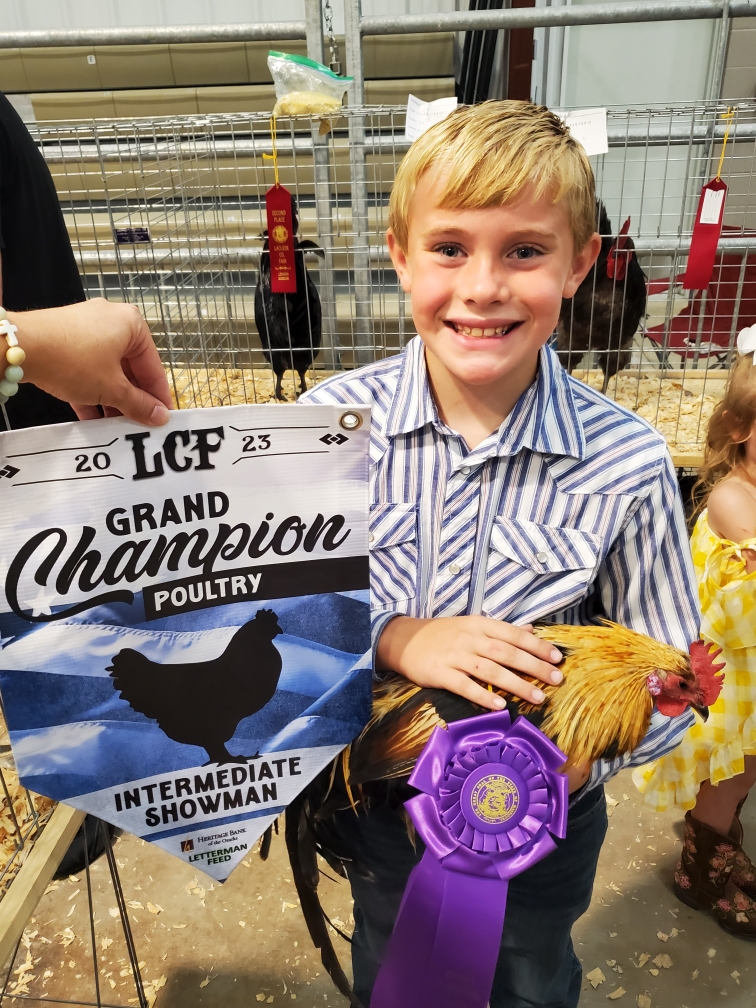
Yes, Gold Phoenix Bantams can work for 4-H or youth exhibition projects when children receive guidance. Their long tails and colorful plumage make them memorable show birds.
Are Gold Phoenix Bantams good for free range?
They can enjoy outdoor time, but rough free-range conditions may damage long tail feathers. A clean, secure run usually works better for keeping roosters in good condition.
Are Gold Phoenix Bantams cold hardy?
Gold Phoenix Bantams can handle cool weather with proper housing, but they need a dry, draft-free coop with good ventilation. Long tail feathers also need clean, dry conditions.
Are Gold Phoenix Bantams heat tolerant?
They can do well in warm weather when keepers provide shade, ventilation, and cool clean water. During extreme heat, bantams need close attention because small birds can stress quickly.
Do Gold Phoenix Bantams go broody?
Broodiness may vary by individual hen. Customers should not choose Gold Phoenix Bantams mainly for hatching chicks unless they are prepared for inconsistent broody behavior.
How big do Gold Phoenix Bantams get?
Gold Phoenix Bantams are small chickens. Cackle’s Phoenix breed spotlight lists Phoenix bantam roosters at about 30 ounces and hens at about 28 ounces.
Do Gold Phoenix Bantams need special care?
Yes. Longtail roosters need clean, dry, roomy housing to protect their tail feathers. Cackle’s Care and Feeding of Longtail Roosters gives more guidance for managing longtail birds.
Does the golden color breed true in Gold Phoenix Bantams?
No, the golden color does not always breed true. The original Cackle Hatchery® notes explain that silver is a strong factor in the breeding process and that a large percentage of silver can crop out.
What is the difference between Gold Phoenix Bantam and Golden Duckwing Phoenix Chicken?
Gold Phoenix Bantams are the miniature bantam version. The Golden Duckwing Phoenix Chicken is the standard-size version of the breed. Both share longtail ornamental appeal, but bantams stay much smaller.
Does Cackle Hatchery® offer other Phoenix chickens?
Yes. Cackle Hatchery® offers related Phoenix options, including Golden Duckwing Phoenix Chicken, Silver Duckwing Phoenix Bantams, Black Breasted Red Phoenix chickens, the Phoenix Bantam Chicken Special, and the Long Tail Surplus Special.
Where can I check Gold Phoenix Bantam chick availability?
Customers can check Cackle Hatchery’s Chicken Availability Chart for current hatch and shipping timing. Bantam and longtail availability can change during the season, so checking the chart helps customers plan ahead.






Adrian Uridel –
I received 7 of these (ordered 6, one extra) and all but one have been healthy and vigorous from the start. One female chick developed an unknown issue with her legs around age 5 weeks, couldn’t walk and had to be put down (it was Not mareks), but no further issue with the others.
I only got one male, and he was very friendly as a chick but now is a bit skittish but comes right up to me for food. More rooster-aggressive than I’d like but no aggression towards me. He chases the hens a bit in the morning and when rounding them up, but is otherwise very polite and attentive and all the girls like him. He’s very vigilant and spots hawks before I do.
The hens (I have 5) are fantastic, very bold and speedy but not skittish. I can handle them and they complain but don’t freak out. They have intense personalities and always first to check things out. Very active and alert and great at ranging around when I let the flock out for a few hours a day. They could probably free range and roost in trees and do fine. All of them have some spur development and one has spurs as large as the young rooster.
These are pretty large for bantams of a light breed – 2 lbs for the larger of the hens and 3 lbs for my rooster. This makes them about wild junglefowl sized, and they have an overall wild, pheasant-type appearance. Very beautiful birds.
hrymar –
They are a very pretty, independent and spirited breed great for free range as they are very protective of their hens. We are in a high predatory area (bobcat, raccoon, hawks, coyote and bear) and have not had any incidences or fatalities but take extreme caution on the days we do let our flock out to peck and graze free range for a couple of hours while doing yard work and outside. I do not have experience with any hens for this particular breed though so only can review the rooster. I wouldn’t recommend a roo with less than 8-10 hens.
Carmen –
Golden Harassing Phoenix Bantams
While these birds are neat to look at, all of our hens had quite enough of them. Since we have sold all of the five roosters we bought, the hens are very relieved. Do not hear them screaming for mercy anymore. They were pretty with their long tails and were not aggressive towards us, but the poor hens were constantly bothered. Nothing personal against Cackle Hatchery, they are great. Probably didn’t help that from straight run we received 100% roosters.
Susanna –
Awesome bantams!
Our’s are very pretty and all of our chickens were healthy. Only one of 19 died in our order. Great work!
Larry December 2015 –
Hello from MN
I wanted to tell you how wonderful all my chickens are!!! You sent me great quality and all are still alive and well. They look alot better than others people from other hatcheries. Keep up the good work.