Description
Blue Runner Duck
The Blue Runner Duck is an active, upright domestic duck known for excellent mobility, strong foraging ability, and good egg production. Runner Ducks are famous for their tall, sleek body shape and quick movement. Unlike heavier domestic ducks, they do not waddle in the usual way. They run.
Blue Runner Ducks make a good choice for customers who want a hardy, mobile duck that stays busy searching for vegetation, insects, slugs, weed seeds, and other small food items. Their blue plumage also adds attractive color variety to a backyard, farm, or homestead flock.
This order ships from a different location through one of Cackle Hatchery®’s participating hatchery partners.
Cackle Hatchery® cannot ship these ducks to Hawaii or Puerto Rico.
Breed Overview and Origin
Runner Ducks were originally bred in Southeast Asia for high egg production and excellent mobility. Their long history as working field ducks helped create one of the best foraging duck types available.
Evidence of their ancient ancestry appears in stone carvings in Java that are more than 2,000 years old. For generations, people used Runner Ducks in a practical daily routine. They herded flocks from field to field during the day so the ducks could eat waste rice, weed seeds, insects, slugs, and other bugs.
Then, at night, people placed the ducks in bamboo pens where they laid their eggs. The next morning, the ducks returned to the fields and cleaned more ground.
Because Runner Ducks covered so much distance during their working lives, they needed a hardy, mobile body. That history still shows today in the Blue Runner Duck’s upright carriage, active movement, and excellent foraging drive.
Appearance and Characteristics
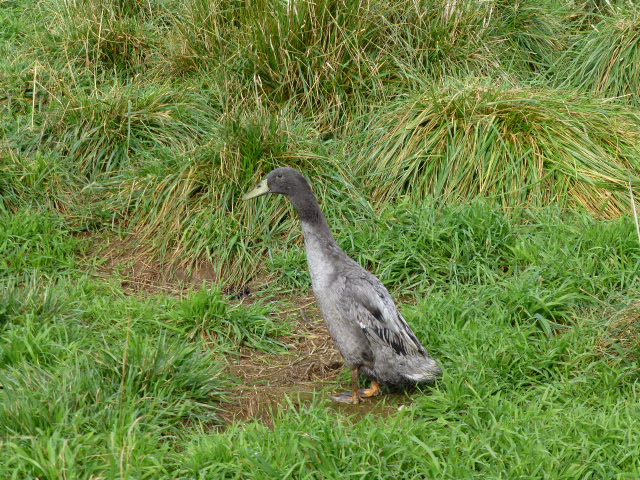
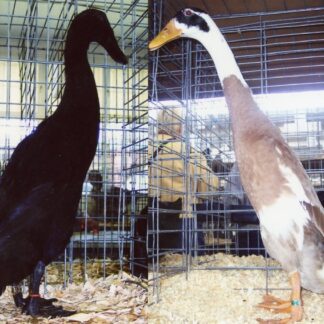
Blue Runner Ducks have the classic Runner body type: long, sleek, narrow, and upright. Their posture gives them a tall, alert appearance that stands out from other domestic ducks.
The Blue variety adds soft blue-gray coloring to the breed’s unique shape. Since blue poultry coloring can vary, customers may notice natural differences in shade from bird to bird. Some ducks may appear lighter blue-gray, while others may show a darker slate tone.
This color variety gives customers the same useful Runner traits with a softer, more unusual flock appearance.
Egg Production
Runner Ducks were bred for high egg production. Because of that background, Blue Runner Ducks can be a strong option for customers who want duck eggs from an active, lightweight breed.
Egg production can vary based on feed, daylight, age, season, weather, stress, and flock management. However, Runner Ducks have a long-standing reputation for laying ability.
Customers focused mainly on duck eggs may also want to compare Khaki Campbell Ducks, Golden 300 Hybrid Layer Ducks, White Layer Ducks, and Welsh Harlequin Ducks.
Foraging Ability and Field Use
Blue Runner Ducks are excellent foragers. They stay active, move quickly, and constantly search for natural food items.
They can help clean up:
Waste grain
Weed seeds
Vegetation
Insects
Slugs
Small bugs
Natural forage
This makes them useful for farms, homesteads, orchards, gardens, and backyard flocks with safe outdoor space.
Even so, foraging should support a balanced feeding program rather than replace it. Blue Runner Ducks still need proper duck feed, clean water, safe shelter, and predator protection.
Mobility and Flock Behavior
Runner Ducks were built for movement. Over the course of their lives, working Runner Ducks may cover hundreds of miles while traveling from field to field.
That history matters because Blue Runner Ducks still show strong mobility today. They like to move, forage, explore, and stay active as a flock.
In addition, Runner Ducks often have a strong flock instinct. They may startle easily, so customers should handle them calmly, avoid chasing, and keep routines steady. With patient care, they can settle well into a farm or backyard flock.
Housing and Daily Care
Blue Runner Ducks need safe housing, clean water, balanced feed, and enough room to move. Since they are active ducks, they do best when customers provide outdoor access and safe foraging areas.
A good setup should include:
Safe nighttime housing
Predator protection
Clean drinking water
Balanced duck or waterfowl feed
Dry bedding or resting areas
Shade in hot weather
Protection from wind and storms
Room for daily movement
Safe outdoor foraging space
Runner Ducks do not need a large pond. However, they do need clean water deep enough to wash their bills and maintain normal duck health.
Blue Runner Ducks for Insect and Slug Control
Blue Runner Ducks can be useful around gardens, orchards, fields, and homesteads because they actively search for insects, slugs, and other small pests.
Their upright, lightweight build helps them move through areas where heavier ducks may travel more slowly. As a result, customers who want active outdoor helpers often enjoy Runner Ducks.
However, customers should supervise them around gardens. Ducks may help reduce pests, but they can also disturb tender plants, muddy wet areas, or trample young growth if they have unrestricted access.
Blue Runner Duck vs Black Runner Duck
Blue Runner Ducks and Black Runner Ducks share the same upright Runner shape, active movement, and foraging ability. The main difference is feather color.
Choose Blue Runner Ducks if you want soft blue-gray plumage and a more unusual color in the flock.
Choose Black Runner Ducks if you prefer dark black plumage with the same classic Runner body type and active behavior.
Both varieties suit customers who want egg production, mobility, and excellent foraging.
Blue Runner Duck vs Chocolate Runner Duck
Blue Runner Ducks and Chocolate Runner Ducks both offer strong foraging ability, good egg production, and the upright Runner body type.
Choose Blue Runner Ducks if you want blue-gray coloring. Choose Chocolate Runner Ducks if you prefer rich brown plumage.
Either variety can work well for customers who want a lively Runner flock with color variety and practical field use.
Blue Runner Duck vs Fawn and White Runner Duck
Blue Runner Ducks and Fawn and White Runner Ducks share the same Runner background and body style.
Fawn and White Runner Ducks are one of the most familiar and popular Runner color varieties. Blue Runner Ducks offer a less common color option for customers who want the same active breed with a softer blue-gray look.
The best choice comes down to color preference and availability.
Blue Runner Duck vs Khaki Campbell Duck
Blue Runner Ducks and Khaki Campbell Ducks both appeal to customers who want laying ducks.
Choose Blue Runner Ducks if you want an upright, mobile, active forager with strong field-cleaning ability.
Choose Khaki Campbell Ducks if you want a traditional egg-laying duck breed with a more typical duck body shape.
Both can produce well, but Runner Ducks stand out for mobility, posture, and constant foraging.
Shipping Note
Blue Runner Duck orders ship from a different location through one of Cackle Hatchery®’s participating hatchery partners.
Because this breed ships through a partner hatchery, customers should review ordering details carefully before placing an order. Availability, hatch dates, and shipping schedules may vary by season.
Cackle Hatchery® cannot ship these ducks to Hawaii or Puerto Rico.
Duckling Care After Arrival
Before Blue Runner ducklings arrive, customers should prepare a clean, warm, and safe brooder.
A proper duckling setup should include:
A secure brooder
A proper heat source
Clean drinking water
Duckling feed or appropriate waterfowl starter
Dry bedding
Enough room to move away from heat
Protection from drafts, pets, and predators
Ducklings should always have access to water when eating. However, the water setup should reduce splashing so the brooder stays as dry as possible.
As Blue Runner ducklings grow, they will need more space, stronger bedding management, and safe outdoor transition areas.
Is This Breed Right for You?
Choose Blue Runner Ducks if you want:
An upright duck breed
A blue-gray Runner variety
A hardy, mobile forager
A good egg-laying duck
A duck that runs instead of waddles
A bird with ancient working-duck history
A strong field-foraging duck
A duck useful for insects and slugs
A lively flock bird
A colorful option for farms and homesteads
Blue Runner Ducks are not the best choice for customers who want a heavy meat duck, a slow-moving pond duck, a very calm pet duck, or ducklings shipped to Hawaii or Puerto Rico.
Recognition and Availability
Cackle Hatchery® offers Blue Runner Ducks for customers who want an active, upright, egg-laying duck with strong foraging ability and attractive blue-gray plumage.
Customers may also want to compare Black Runner Ducks, Chocolate Runner Ducks, Fawn and White Runner Ducks, Khaki Campbell Ducks, Golden 300 Hybrid Layer Ducks, White Layer Ducks, and Cackle’s full Ducks for Sale category.
Related Ducks and Helpful Cackle Hatchery® Resources
If you like this breed, you may also want to compare Black Runner Ducks, Chocolate Runner Ducks, Fawn and White Runner Ducks, Khaki Campbell Ducks, Golden 300 Hybrid Layer Ducks, White Layer Ducks, Welsh Harlequin Ducks, Hatchery Choice Duck Assortment, and Ducks for Sale.
Helpful Cackle resources include 12 Benefits of Keeping Ducks, Duck Breeds List Comparison Chart, Sexing Ducklings and Goslings, Duck Eclipse and Nuptial Molts — What Do They Mean?, Chicken Guarantees and Policies, Cackle Hatchery FAQ, and Availability Chart.
FAQ: Blue Runner Duck
What is a Blue Runner Duck?
The Blue Runner Duck is an upright, lightweight domestic duck known for mobility, foraging ability, egg production, and blue-gray plumage.
Are Blue Runner Ducks Indian Runner Ducks?
Yes. Blue Runner Ducks are a color variety of the Indian Runner Duck.
Where did Runner Ducks originate?
Runner Ducks were originally bred in Southeast Asia.
Why were Runner Ducks developed?
People developed Runner Ducks for high egg production, excellent mobility, and daily field foraging.
How old is the Runner Duck type?
Stone carvings in Java show evidence of Runner-type ducks more than 2,000 years ago.
What were Runner Ducks used for historically?
People herded Runner Ducks from field to field so they could eat waste rice, weed seeds, insects, slugs, and other bugs. At night, people placed them in bamboo pens where they laid eggs.
Are Blue Runner Ducks good foragers?
Yes. Runner Ducks are among the best foraging ducks.
Are Blue Runner Ducks good egg layers?
Yes. Runner Ducks were bred for high egg production.
What makes Runner Ducks different from other ducks?
Runner Ducks have a tall, upright body shape and move quickly instead of waddling like many heavier ducks.
What color are Blue Runner Ducks?
Blue Runner Ducks have blue-gray plumage, although the exact shade can vary from bird to bird.
Do Blue Runner Ducks need a pond?
They do not need a large pond, but they do need clean water for drinking, washing their bills, and normal duck health.
Are Blue Runner Ducks good for insect and slug control?
Yes. They actively forage for insects, slugs, weed seeds, and other small food items.
Are Blue Runner Ducks good for gardens?
They can help with insects and slugs, but customers should supervise them around tender plants and wet garden areas.
Do Blue Runner Ducks ship from Cackle Hatchery®?
This order ships from a different location through one of Cackle Hatchery®’s participating hatchery partners.
Can Blue Runner Ducks ship to Hawaii?
No. Cackle Hatchery® cannot ship these ducks to Hawaii.
Can Blue Runner Ducks ship to Puerto Rico?
No. Cackle Hatchery® cannot ship these ducks to Puerto Rico.
Where can I check availability?
Check Cackle’s Availability Chart for current ordering options.



Reviews
There are no reviews yet