All hens start out laying small eggs. As the birds mature, the egg size increases until it reaches the normal size for the breed. Many breeds will end up laying small or medium size eggs, while most baking recipes call for large eggs. Chicken keepers who do a lot of baking therefore prefer chicken breeds […]
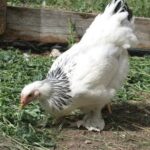
A broody hen stops laying eggs when she starts setting. Therefore, throughout the ages poultry keepers who have raised chickens primarily for eggs have culled persistently broody hens. In other words, they selectively bred in favor of non-setters. As a result, the breeds best known for superior laying ability are less apt to brood than […]
Some chicken breeds thrive better on forage compared to others. Breeds that have been kept in confinement for many generations generally forage less aggressively than breeds that have continued to exercise their foraging instinct. If you want a low-maintenance flock, and you have space for them to roam, consider these chicken breeds that are exceptional […]
Autosex chicks have differing down colors at hatch, by which the males may be readily distinguished from the females. Autosex differs from sex-link in being a straightbred (purebred) characteristic, rather than the result of a hybrid cross between two separate breeds. Here is how to tell the males from the females in 22 autosex breeds […]
Cackle Hatchery offers customers a diverse range of chickens to choose from, so you can find the right backyard chickens for your needs. If you are looking specifically for pet chickens and you are new to raising chickens, here is a handy guide to help you find the perfect fit and tips on how to […]
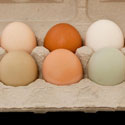
Most eggs sold at the supermarket have white shells. So where do brown eggs and blue eggs come from? The color of the shell is determined by the breed of the hen that laid the egg. Most white eggs sold at the supermarket are laid by Leghorn hens. Many other breeds lay eggs with white […]
The optimal mating ratio for chickens, turkeys, and other poultry is not the same ratio in which they typically hatch. Most poultry naturally hatch approximately 50 percent females and 50 percent males. If your goal is to obtain fertile eggs for hatching, that ratio will result in males fighting excessively with each other, and when […]
Rare is the hen that will lay an egg every day, year round. Most hens lay in cycles. Depending on the hen’s breed and age, one cycle may last for 12 days or as long as a year. The total number of eggs laid within one laying cycle is called a clutch. Eggs per Clutch […]