Whether to exhibit your chickens at a sanctioned or unsanctioned poultry show depends on a number of different factors. These factors include the quality of your birds, the amount of money you are willing to spend, and your goals in exhibiting your chickens. Sanctioned vs. Unsanctioned, What’s the Difference? A sanctioned show is one that […]
The terms “sex link” and “autosex” both refer to chicks whose gender is obvious as soon as they hatch. But the two terms are not synonymous. Sex link chickens, or sex links, result from mating a hen and a rooster of two different breeds. Autosex chickens are the offspring of a hen and a rooster […]
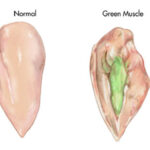
First, let’s dispense with a few myths. Green muscle disease is not a disease. It is a disorder involving muscle degeneration. Second, among chickens it affects only Cornish-cross broilers, but not other types of meat chickens. Third, it is not new, having been identified since 1968. And fourth, green muscle is highly preventable. What is […]
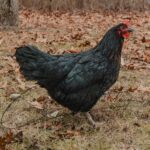
Black Sex Link Started Pullet – 15 to 22 weeks old female
Shipped Year Round. No Pick up Orders! Started Pullets are 46.00 ea. Shipping charges are non refundable. MAXIMUM OF 2 PER ORDER ONLYNEXT AVAILABLE SHIP DATE IS IN JUNEContinue Reading
By Cackle Hatchery Here at Cackle Hatchery® we are constantly fielding questions from our customers. Below are answers to 17 of the most common questions we hear about chickens and eggs. Why do chickens lay eggs? Chickens lay eggs to reproduce more chickens. However, unless a rooster is present, the eggs won’t be fertile and […]
Enjoy your free downloadable gift for updating your dealer listing with us here at Cackle Hatchery! Click Here to Download As an added bonus after downloading feel free to print any Cackle Hatchery sales sheets for poultry you may need instore: PRINTABLE CHICK SALES SHEETS Tips for printing: Make sure your printer settings are set […]
Chicken keepers in the United States are a diverse bunch in such things as where they live, how many chickens they keep, and what they feed their flock. A paper published in Poultry Science offers some interesting insights about who, exactly, chicken keepers are. Urban or Rural Backyard chicken keepers in the United States are […]
For exhibition purposes, large chicken breeds recognized by the American Poultry Association (APA) are organized into six classes. Most of the classes represent the geographic region where the breeds originated or were developed. Knowing a chicken’s APA class lets you infer a number of things about the breed, including temperament, laying ability, climate tolerance, and […]
Chickens, including bantams, tend to do better in cold weather than in hot weather. However, some bantams tolerate the cold better than others. Certain features — such as dense plumage, leg feathering, beards, and small combs — contribute to a cold hardiness. Often the country of origin provides a clue to a breed’s climate tolerance. […]