Description
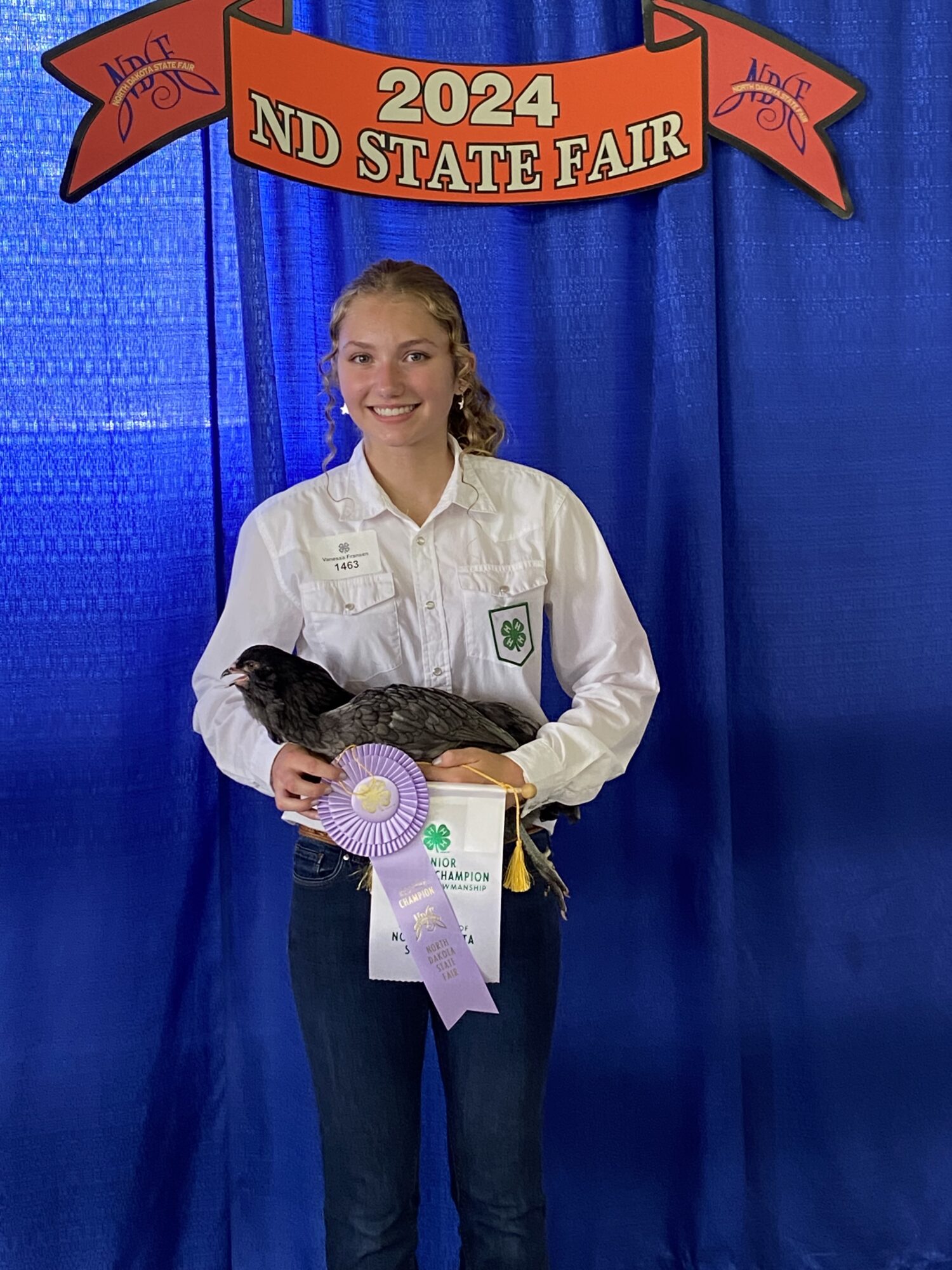
Blue Ameraucana Chicken
Breed Overview and Authenticity
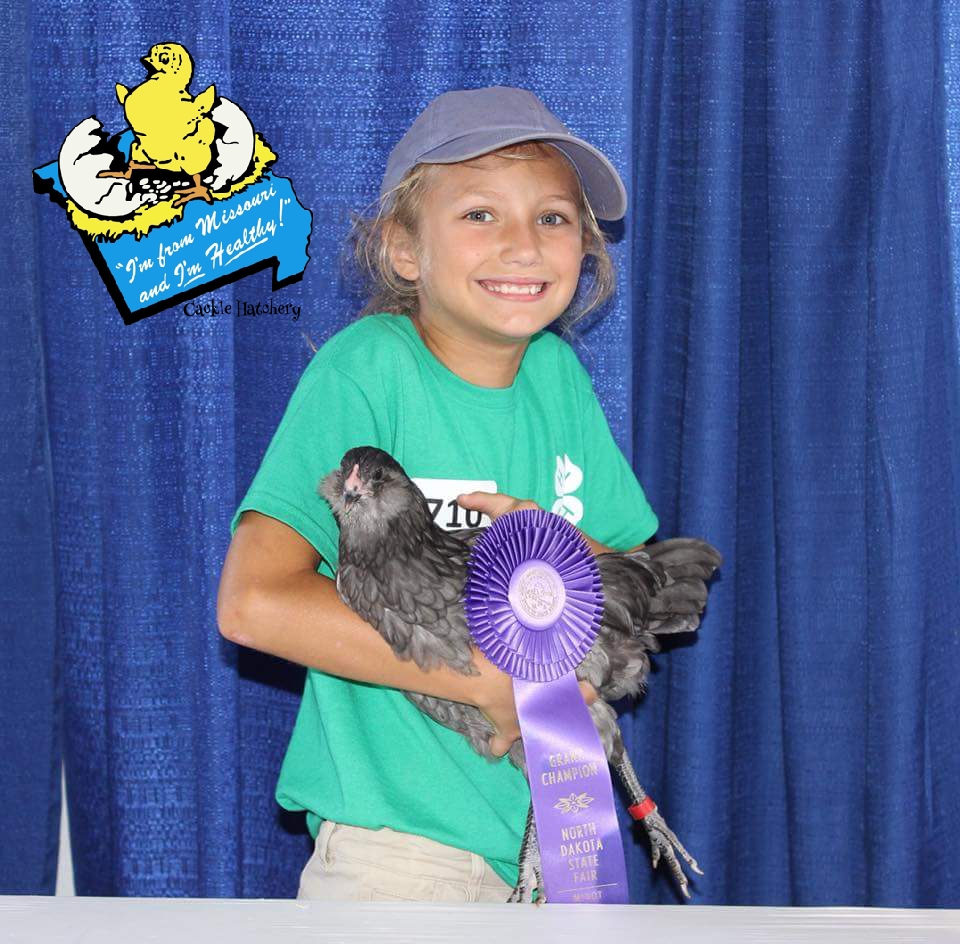
The Blue Ameraucana is one of the officially recognized color varieties by the American Poultry Association and a true blue egg layer—not to be confused with Easter Eggers™ or Araucanas. Cackle Hatchery® began offering Blue Ameraucana day-old chicks in 2015, using stock developed by Master Breeder John W. Blehm.
This is a pure Ameraucana, bred for both egg production and exhibition quality, making it a strong option for customers who want authenticity along with performance.
Appearance and Color Genetics
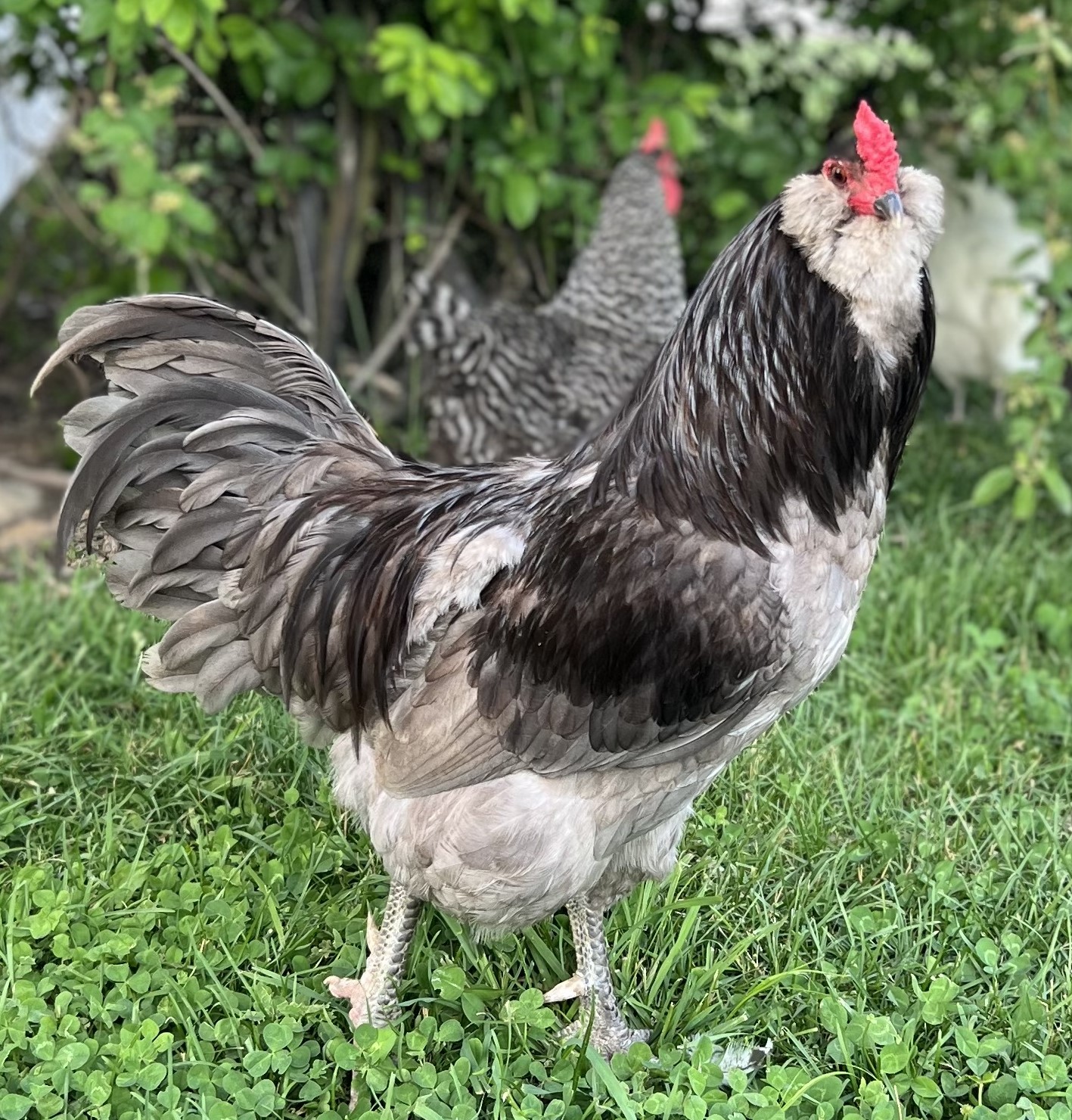
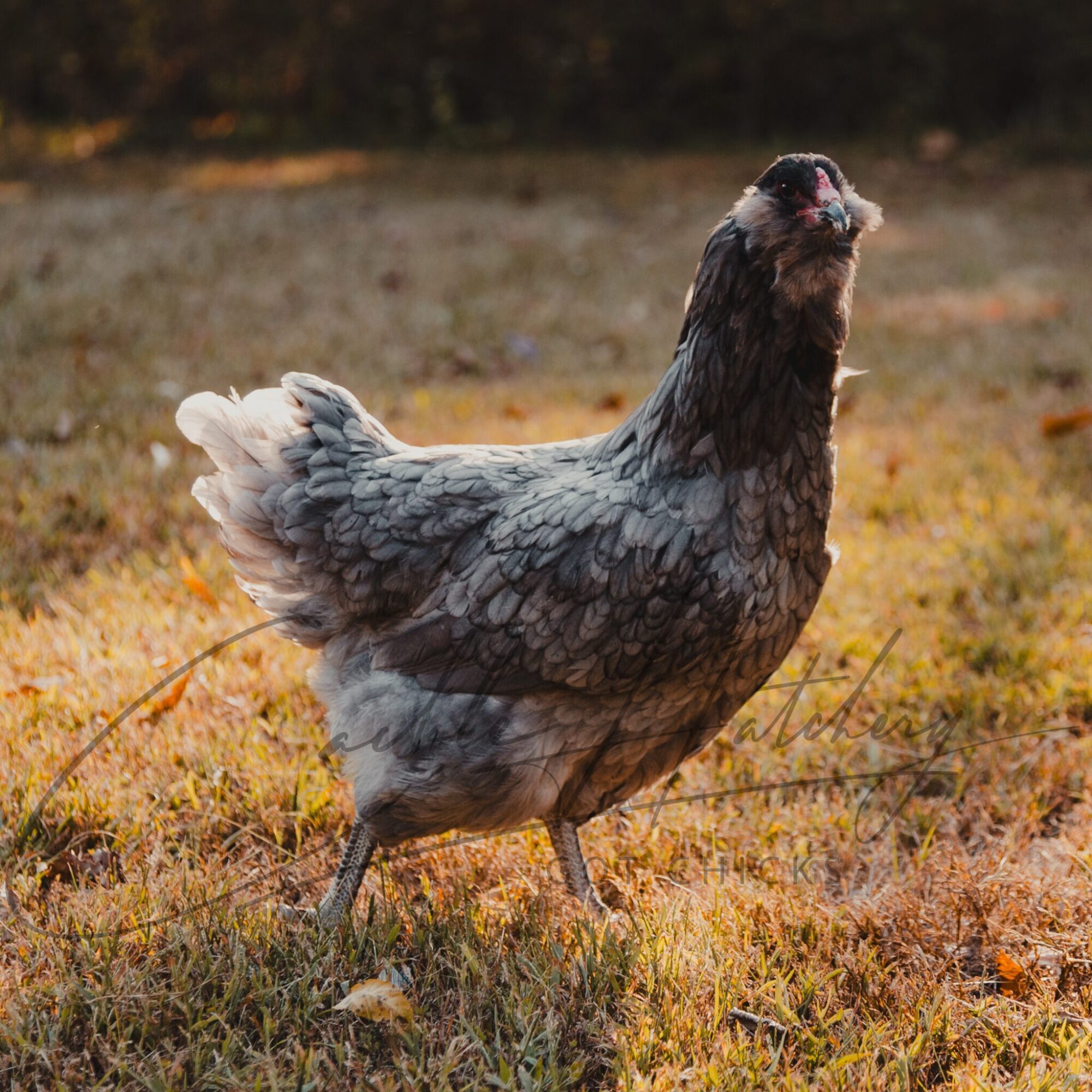
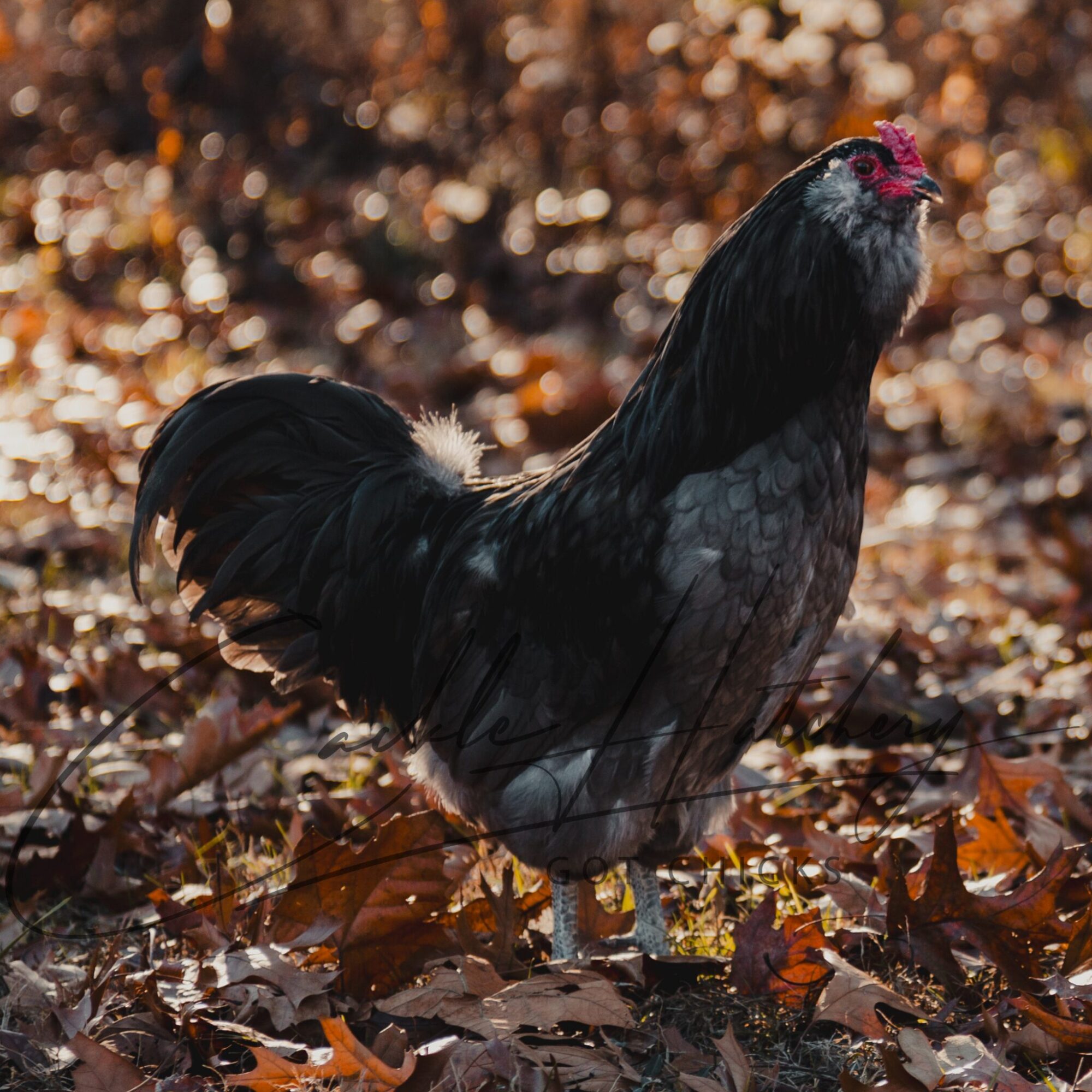
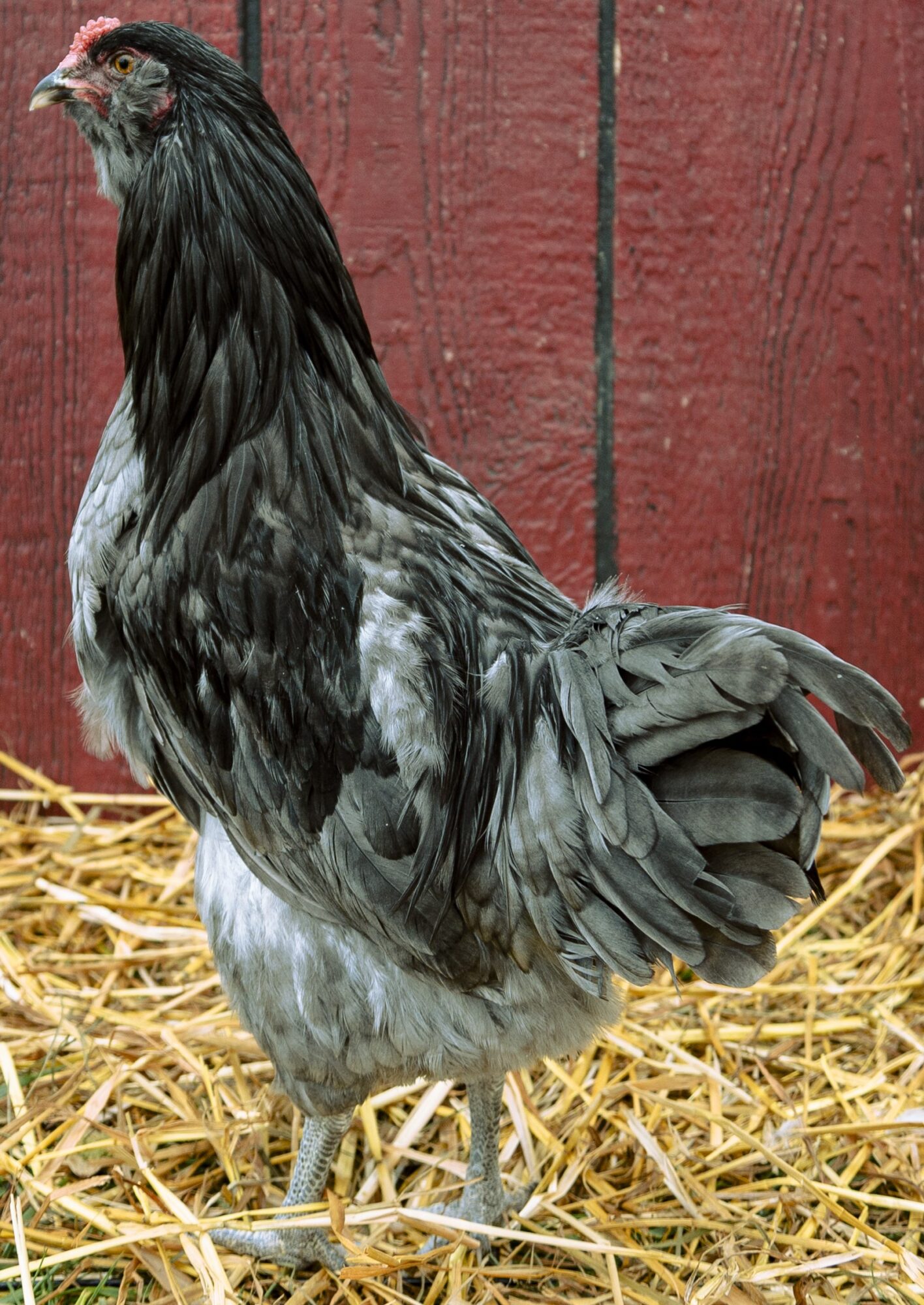
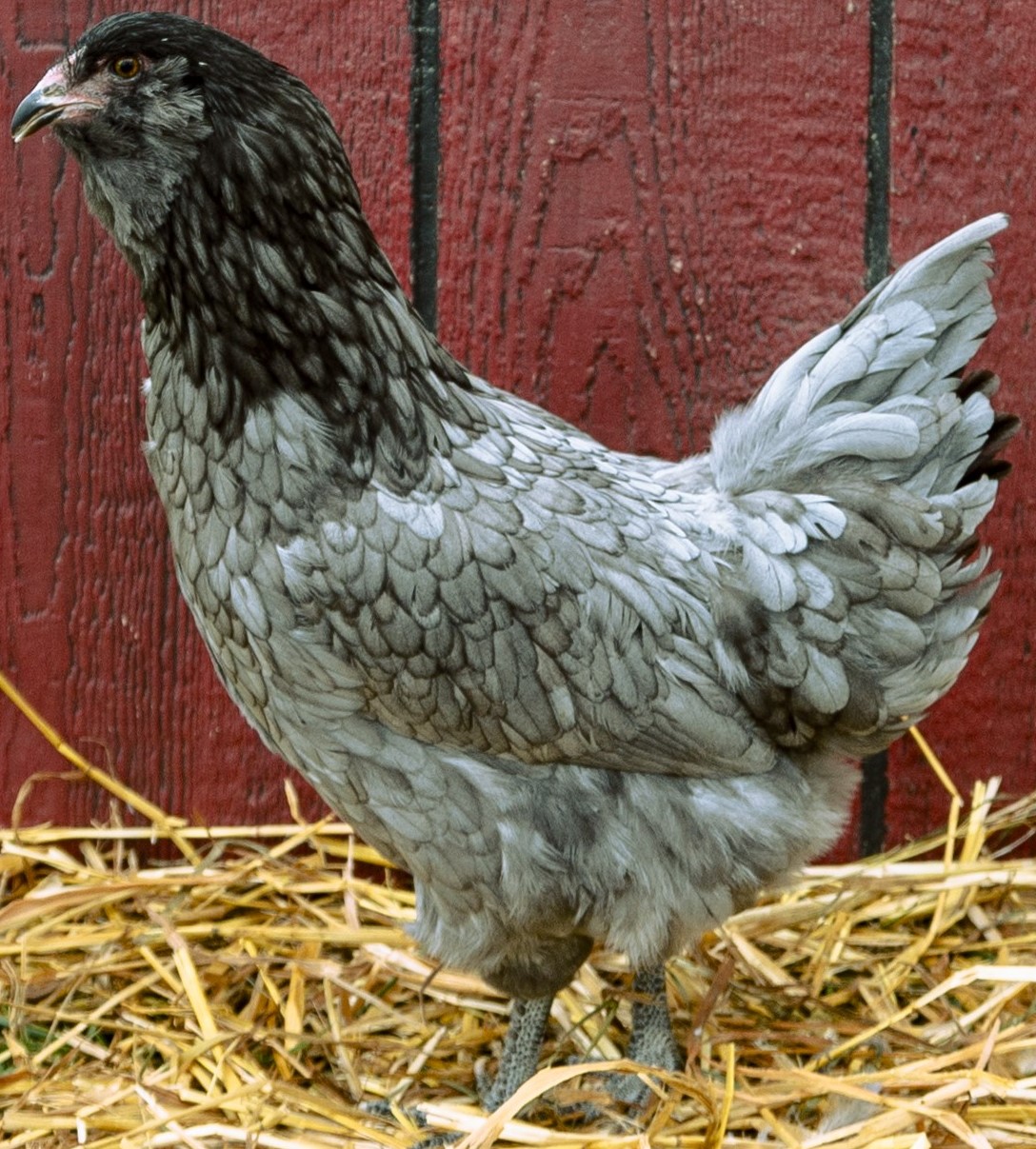
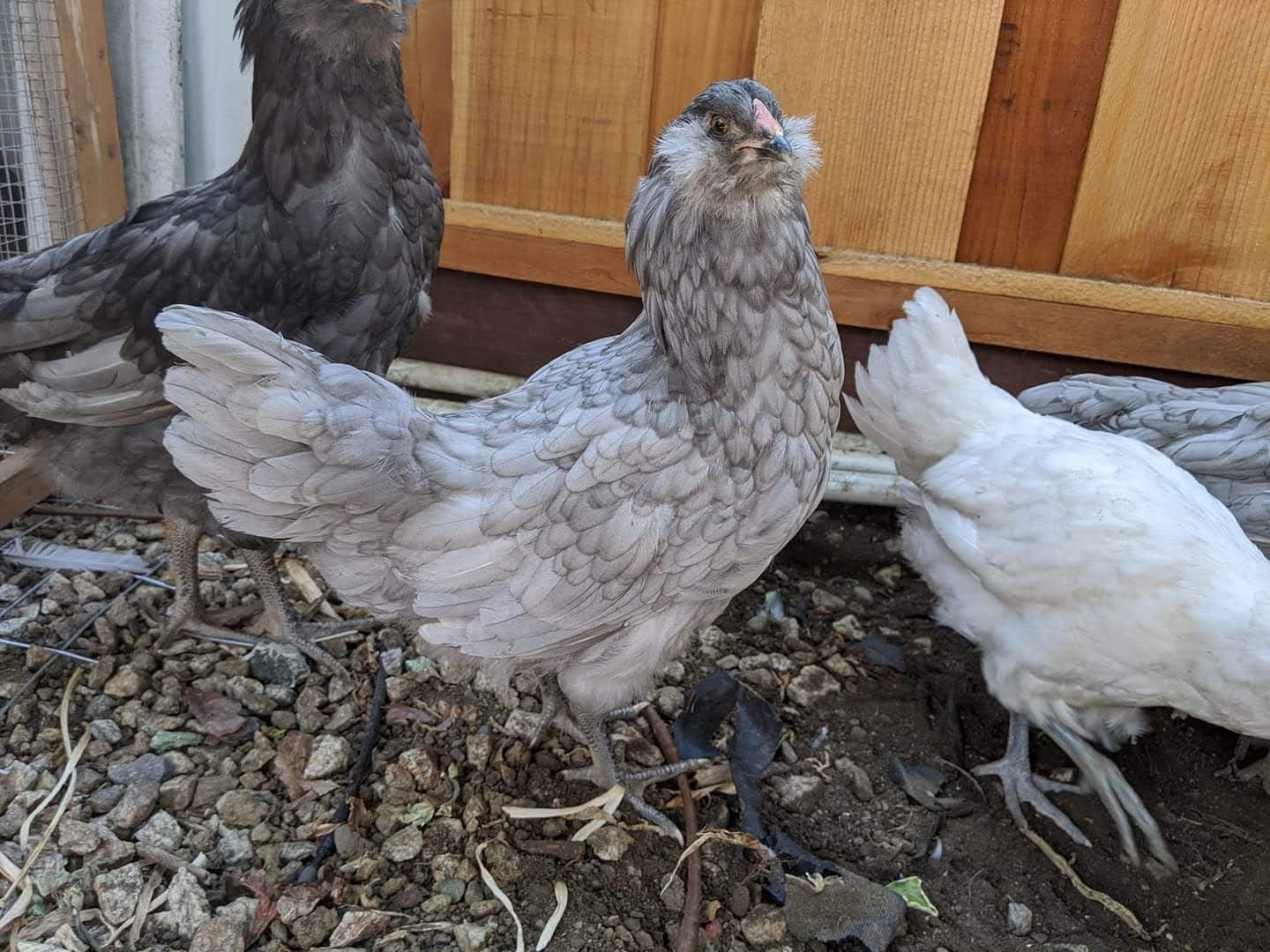
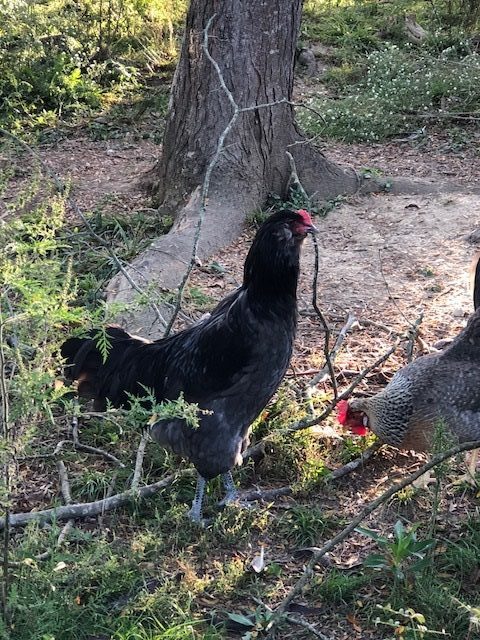
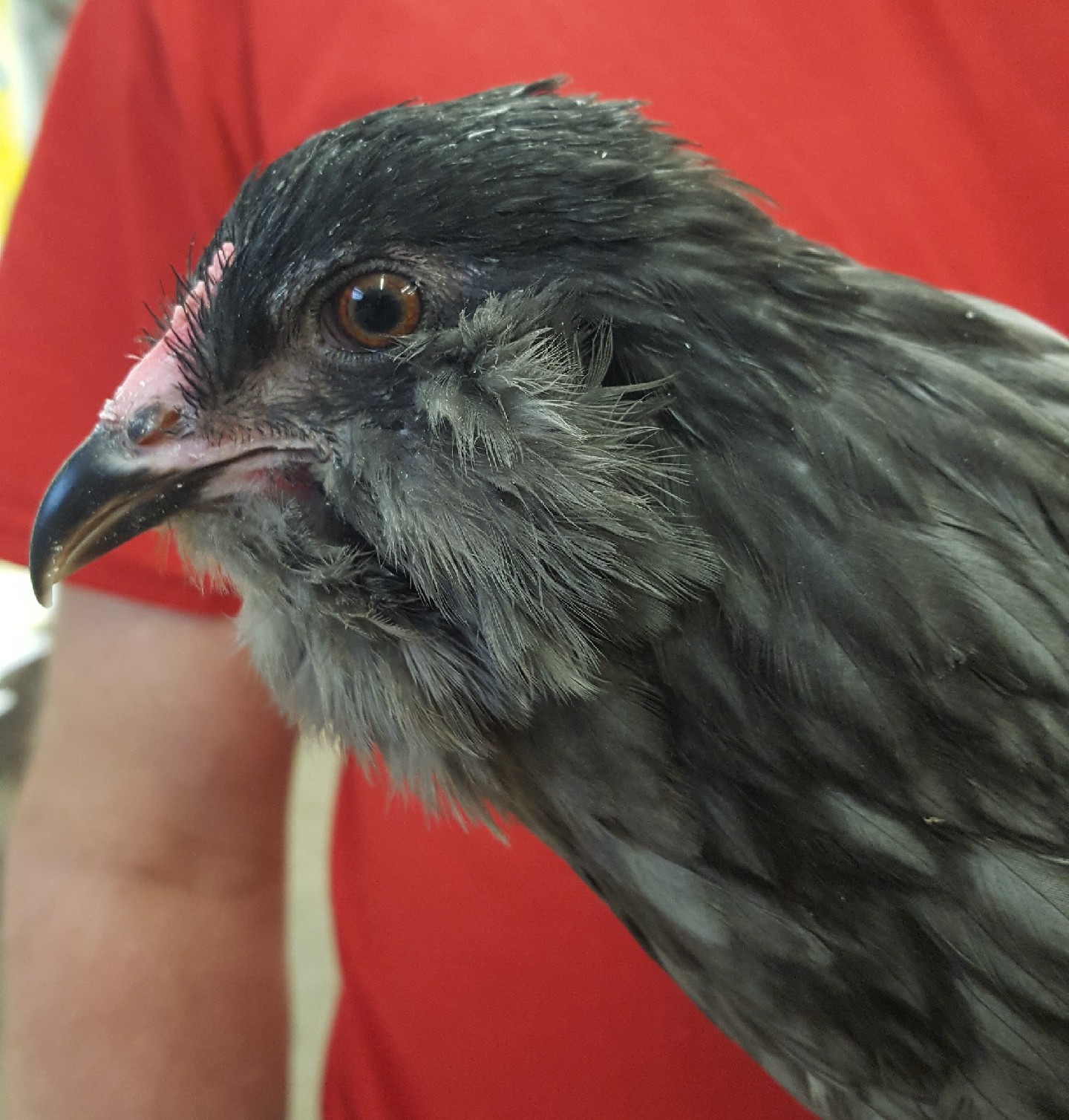
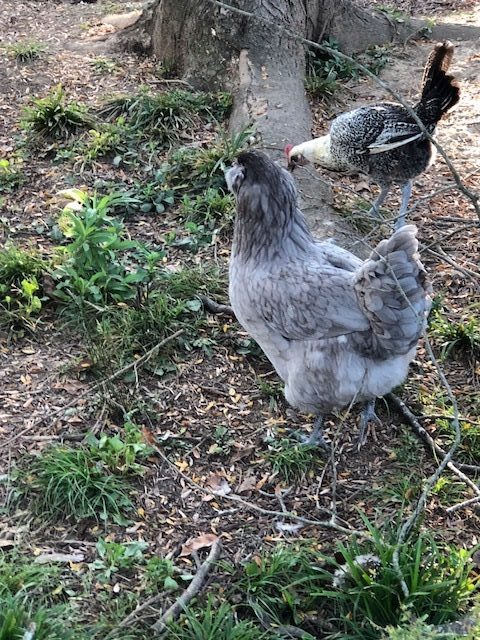
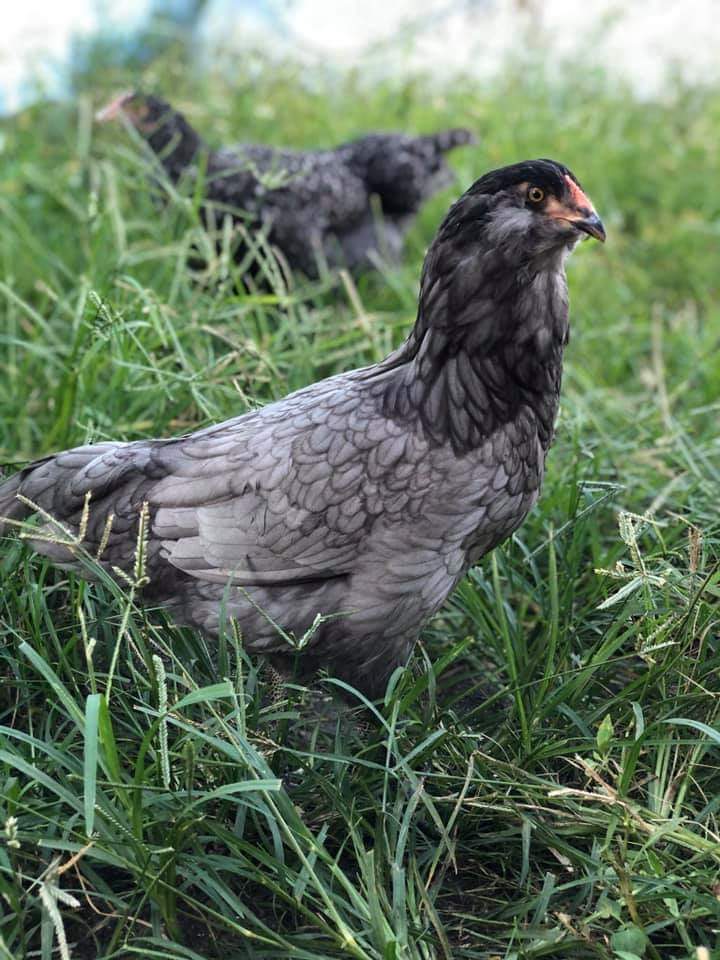
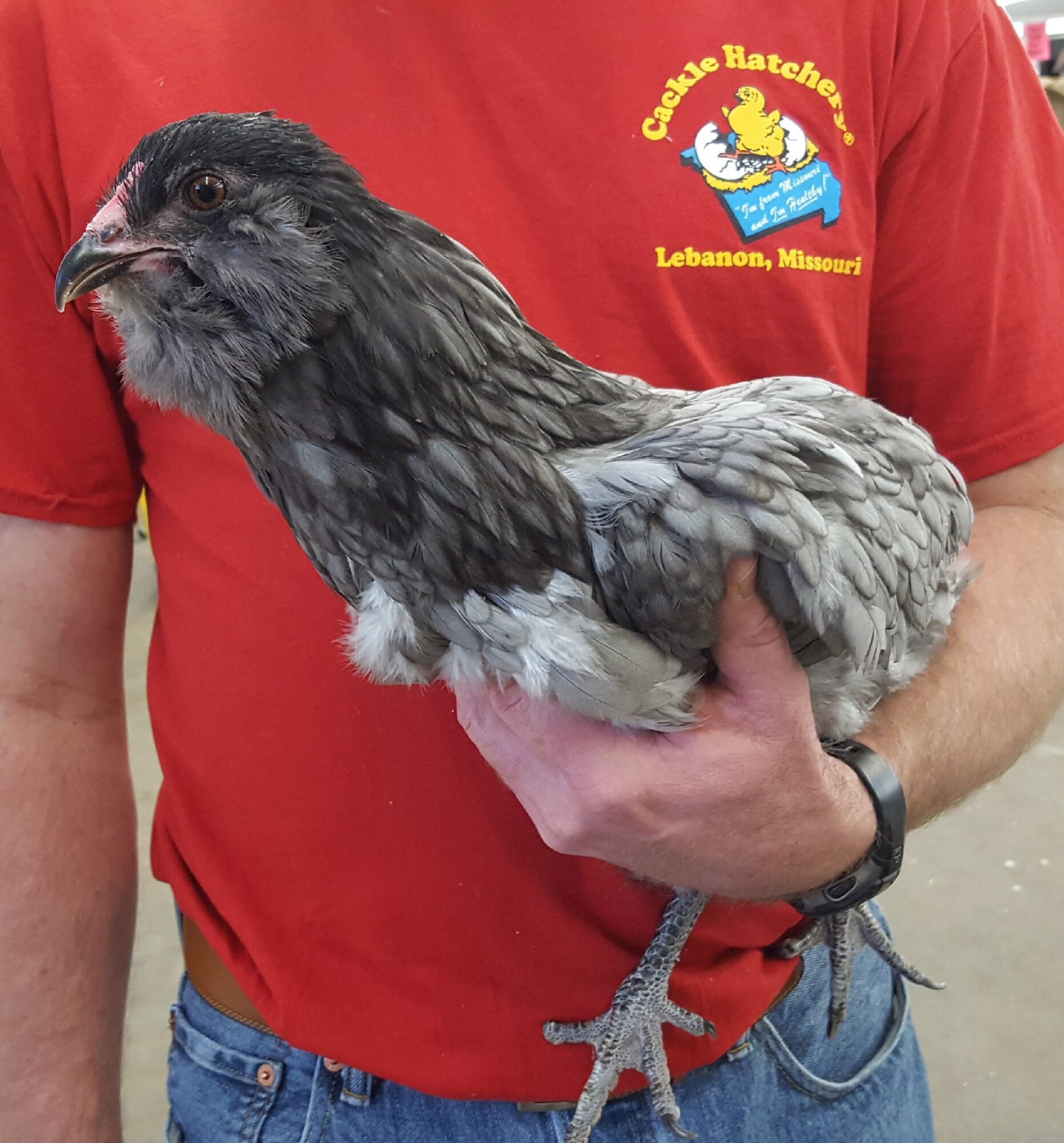
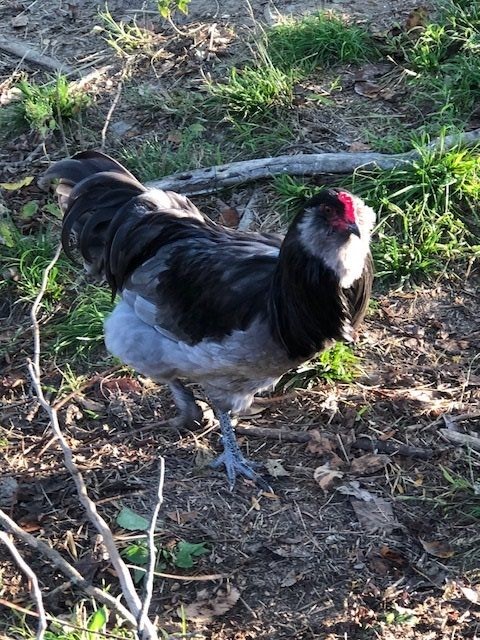
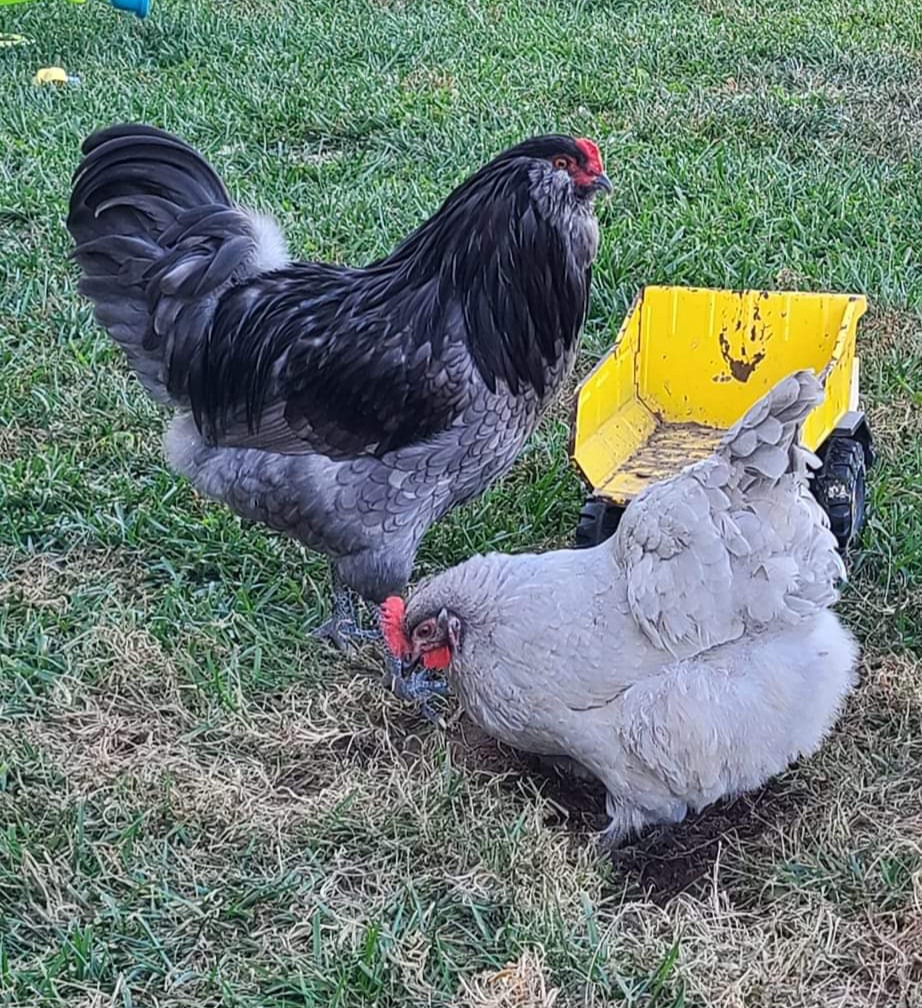
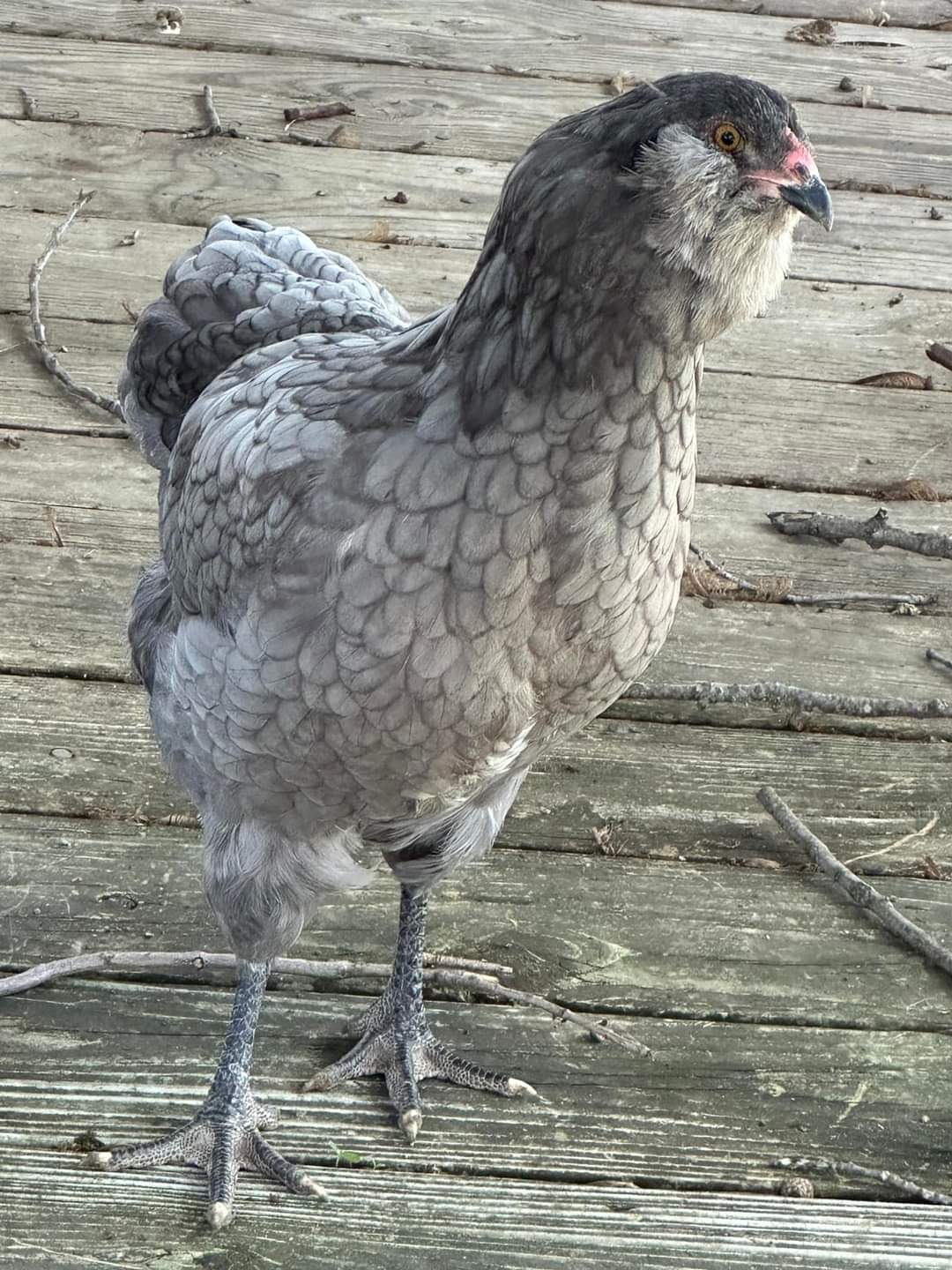
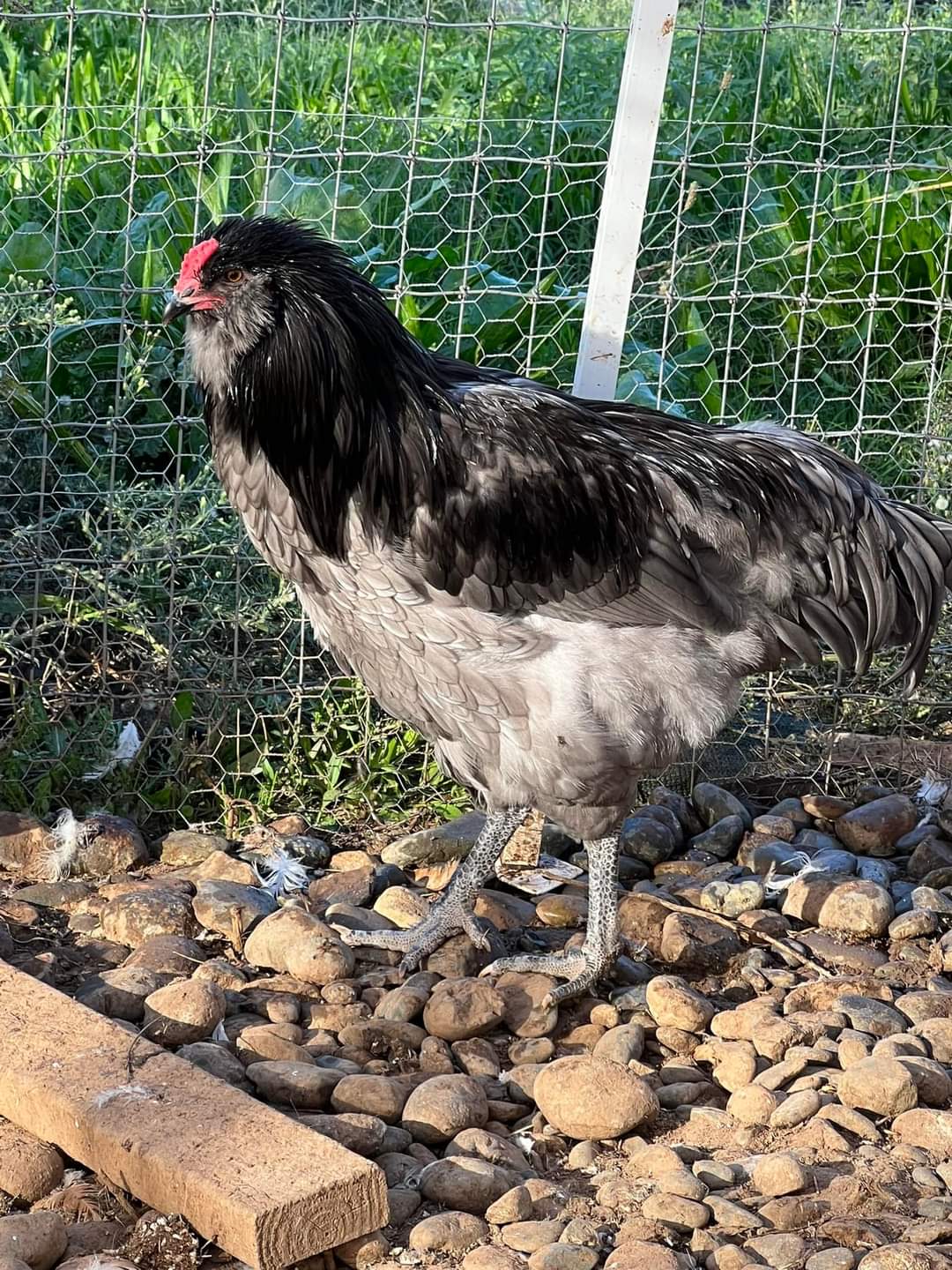
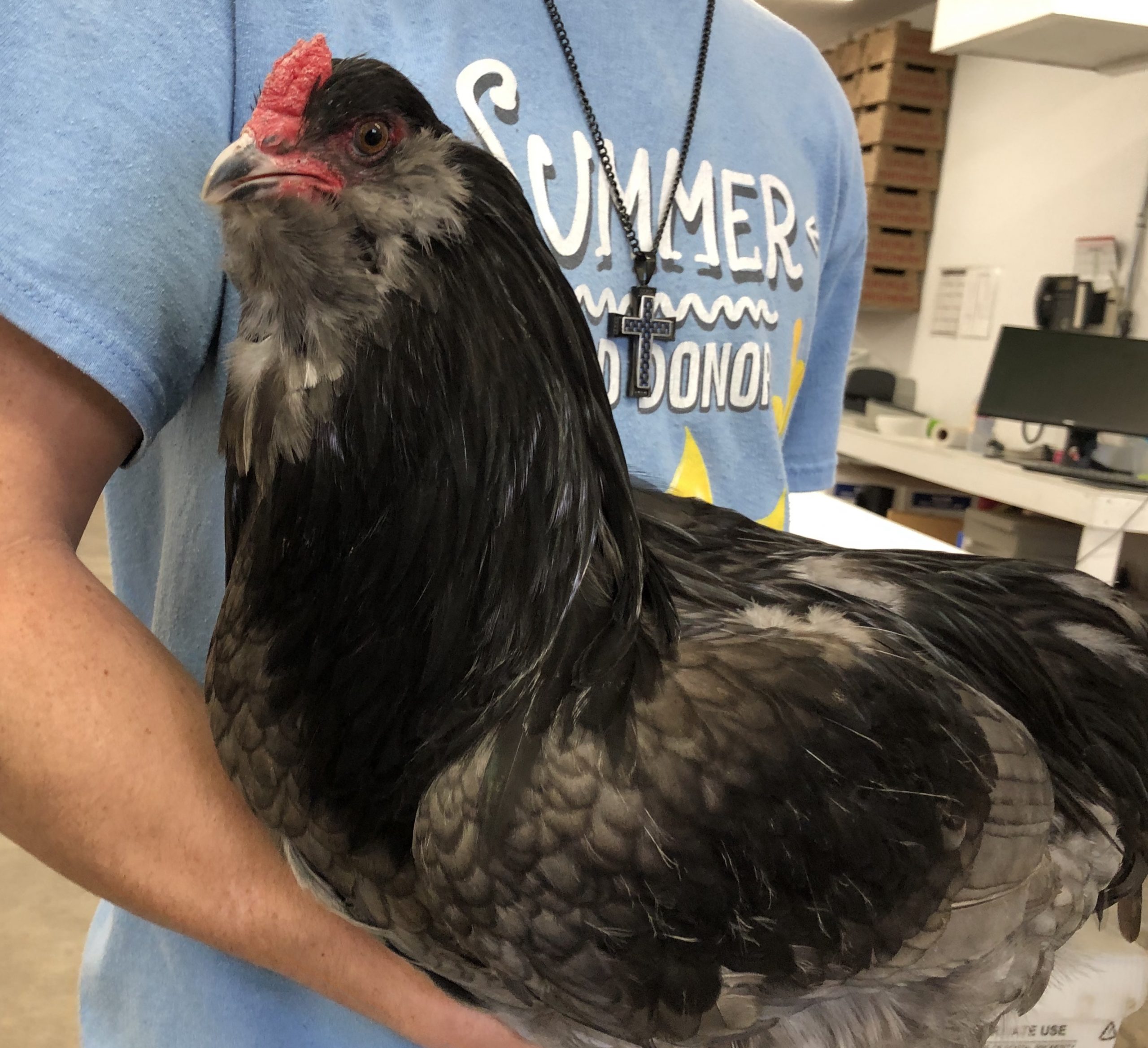
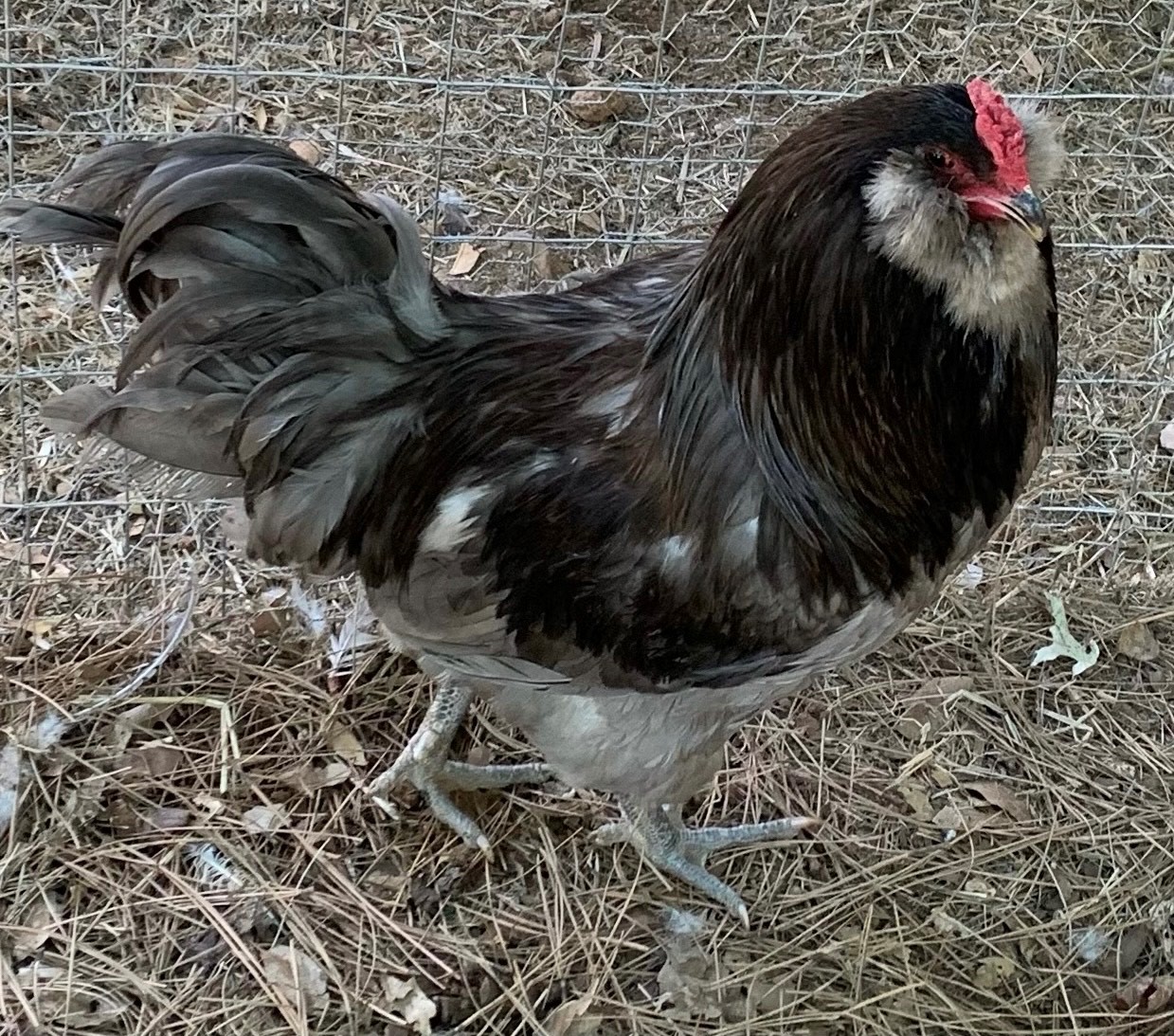
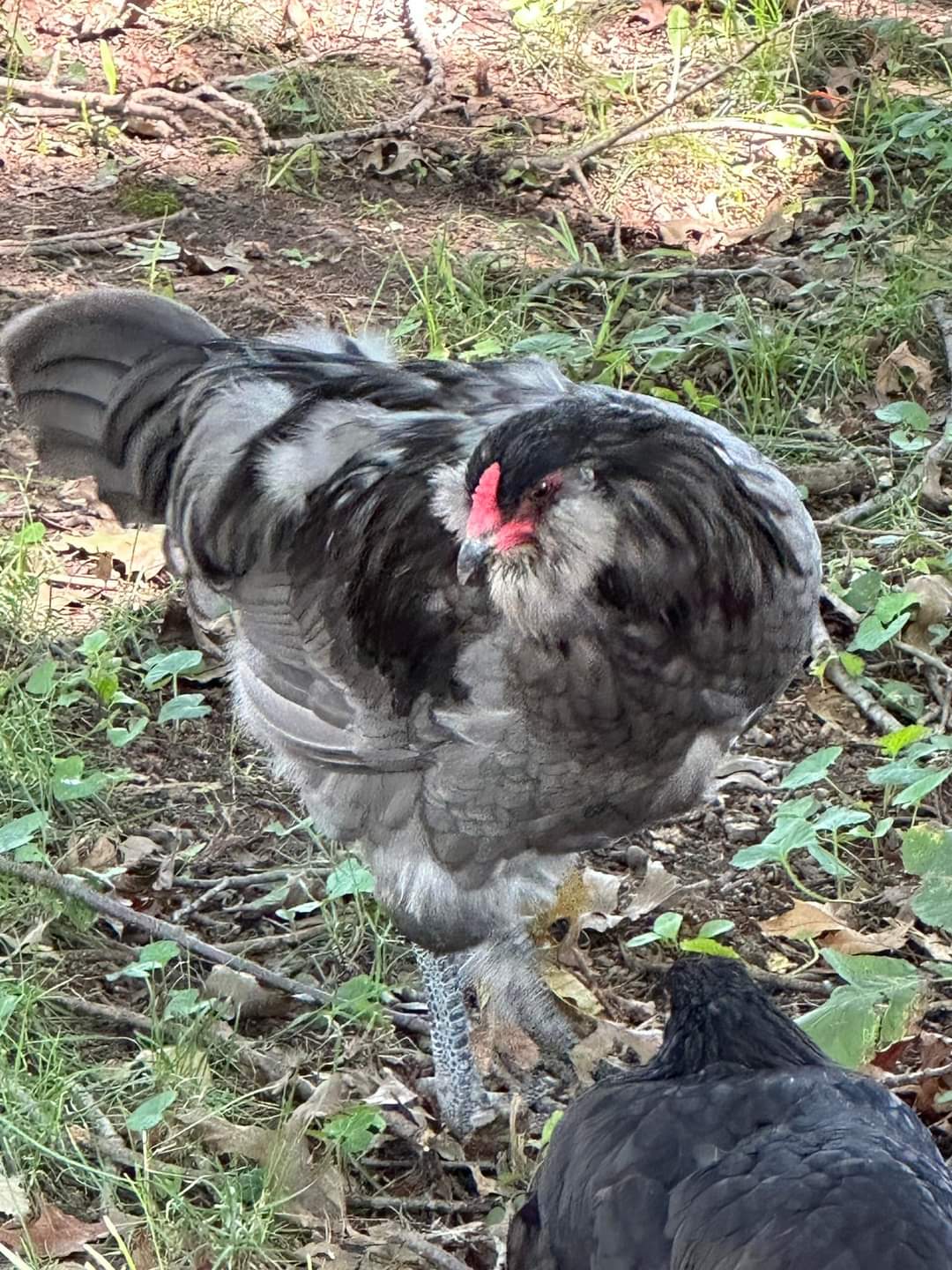
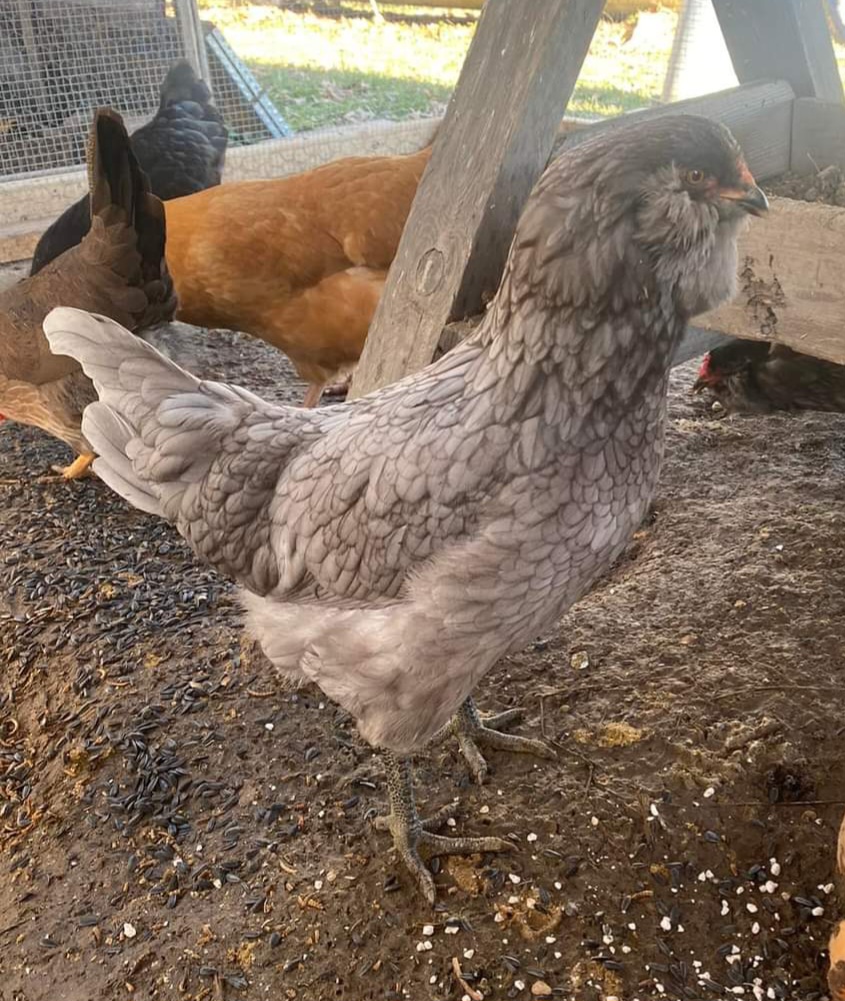
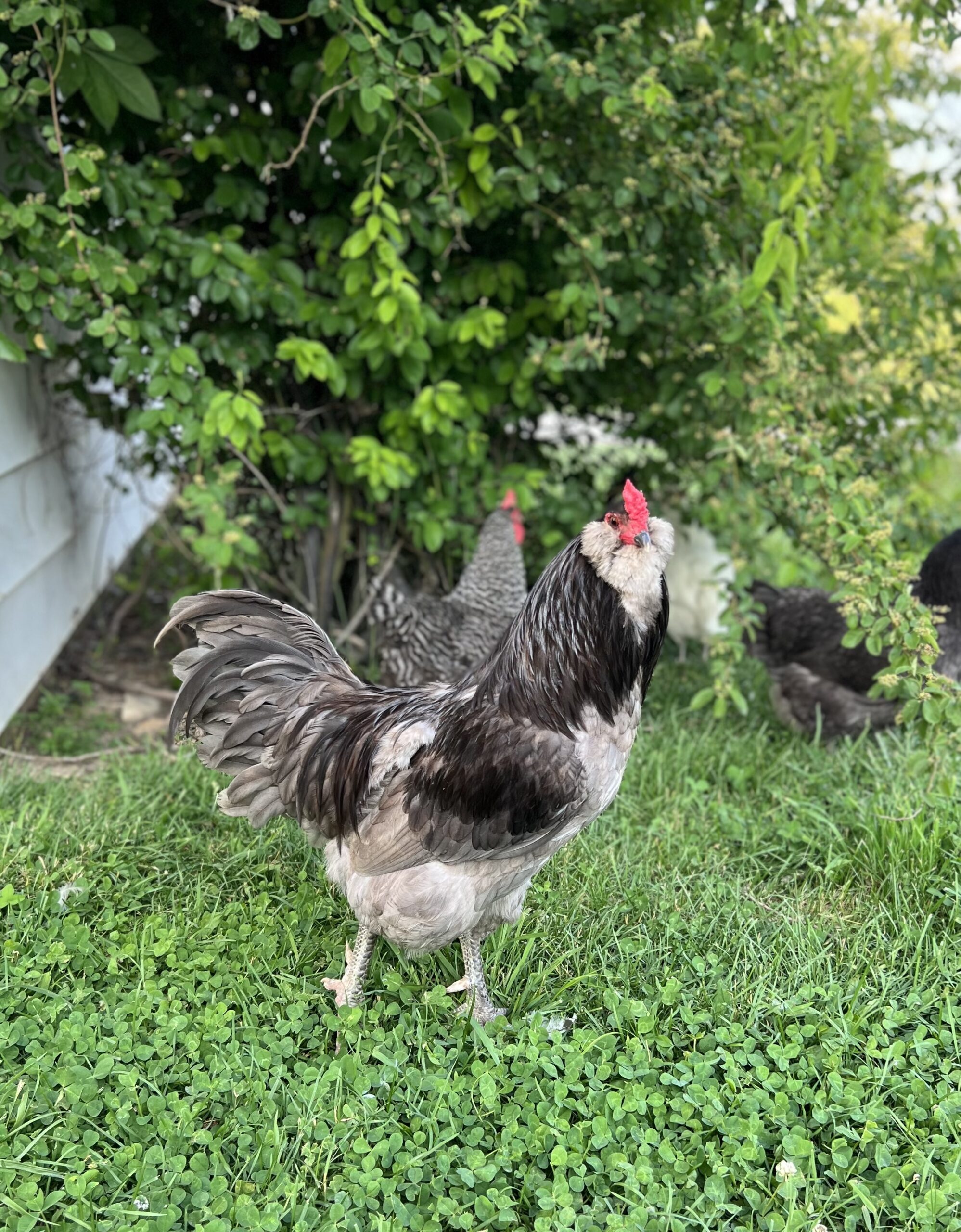
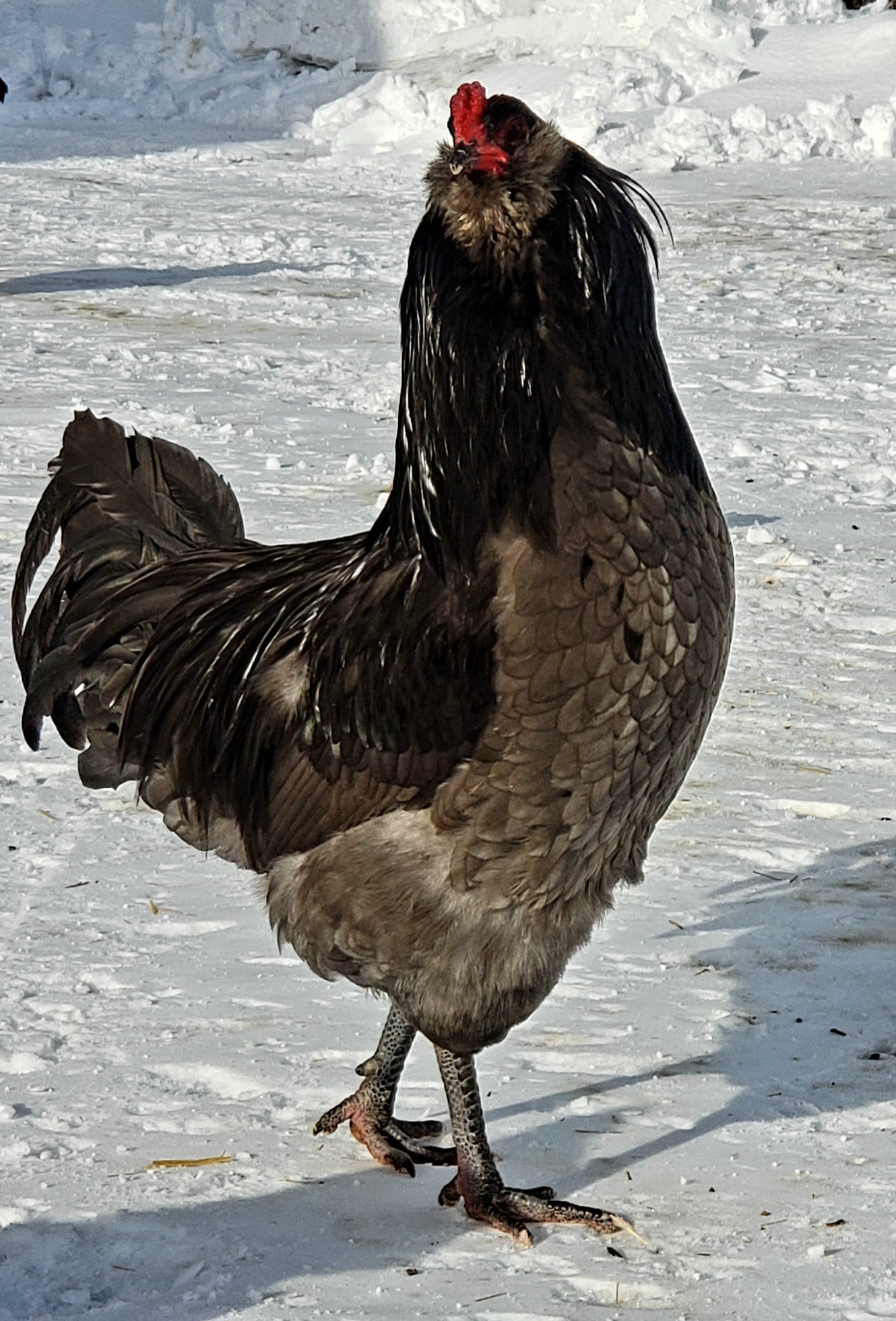
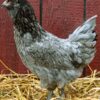
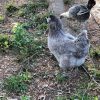
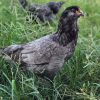
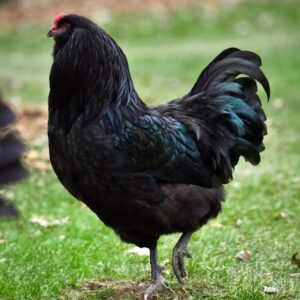
Blue Ameraucanas are based on black birds, with the blue (Bl) gene diluting black feathers into a slate blue/gray color. Ideally, each feather shows darker edging or “lacing,” giving the bird a clean, defined appearance.
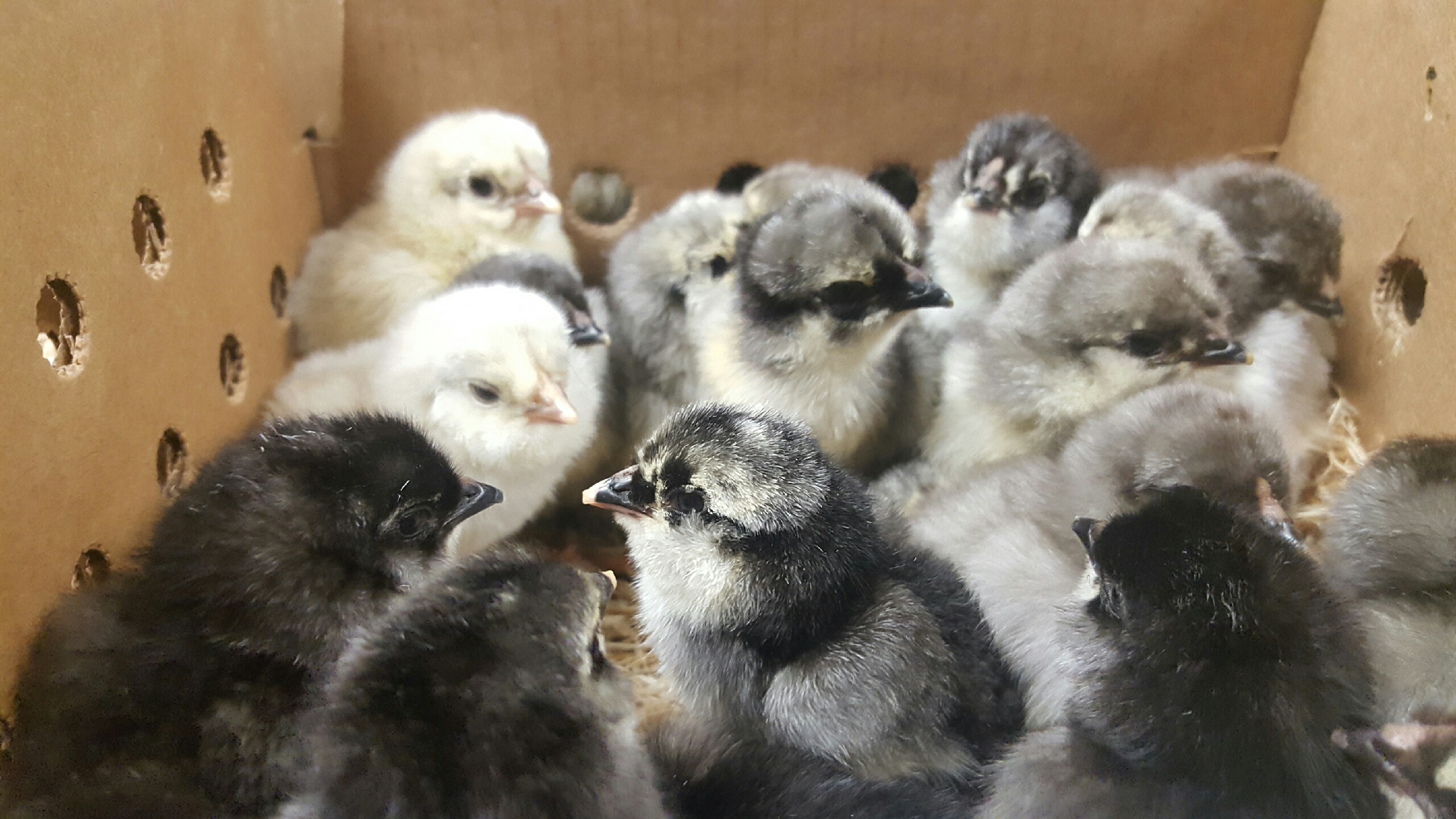
Unlike lavender (self-blue), the blue gene does not breed true. When breeding blue to blue, you can expect:
- ~50% Blue
- ~25% Black
- ~25% Splash
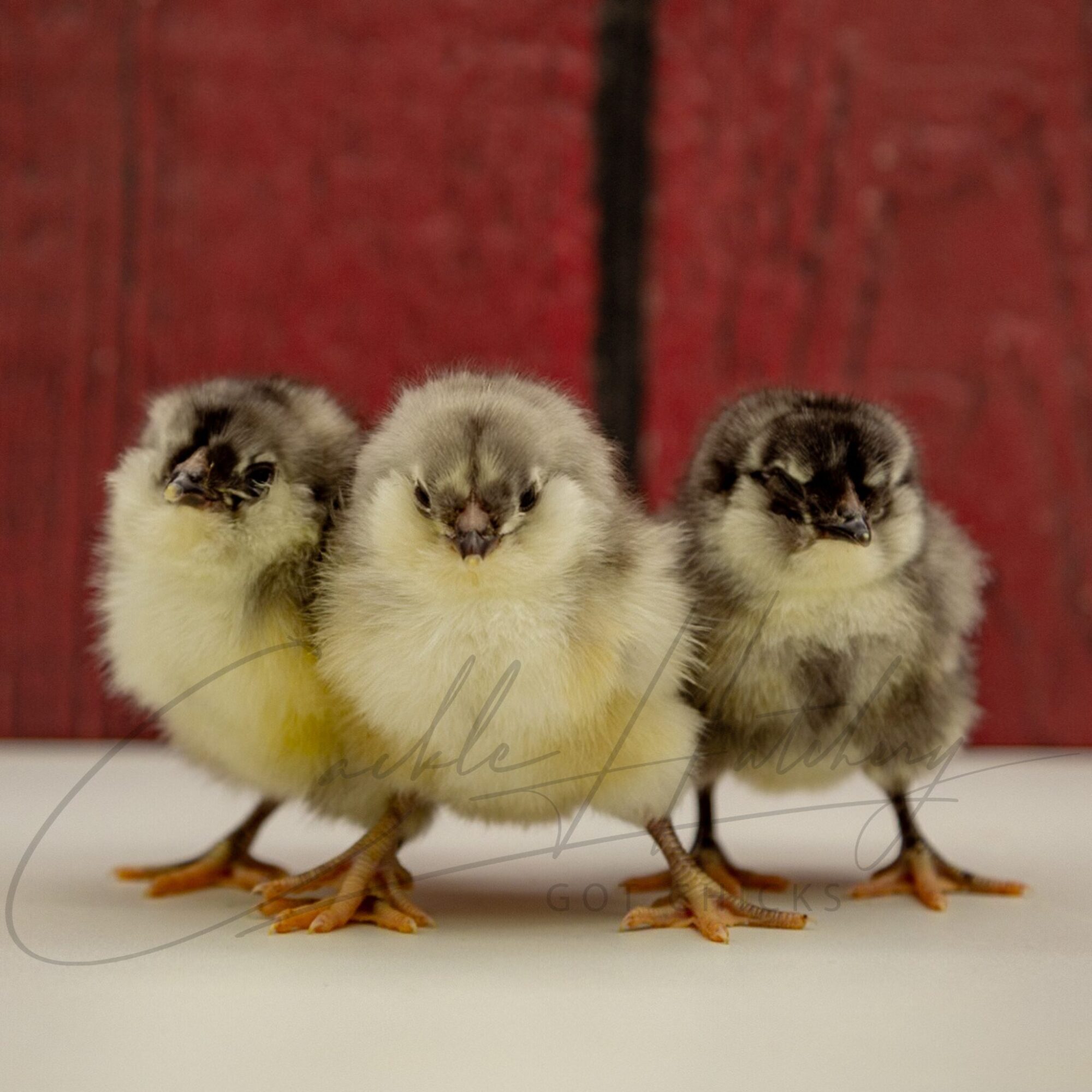
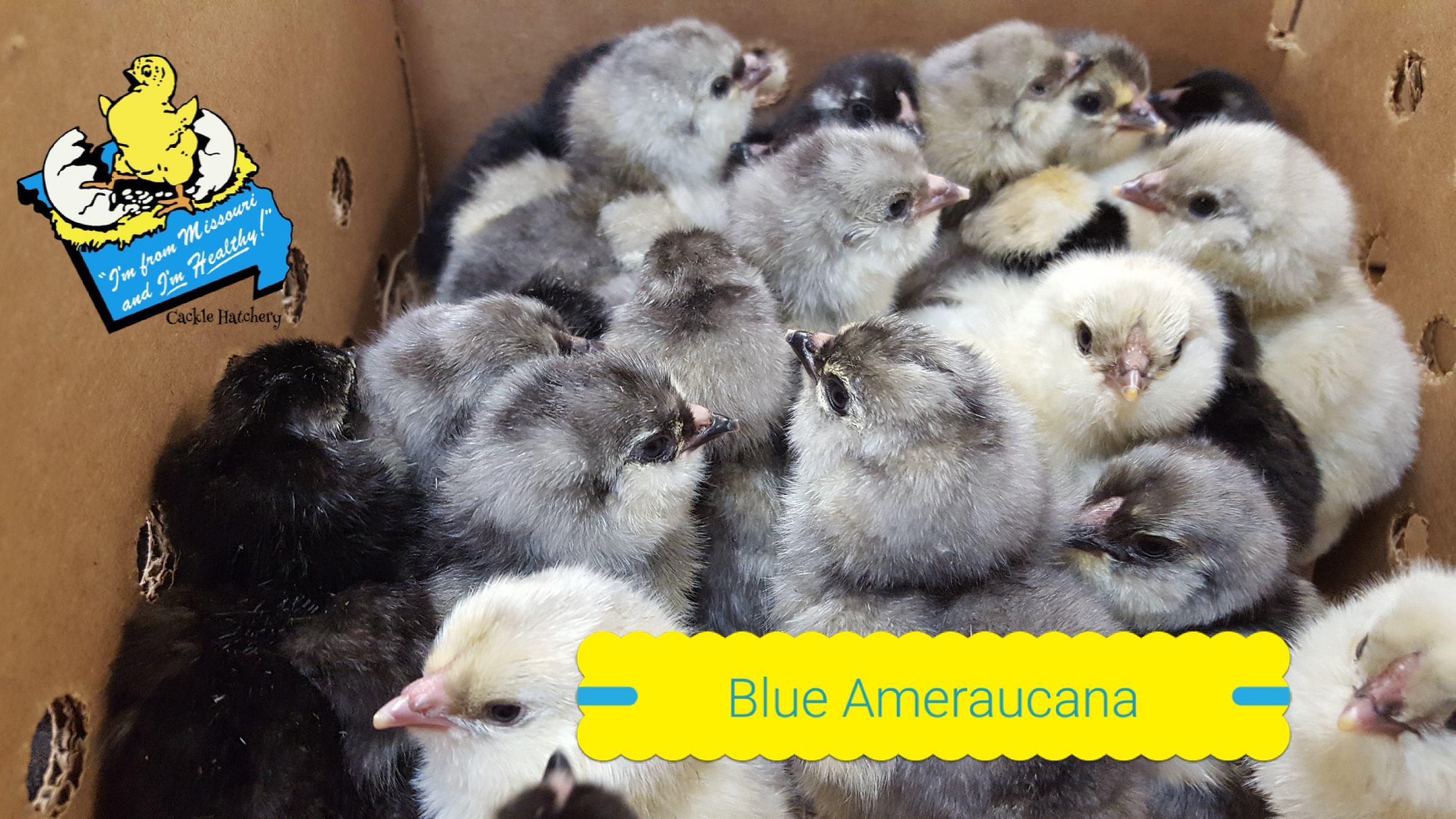
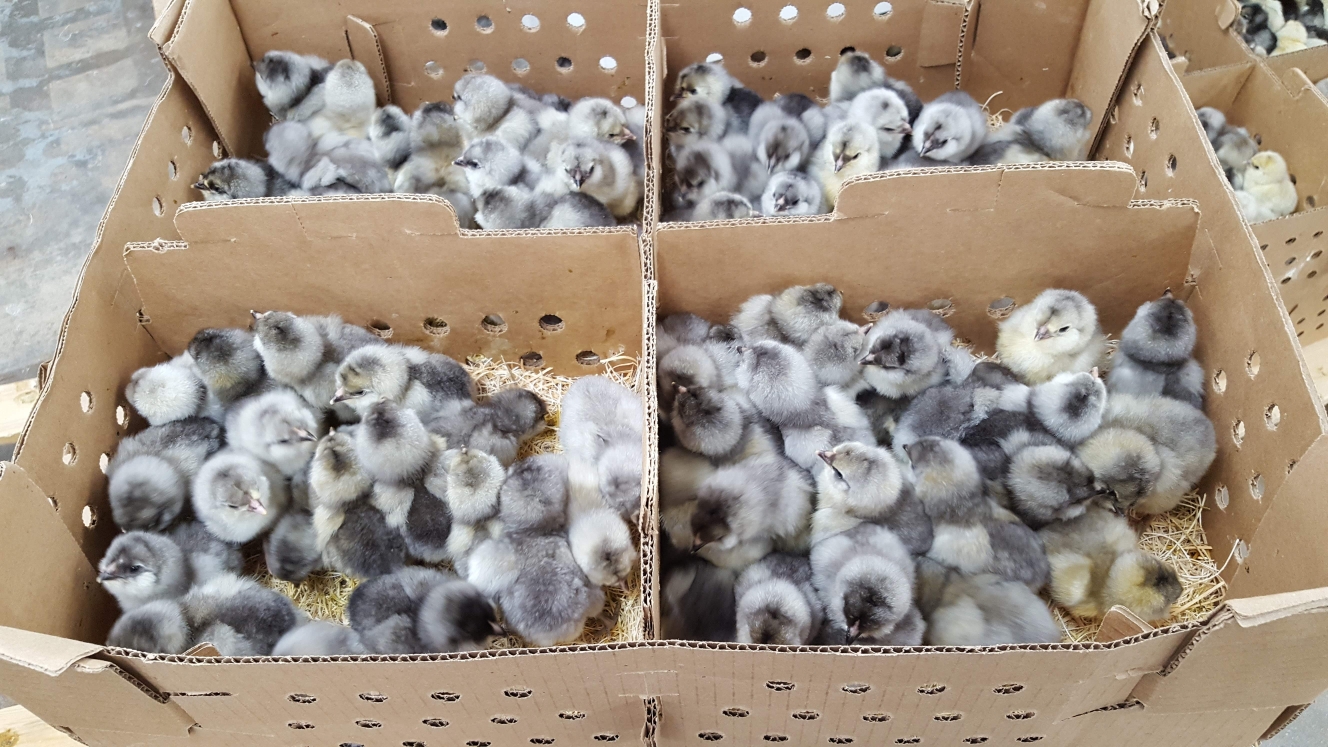
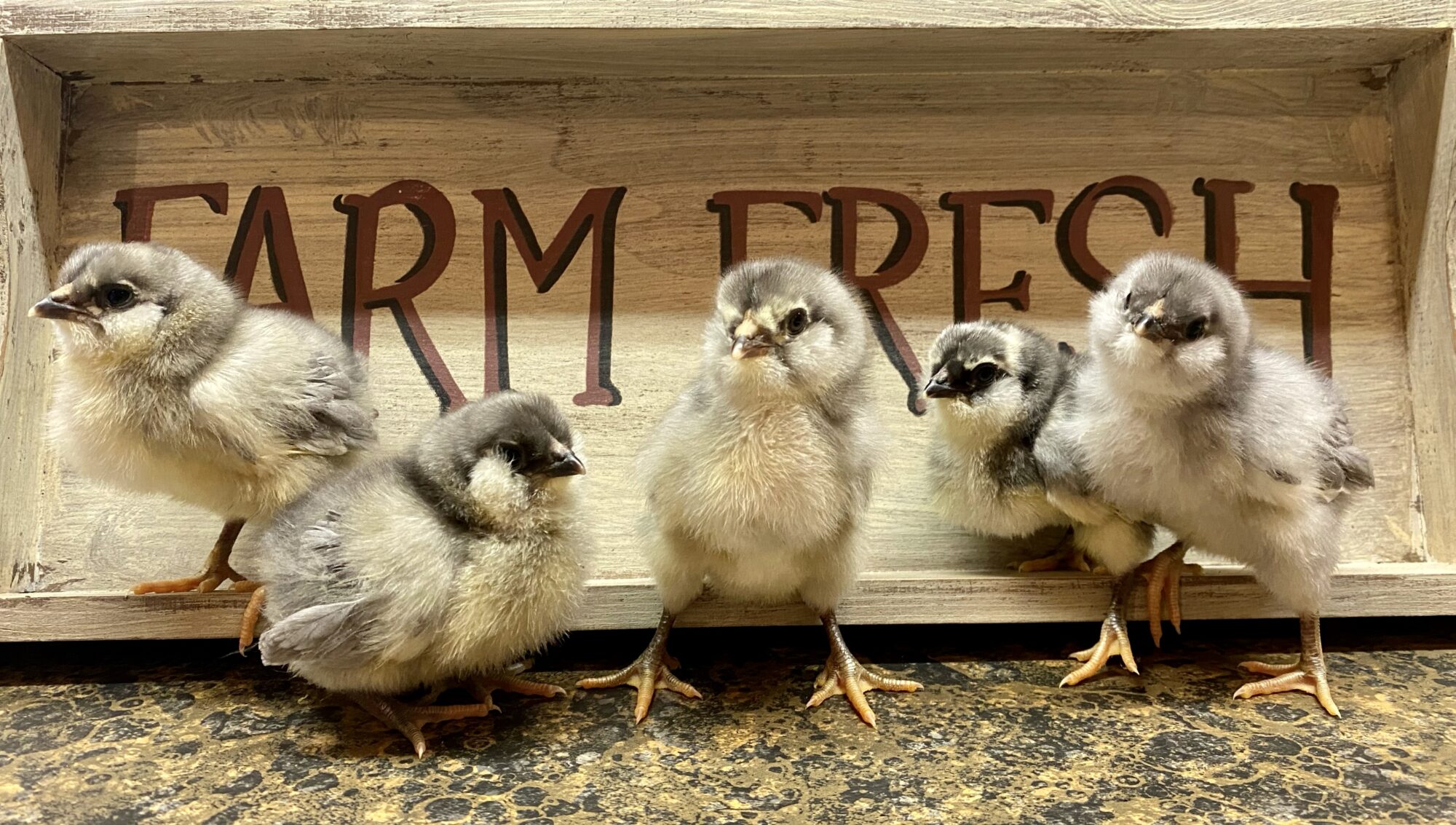
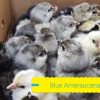
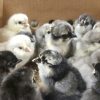
Because of this, customers should expect some variation in chick color, even when ordering Blue Ameraucanas. Cackle Hatchery® prioritizes sending as many blue chicks as possible, but black and splash may be included.
Egg Production and Performance
Blue Ameraucanas are reliable layers, producing approximately 180–200 medium to large eggs per year. Their eggs are a true pastel blue, though a small percentage may lay light green eggs.
They typically begin laying around 8–9 months of age, slightly later than commercial hybrids, but offer steady production once mature.
Temperament and Backyard Suitability
This breed is active and somewhat flighty, but manageable with consistent handling. They do well in backyard flocks and especially in free-range environments where they can forage.
They are non-setters, meaning they rarely go broody, which makes them better suited for egg production rather than natural incubation.
Breeding and Buyer Considerations
There are a few key realities buyers should understand:
- Color variation is normal due to blue genetics (you may receive black or splash chicks)
- Sexing accuracy is lower, averaging 75–80% compared to the typical 90%
- A small percentage (about 1 in 100) may develop scissor beak (cross beak), where the beak does not align properly
These aren’t deal-breakers—but they do matter if you’re managing expectations or selling to customers.
Availability and Ordering Strategy
This is a limited-supply breed and tends to sell out quickly. Customers should plan to order as early as late November for delivery between early February and early August.
FAQ
Do Blue Ameraucanas lay blue eggs?
Yes, they lay true blue eggs, with a small chance of light green. See a full list of our best blue egg layers
Why might I receive black or splash chicks?
Because the blue gene doesn’t breed true, blue-to-blue pairings produce multiple color variations.
Are Blue Ameraucanas the same as Easter Eggers?
No, they are a pure, APA-recognized breed, unlike Easter Eggers.
How accurate is sexing for this breed?
About 75–80%, which is lower than most breeds.
Are Blue Ameraucanas good for beginners?
Yes, if you understand their later laying age and genetic color variation.
Availability
Available Low Availability Unavailable
| Date |
Available? |
| 2026-04-29 |
|
| 2026-05-04 |
|
| 2026-05-05 |
|
| 2026-05-06 |
|
| 2026-05-11 |
|
| 2026-05-12 |
|
| 2026-05-13 |
|
| 2026-05-18 |
|
| 2026-05-19 |
|
| 2026-05-20 |
|
| 2026-05-25 |
|
| 2026-05-26 |
|
| 2026-05-27 |
|
| 2026-06-01 |
|
| 2026-06-02 |
|
| 2026-06-03 |
|
| 2026-06-08 |
|
| 2026-06-09 |
|
| 2026-06-10 |
|
| 2026-06-15 |
|
| 2026-06-16 |
|
| 2026-06-17 |
|
| 2026-06-22 |
|
| 2026-06-23 |
|
| 2026-06-24 |
|
| 2026-06-29 |
|
| 2026-06-30 |
|
| 2026-07-01 |
|
| 2026-07-06 |
|
| 2026-07-07 |
|
| 2026-07-08 |
|
| 2026-07-13 |
|
| 2026-07-14 |
|
| 2026-07-15 |
|
| 2026-07-20 |
|
| 2026-07-21 |
|
| 2026-07-22 |
|
| 2026-07-27 |
|
| 2026-07-28 |
|
| 2026-07-29 |
|
| 2026-08-03 |
|
| 2026-08-04 |
|
| 2026-08-05 |
|
| 2026-08-10 |
|
| 2026-08-11 |
|
| 2026-08-12 |
|
| 2026-08-17 |
|
| 2026-08-18 |
|
| 2026-08-19 |
|
| 2026-08-24 |
|
| 2026-08-25 |
|
| 2026-08-26 |
|
| 2026-08-31 |
|
| 2026-09-01 |
|
| 2026-09-02 |
|
| 2026-09-07 |
|
| 2026-09-08 |
|
| 2026-09-09 |
|
| 2026-09-14 |
|
| 2026-09-15 |
|
| 2026-09-16 |
|
| 2026-09-21 |
|
| 2026-09-22 |
|
| 2026-09-23 |
|
| 2026-10-05 |
|
| 2026-10-06 |
|
| 2026-10-07 |
|
| 2026-10-12 |
|
| 2026-10-13 |
|
| 2026-10-14 |
|
| 2026-10-19 |
|
| 2026-10-20 |
|
| 2026-10-21 |
|















Rachel Manciocchi –
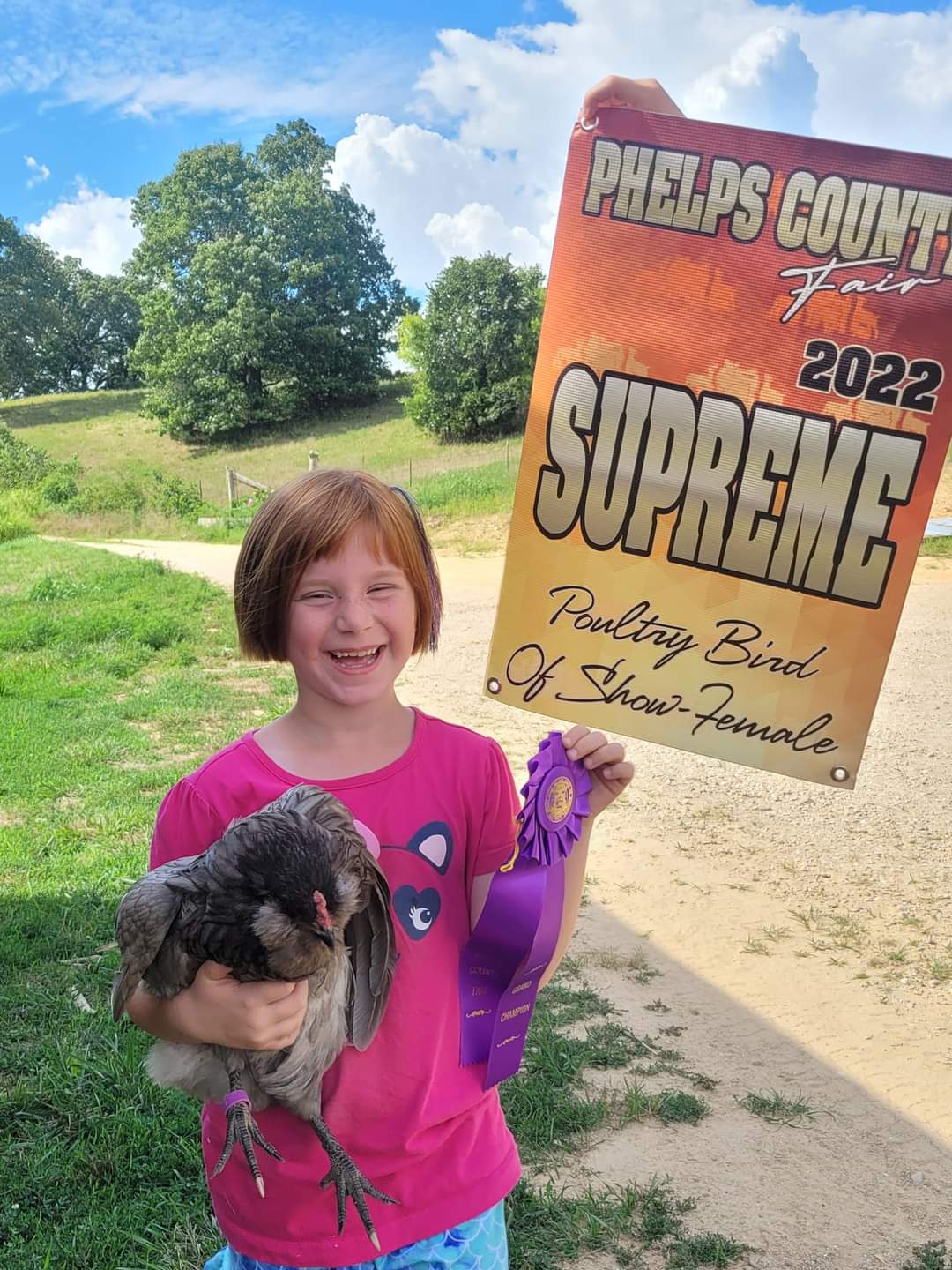
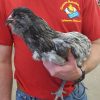
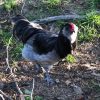
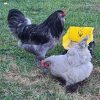
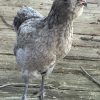
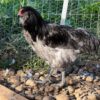
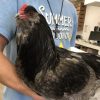
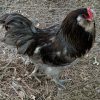
One chick arrived with problems I had to nurse him for a few weeks, I didn’t think she would make it but she did. Fast forward 7 months, 3 of the 4 girls have crop issues. They are so full they weigh them down. They do not empty at night. I give them grit and help massage the crop. Makes me think they have issues with there breed. Makes me upset, don’t see them living to long.