











Description
Cayuga Duck
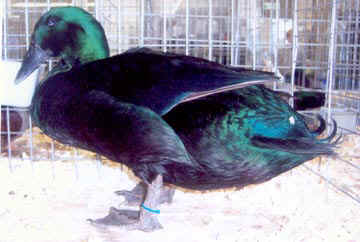
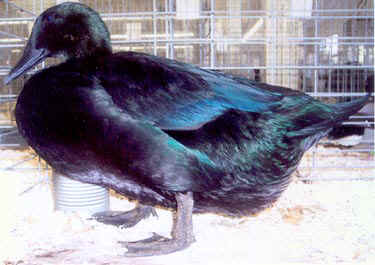
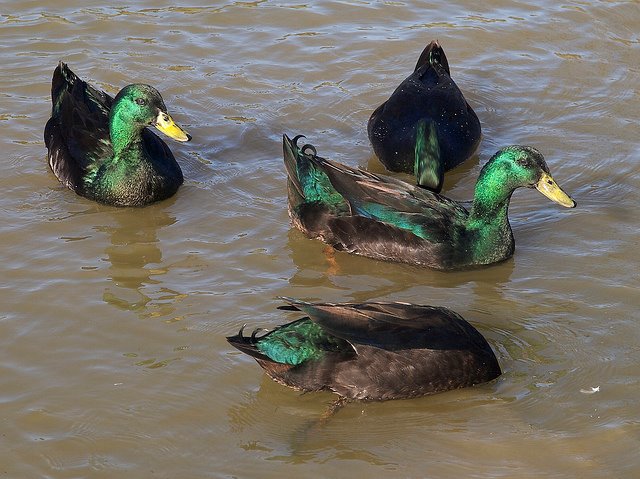
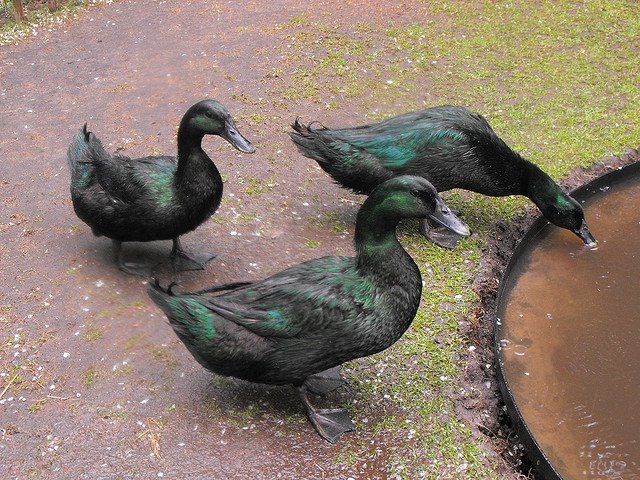
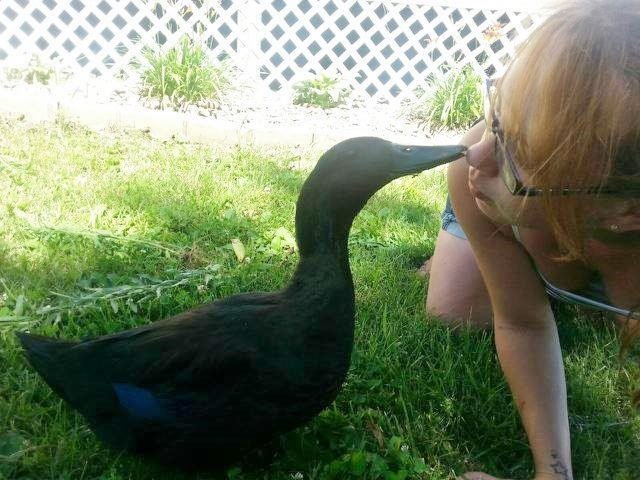
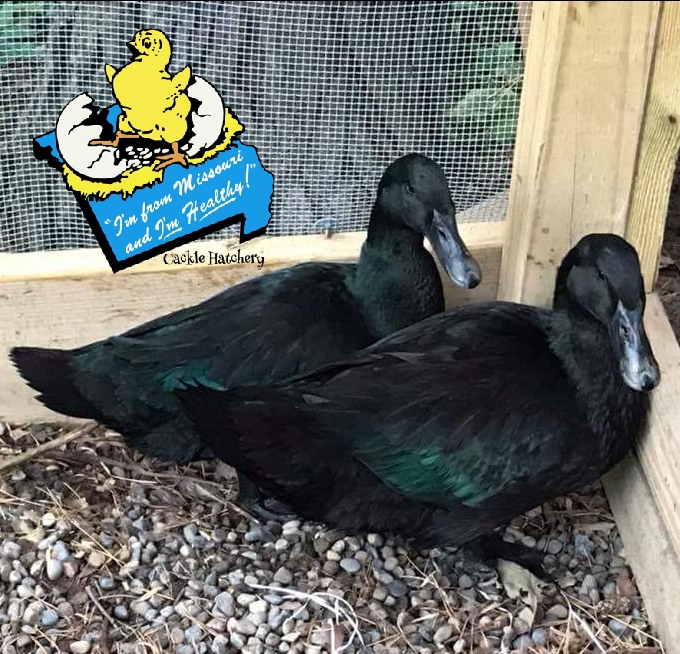
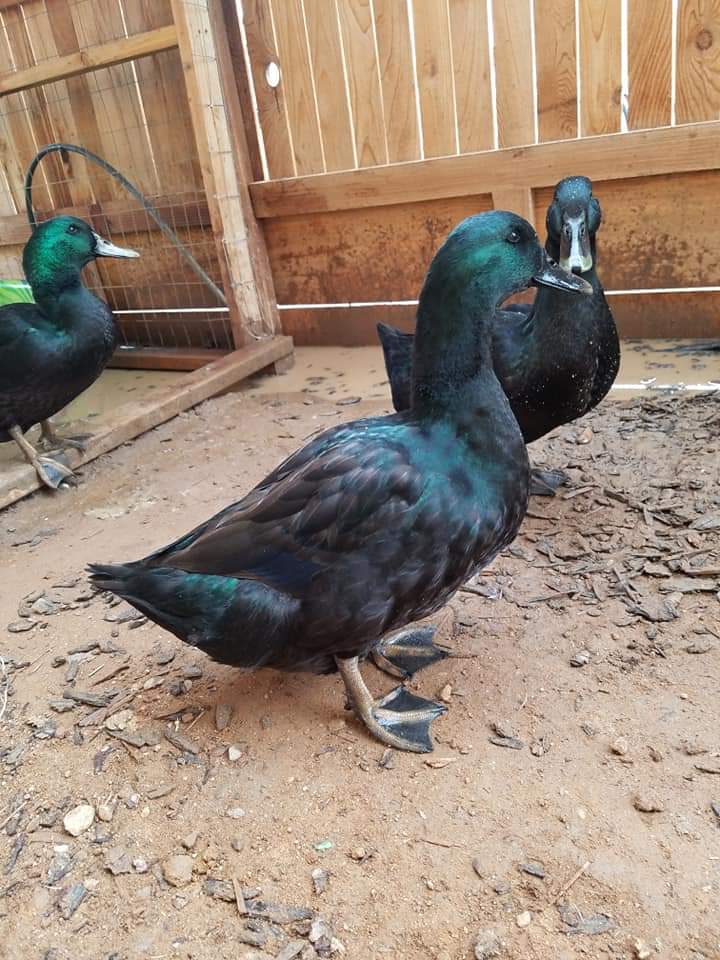
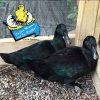
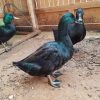
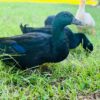
The Cayuga Duck is a beautiful, calm, and useful domestic duck known for its dark plumage and striking beetle-green sheen in the right light. Cayugas are popular with customers who want a duck that offers visual appeal, show potential, egg production, meat value, and strong foraging ability.
This breed does well in backyard flocks, homesteads, farms, and poultry show settings. Cayuga Ducks are active foragers, enjoy eating snails, slugs, and destructive insects, and are generally calm birds that do not fly.
This order ships from a different location through one of Cackle Hatchery®’s participating hatchery partners.
Cackle Hatchery® cannot ship ducks to Hawaii.
Breed Overview and Origin
The Cayuga Duck gets its name from Cayuga Lake in New York State, where the breed was once especially popular. Over time, the Cayuga became one of the best-known dark domestic duck breeds in the United States.
The American Poultry Association admitted the Cayuga Duck into the American Standard of Perfection in 1874. Since then, the breed has remained a favorite among customers who want a dual-purpose duck with show quality and a unique appearance.
Cayugas are used for both meat and egg production. In addition, they continue to perform well at poultry shows because of their color, type, and traditional breed appeal.
Appearance and Characteristics
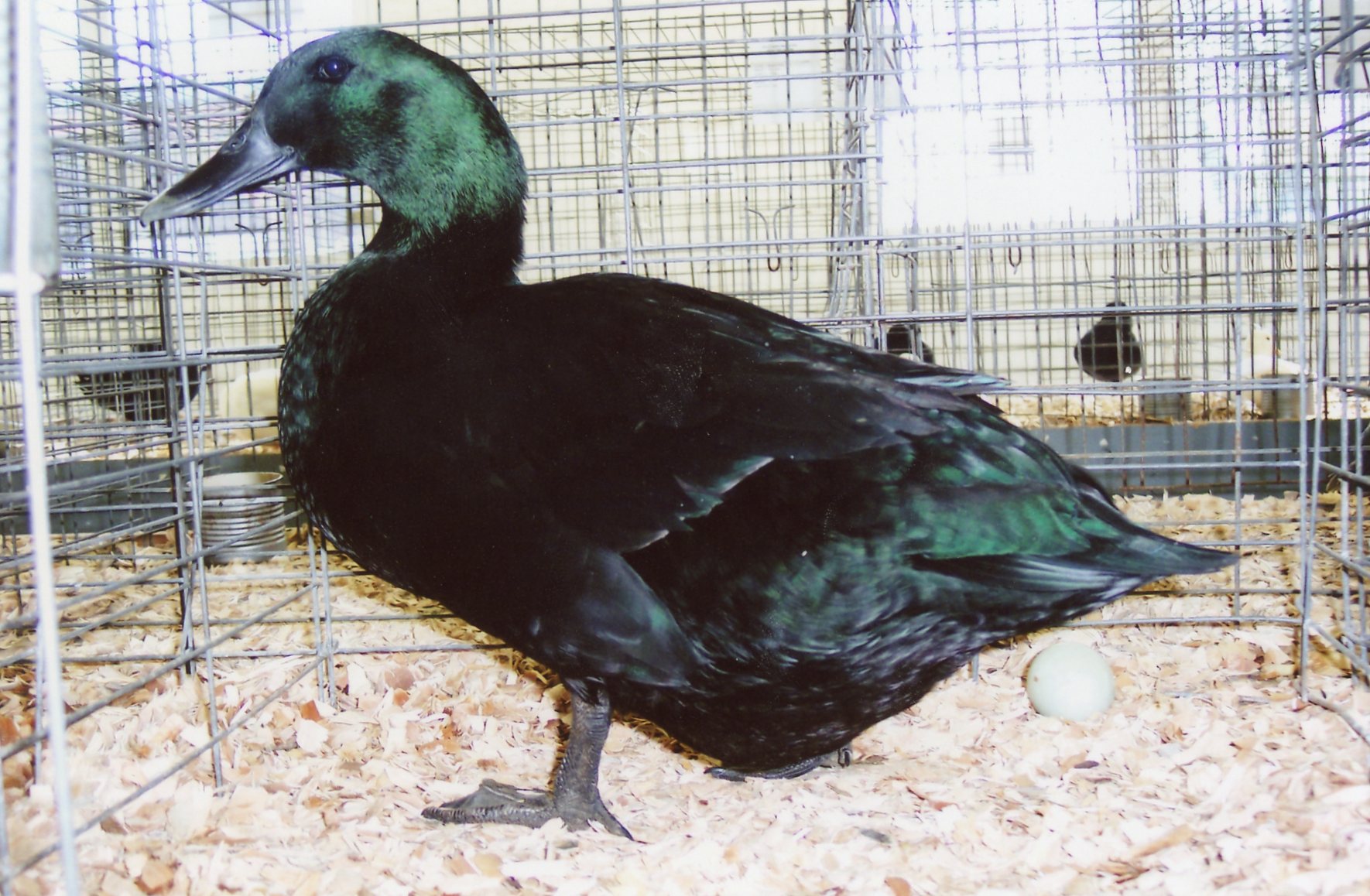
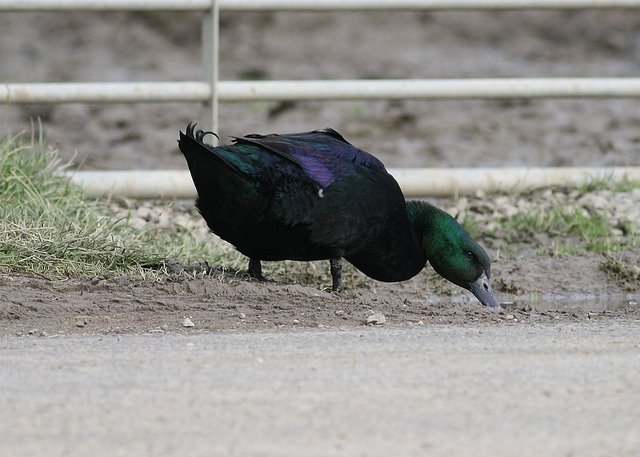
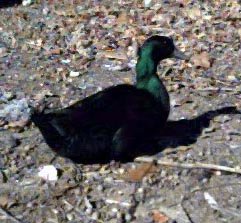
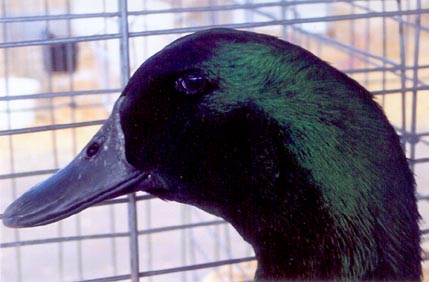
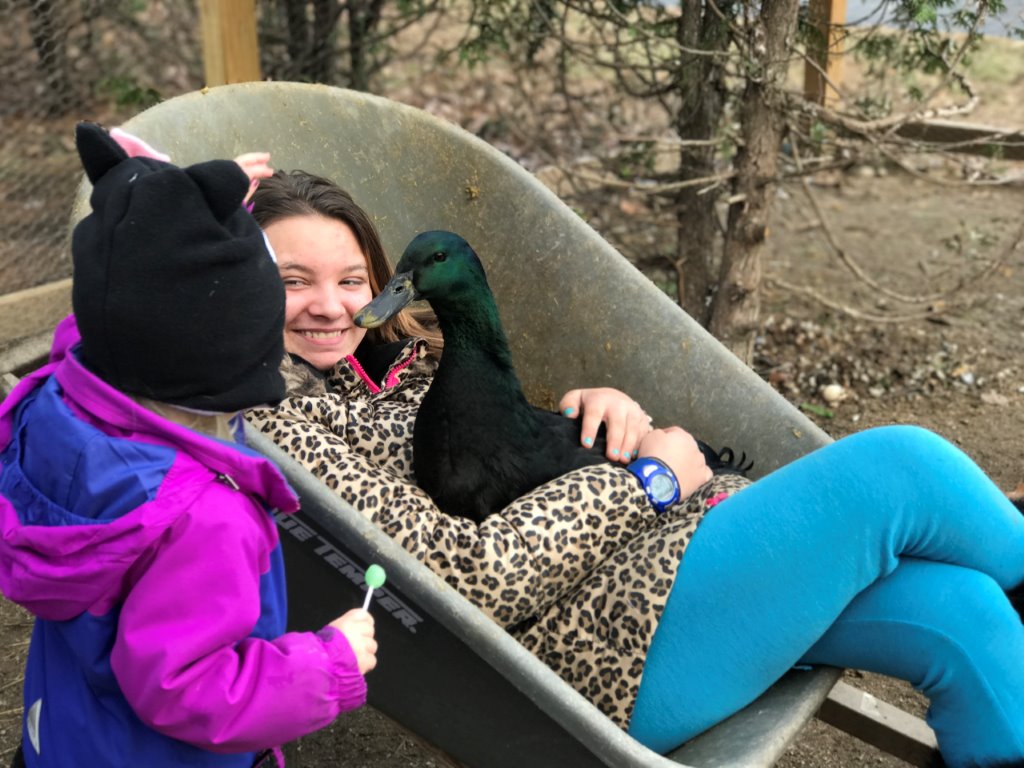
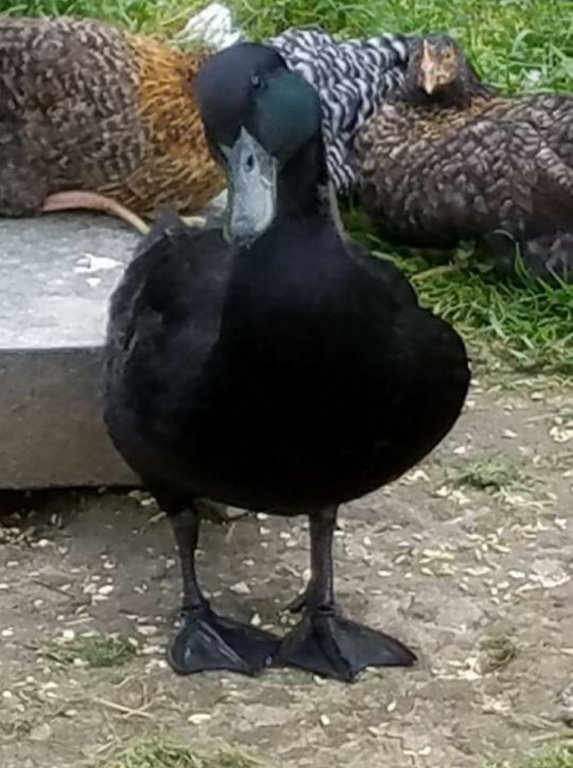
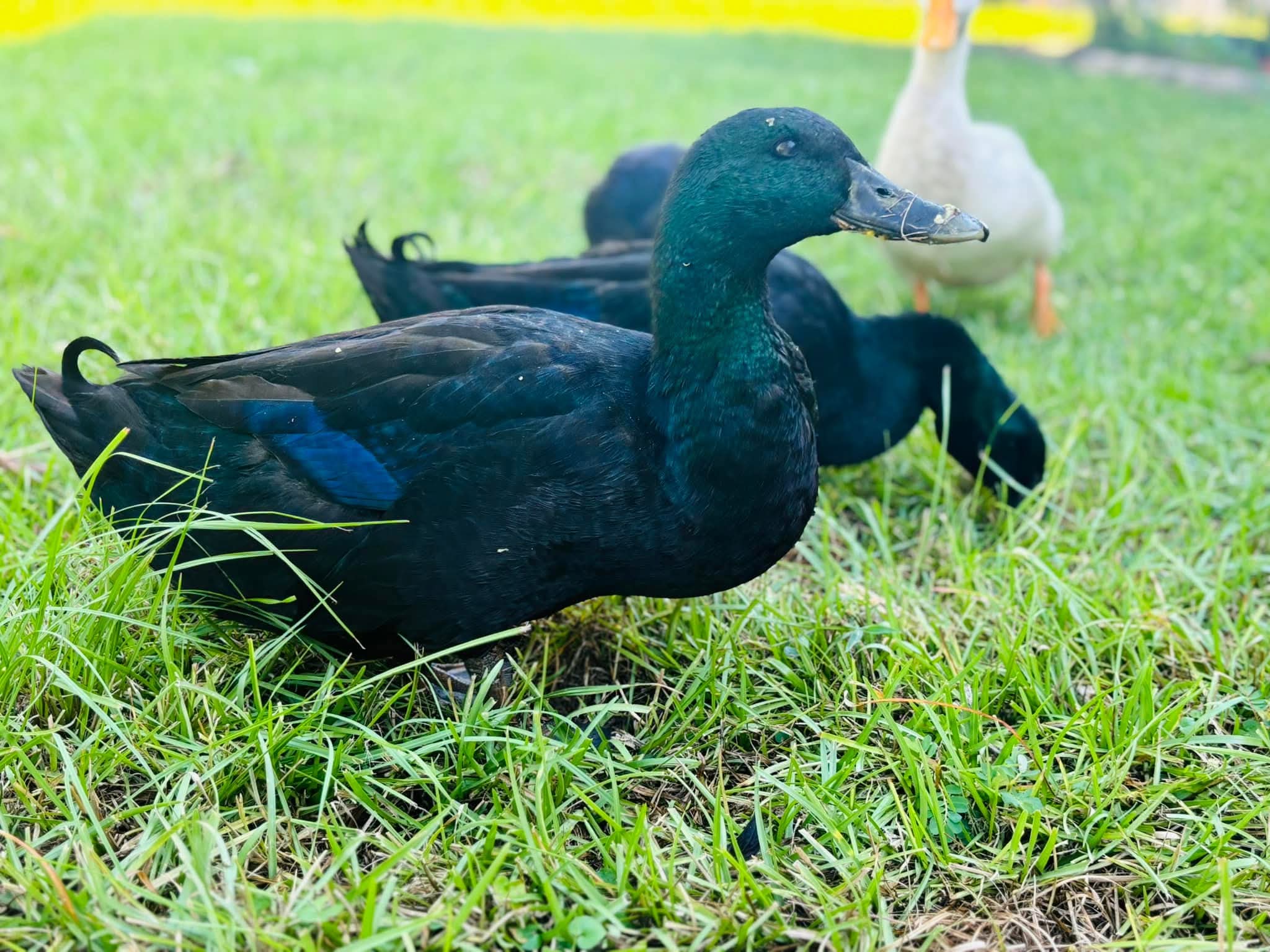
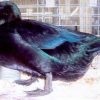
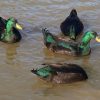
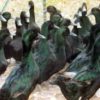
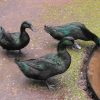
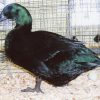
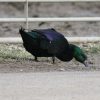
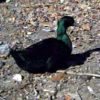
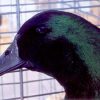
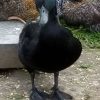
The Cayuga Duck is best known for its black feathers that shine with an iridescent beetle-green color when the light hits them correctly. This green sheen gives the breed a rich, eye-catching look that stands apart from white, brown, and patterned duck breeds.
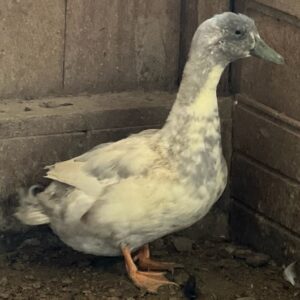
As Cayugas age, they naturally molt into more white feathering over time. This change often appears more noticeably in hens than in drakes. The added white feathering is a normal part of the breed’s aging process.
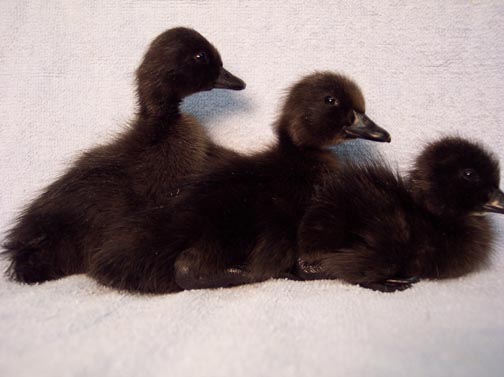
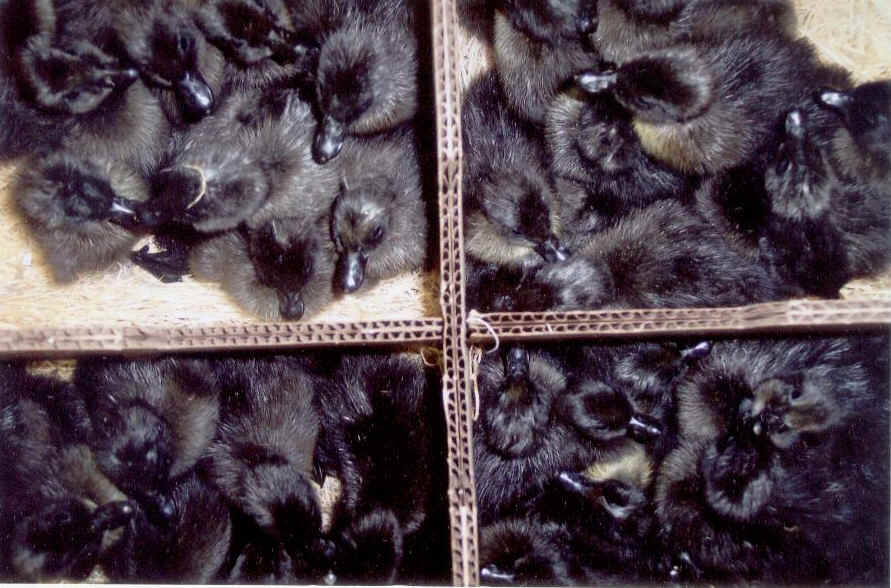
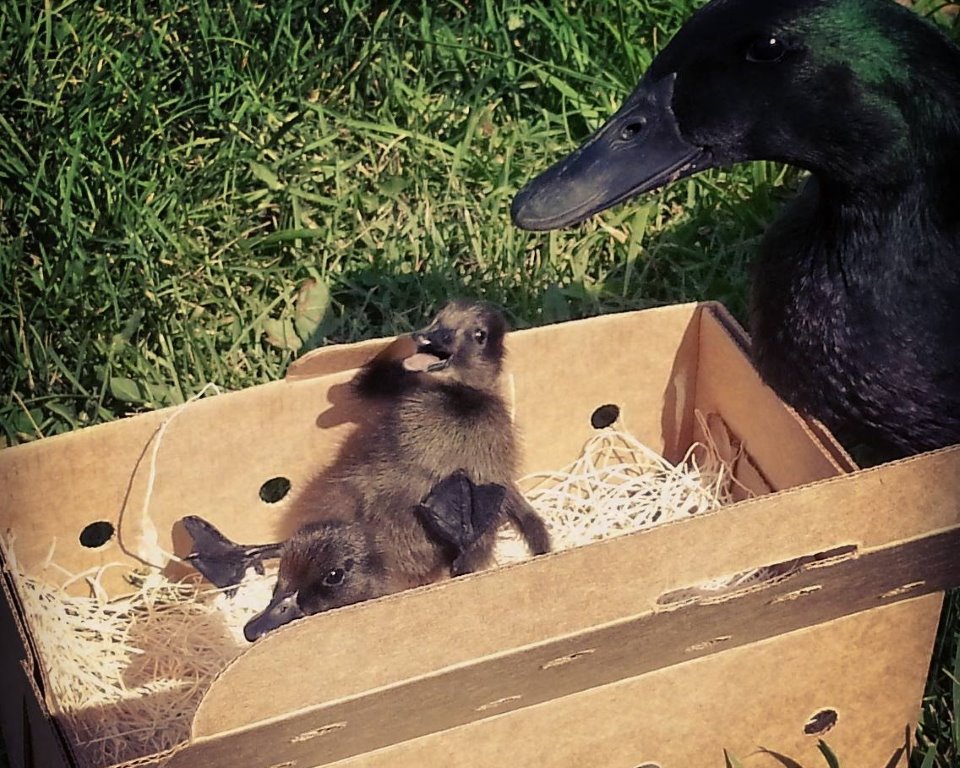
Young Cayugas often look very dark and glossy, while older birds may show a more mixed pattern of black, green, and white.
Egg Production
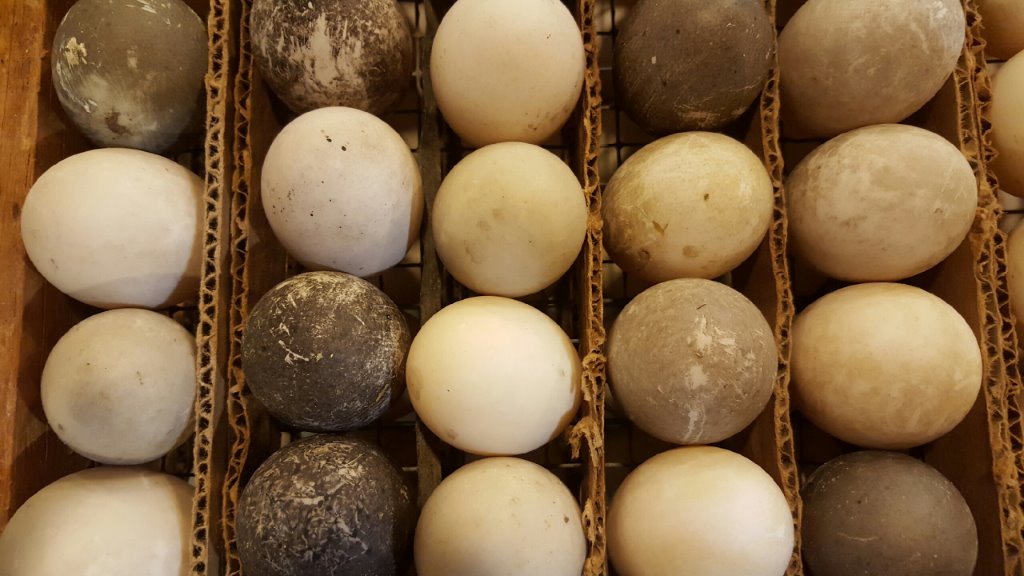
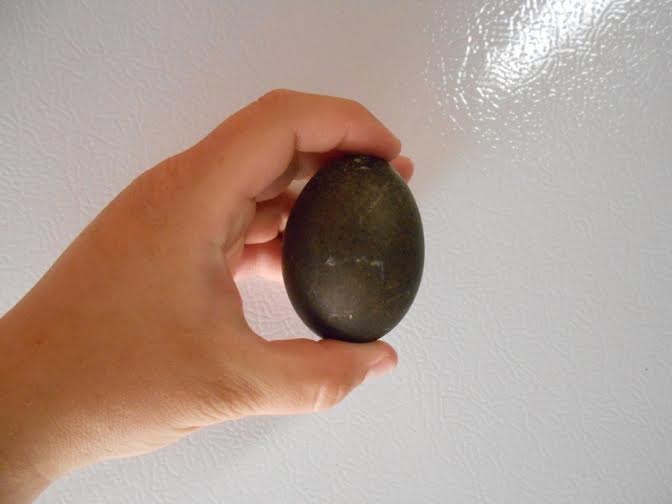
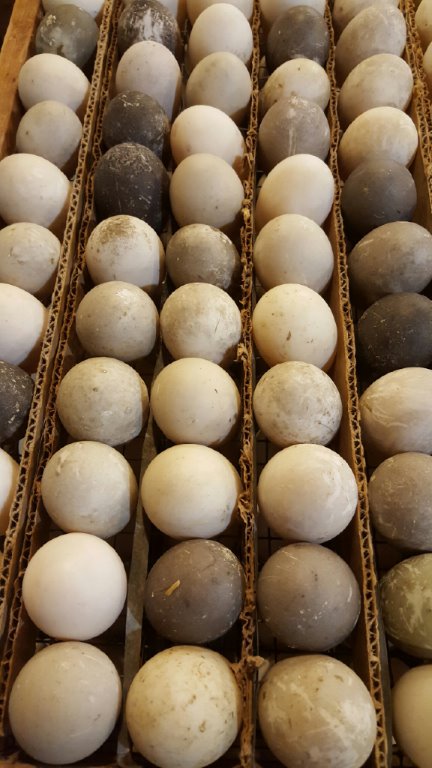
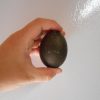
Cayuga Ducks can lay both white eggs and darker-looking eggs. The darker eggs are not truly dark-shelled eggs. Instead, the eggs have a dark film or coating on the outside of the shell.
This dark coating can make the eggs look especially interesting, particularly early in the laying cycle. Egg color may vary by hen, age, season, and laying stage.
For customers who enjoy unique egg baskets, Cayugas can add variety. However, customers who want the strongest egg production may also want to compare Khaki Campbell Ducks, Golden 300 Hybrid Layer Ducks, White Layer Ducks, and Welsh Harlequin Ducks.
Meat Value and Dual-Purpose Use
Cayuga Ducks are useful for both eggs and meat. Their body size and domestic duck build give them practical farm value, while their calm nature makes them easier to manage than many more flighty duck types.
Customers who want a dual-purpose duck with beauty may appreciate Cayugas. They are not plain production ducks. They bring utility, foraging ability, and show appeal in one breed.
Foraging and Insect Control
Cayuga Ducks are active foragers. They enjoy searching for snails, slugs, insects, greens, and other small food items when given safe outdoor access.
This can make them useful around farms, homesteads, gardens, orchards, and backyard areas. Their interest in snails, slugs, and destructive insects can be especially helpful for customers who want ducks that stay busy outdoors.
Even so, foraging should support a balanced feeding program rather than replace it. Cayugas still need proper duck or waterfowl feed, clean water, safe shelter, and predator protection.
Temperament and Flock Behavior
Cayuga Ducks are calm and manageable. They are also non-flying ducks, which makes them practical for many backyard and farm setups.
Their calm nature makes them enjoyable to keep, while their active foraging keeps them useful. This combination gives customers a duck that looks beautiful, works around the property, and fits well into many domestic flock settings.
A good Cayuga setup should include:
Clean drinking water
Balanced duck or waterfowl feed
Safe nighttime shelter
Dry bedding or resting areas
Predator protection
Shade in hot weather
Protection from wind and storms
Room for daily movement
Safe outdoor foraging access
Because ducks splash water often, customers should also plan for bedding management and water placement.
Show and Exhibition Value
The Cayuga Duck is one of the most popular ducks for showing. Its glossy green-black plumage, calm nature, and long-standing recognition make it a favorite for customers who enjoy poultry exhibitions.
Customers interested in showing Cayugas should study current show standards and select birds carefully as they mature. As with any show breed, exhibition goals may require attention to body type, color quality, condition, and overall presentation.
Cayuga Duck vs Black Swedish Duck
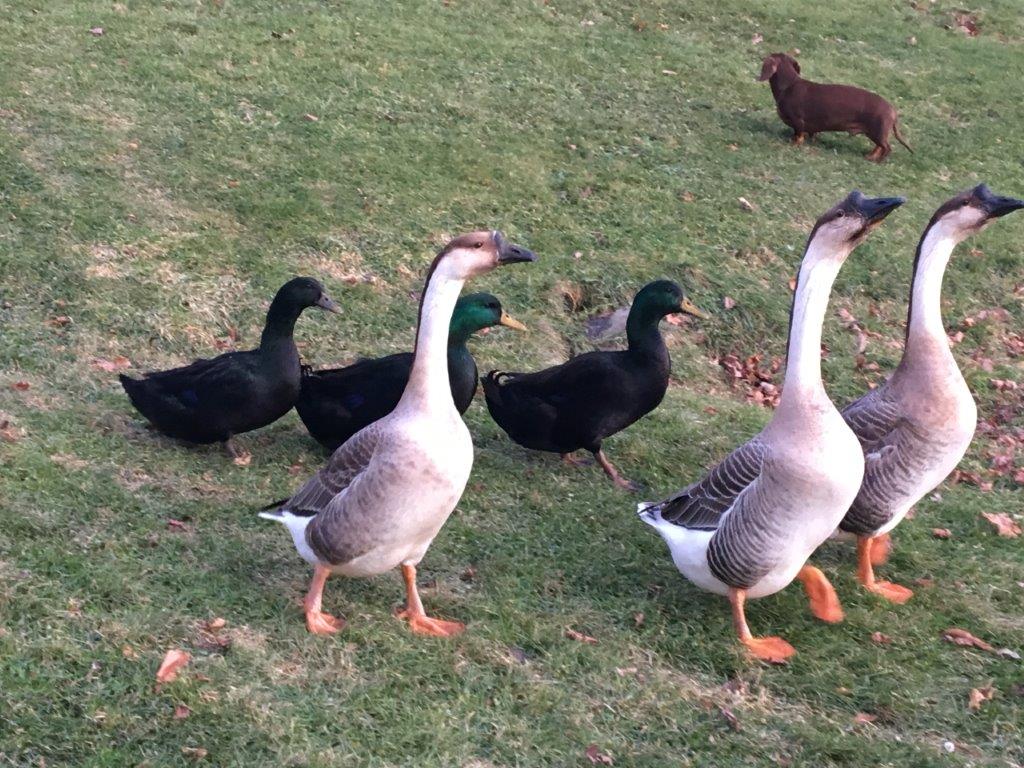
Cayuga Ducks and Black Swedish Ducks both appeal to customers who like dark-feathered ducks.
Choose Cayuga Ducks if you want a dark duck with a green iridescent sheen, American breed history, show popularity, and unique egg color interest.
Choose Black Swedish Ducks if you want a dark Swedish-type domestic duck with practical dual-purpose value and possible white bib markings.
Both breeds can add dramatic color to a backyard or farm flock.
Cayuga Duck vs Blue Swedish Duck
Cayuga Ducks and Blue Swedish Ducks both offer more unusual coloring than plain white duck breeds.
Choose Cayuga Ducks if you want black plumage with a green sheen and strong show appeal.
Choose Blue Swedish Ducks if you prefer blue-gray plumage, cold-climate hardiness, and a calm family-friendly duck.
Both can work well for backyard flocks, homesteads, and customers who want attractive domestic ducks.
Cayuga Duck vs Rouen Duck
Cayuga Ducks and Rouen Ducks are both useful domestic ducks, but they look very different.
Choose Cayuga Ducks if you want glossy black-green plumage, calm behavior, and strong show popularity.
Choose Rouen Ducks if you want a larger duck with Mallard-style coloring, ranch pond appeal, and dual-purpose use.
Both breeds can provide eggs, meat value, and backyard enjoyment.
Shipping Note
Cayuga Duck orders ship from a different location through one of Cackle Hatchery®’s participating hatchery partners.
Because this breed ships through a partner hatchery, customers should review ordering details carefully before placing an order. Availability, hatch dates, and shipping schedules may vary by season.
Cackle Hatchery® cannot ship ducks to Hawaii.
Duckling Care After Arrival
Before Cayuga ducklings arrive, customers should prepare a clean, warm, and safe brooder.
A proper duckling setup should include:
A secure brooder
A proper heat source
Clean drinking water
Duckling feed or appropriate waterfowl starter
Dry bedding
Enough room to move away from heat
Protection from drafts, pets, and predators
Ducklings should always have access to water when eating. However, customers should use a water setup that reduces splashing so the brooder stays as dry as possible.
As Cayuga ducklings grow, they need more room, better bedding management, and a safe outdoor transition area before moving outside full time.
Is This Breed Right for You?
Choose Cayuga Ducks if you want:
A calm domestic duck
A duck that does not fly
A dual-purpose breed for eggs and meat
A popular show duck
A duck named for Cayuga Lake, New York
A breed admitted to the American Standard of Perfection in 1874
A black duck with iridescent beetle-green sheen
A strong forager for snails, slugs, and insects
A duck that may lay white and darker-looking eggs
A beautiful backyard or homestead duck
Cayuga Ducks are not the best choice for customers who want a high-production egg layer, a fast-growing white meat duck, a flying Mallard-type duck, a tiny bantam duck, or ducklings shipped to Hawaii.
Recognition and Availability
Cackle Hatchery® offers Cayuga Ducks for customers who want a calm, useful, dark domestic duck with show value, foraging ability, and dual-purpose use.
Customers may also want to compare Black Swedish Ducks, Blue Swedish Ducks, Rouen Ducks, Pekin Ducks, Buff Ducks, Welsh Harlequin Ducks, and Cackle’s full Ducks for Sale category.
Related Ducks and Helpful Cackle Hatchery® Resources
If you like this breed, you may also want to compare Black Swedish Ducks, Blue Swedish Ducks, Rouen Ducks, Pekin Ducks, Buff Ducks, Khaki Campbell Ducks, Golden 300 Hybrid Layer Ducks, Welsh Harlequin Ducks, Hatchery Choice Duck Assortment, and Ducks for Sale.
Helpful Cackle resources include Duck Breeds List Comparison Chart, Sexing Ducklings and Goslings, 12 Benefits of Keeping Ducks, Duck Eclipse and Nuptial Molts — What Do They Mean?, Chicken Guarantees and Policies, Cackle Hatchery FAQ, and Availability Chart.
FAQ: Cayuga Duck
What is a Cayuga Duck?
A Cayuga Duck is a calm domestic duck known for glossy black feathers with an iridescent green sheen, dual-purpose use, show value, and active foraging.
Where did the Cayuga Duck get its name?
The Cayuga Duck gets its name from Cayuga Lake in New York State, where the breed was once very popular.
When did the American Poultry Association recognize Cayuga Ducks?
The American Poultry Association admitted the Cayuga Duck into the American Standard of Perfection in 1874.
Are Cayuga Ducks good for meat?
Yes. Cayuga Ducks are used for meat production and have practical dual-purpose value.
Are Cayuga Ducks good egg layers?
Cayuga Ducks can provide eggs for backyard and farm flocks, though production varies by bird, feed, daylight, season, age, and management.
What color eggs do Cayuga Ducks lay?
Cayuga Ducks can lay both white eggs and darker-looking eggs. The darker eggs have a dark film on the shell rather than a truly dark shell.
Why do some Cayuga eggs look dark?
Some Cayuga eggs look dark because of a dark coating or film on the outside of the shell.
What color are Cayuga Ducks?
Cayuga Ducks have black feathers that can shine with an iridescent beetle-green color in the correct light.
Do Cayuga Ducks turn white as they age?
Yes. Cayugas naturally molt into gradually more white feathering as they age, especially hens.
Are Cayuga Ducks good for poultry shows?
Yes. Cayuga Ducks are one of the most popular duck breeds for showing.
Are Cayuga Ducks good for insect control?
Yes. Cayuga Ducks are active foragers and enjoy eating snails, slugs, and other destructive insects.
Are Cayuga Ducks calm?
Yes. Cayuga Ducks are calm and manageable.
Can Cayuga Ducks fly?
Cayuga Ducks generally do not fly.
Do Cayuga Ducks ship from Cackle Hatchery®?
This order ships from a different location through one of Cackle Hatchery®’s participating hatchery partners.
Can Cayuga Ducks ship to Hawaii?
No. Cackle Hatchery® cannot ship ducks to Hawaii.


Amy Taylor –
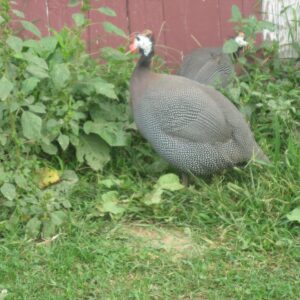
I ordered sexed females and received them, but both of them lay white eggs and not the gray ones I was expecting. I’m not sure if this is a sign they’re not pure breeds or if it’s just a variation but it’s a bummer since I ordered them specifically for their egg color. The ducks themselves are gorgeous and healthy.