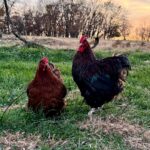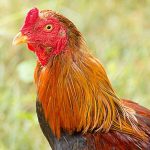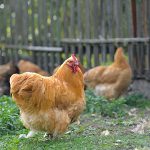
- Partridge English Orpingtons – Sold as Baby Chicks Only
Minimums – Not Sexed = 3
Female= 3
Male=1
Total of 3 birds to ship
Seasonal/Shipped Early Feb thru Mid August.
Limit of 5 Females and Males.
Limit of 10 Straight Run.
Minimums – Not Sexed = 3
Female= 3
Male=1
Total of 3 birds to ship
Seasonal/Shipped Early Feb thru Mid August.
Limit of 5 Females and Males.
Limit of 10 Straight Run.
Chicken keepers in the United States are a diverse bunch in such things as where they live, how many chickens they keep, and what they feed their flock. A paper published in Poultry Science offers some interesting insights about who, exactly, chicken keepers are. Urban or Rural Backyard chicken keepers in the United States are […]
Continue Reading
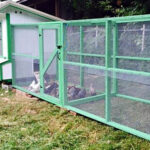
A mistake people often make when they buy or build their first chicken coop is making the coop too small. Nearly everyone says they wish they had a bigger coop. Here are nine reasons you may need a bigger chicken coop: Chicks Grow Fluffy little chicks are incredibly cute. But they grow really fast. As […]
Continue Reading
The Aseel chicken is an ancient game fowl from India. The name of this indigenous breed means trueborn or purebred. Aseels have an upright stance, square shanks, and short legs set wide apart. Their ears are red, and they have a pea comb and minimal wattles. These slow-growing chickens have well developed muscles, although their […]
Continue Reading
Deciding if you should vaccinate your chickens depends on how likely they are to encounter infectious diseases. You may not need to vaccinate if you maintain impeccable biosecurity, because doing so significantly reduces your flock’s risk of acquiring a disease. Unfortunately, many backyard chicken keepers either don’t know about biosecurity or just don’t think it’s […]
Continue Reading
Biosecurity for chickens includes all precautions you take to protect your flock from coming down with a disease. The more precautions you take, the better chance your chickens have to remain healthy. The fewer precautions you take, the greater the risk that one day some disease will affect your flock. So what are these precautions […]
Continue Reading
In past blogs we’ve looked at different forms of cannibalism and the causes of cannibalism. But, despite your best efforts, your chickens persist in pecking one another. So let’s take a look at how to control cannibalism in chickens once it gets started. Identify the Perp At the first sign of picking, remove the injured […]
Continue Reading
Cannibalism is the disagreeable habit chickens have of pecking one another until they draw blood. And then pecking some more. Chickens may engage in any one of six forms of cannibalism, varying by age and gender. Toe Picking — Chicks Toe picking is a common problem among chicks. It can occur in a brooder where […]
Continue Reading
The best number of chickens for your backyard flock relates to both your goal in having chickens and the type of environment you can provide. Here are four ways to determine the best number of chickens for your flock. Local Regulations First find out how many chickens you can legally have. Local regulations, such as […]
Continue Reading
Preventing heat stress in your backyard chicken flock involves a combination of commonsense management measures. The following seven simple strategies will help your chickens stay cool in summer. Heat Tolerant Breeds If you live in a climate that’s warm year-around, you might consider keeping a heat tolerant breed. Some chicken breeds naturally tolerate warm weather […]
Continue Reading