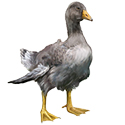
Angel wing is a condition in which the flight feathers of one or both wings of a duck or goose twist away from the body. It occurs when either the primary feathers overlap in reverse order — over each other, rather than under, from outer to inner feather — or, more commonly, the entire last […]
Continue Reading
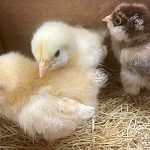
Four traditional methods are used to tell male and female chicks apart. Which method is most appropriate for any specific batch of chicks depends on their breed and variety, their age, and the skill of the observer. Vent Sexing Vent sexing, also called cloacal sexing, is a method of determining a hatchling’s gender by examining […]
Continue Reading
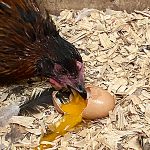
Egg eating is a nasty habit that, left unchecked, can spread from one hen to many or even all the hens in the flock. Not only do you lose eggs, you also end up with messy egg residue in the nests. Here are 10 reasons hens eat their own eggs, and how to stop them. […]
Continue Reading
Recent Media Videos Ozarks First Touring Cackle Hatchery Part 1 Ozarks First Touring Cackle Hatchery Part 2 Ozarks First Touring Cackle Hatchery Part 3 Ozarks First Touring Cackle Hatchery Part 4 Periodicals Raising Backyard Chickens: How to Start a Flock – Fox News Backyard Poultry Magazine Poultry Press An international newspaper devoted to […]
Continue Reading
Store Visiting Hours: 9:00 AM – 5:00 PM Monday – Friday Closed – Saturday and Sunday Explore More: FAQs – Help Learning Center Contact Cackle Hatchery® History / About Cackle Hatchery® Chicken Festival Media / Resources Request to Receive Notice of Special Prices or Deals and Discounts by Email Tour Cackle Hatchery®
Continue Reading
Store Visiting Hours: 9:00 AM – 5:00 PM CT Monday-Friday Closed: Saturday and Sunday Virtual Tour Mailing address: Cackle Hatchery PO Box 529 Lebanon , MO 65536 Physical address: Cackle Hatchery 411 West Commercial St. Lebanon , MO 65536 Additional Photo tours: Download time varies: Best viewed in high-speed DSL which takes 30-60 seconds […]
Continue Reading

Raising chickens for meat involves first deciding which to choose: Cornish broilers or a heritage breed. The fundamental difference is the amount of time needed to grow them from hatch to harvest. The quicker they grow to the target weight of about six pounds, the cheaper they are to raise and the more tender the […]
Continue Reading
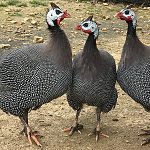
Guinea fowl are notorious for flying away, never to return. The problem is most likely to occur when guineas are moved to a new and unfamiliar location. Guinea fowl can be more easily encouraged to stay on the home place where they are raised. But getting them to stick around is more difficult when they […]
Continue Reading
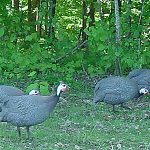
Many rural folks keep guinea fowl primarily to patrol for ticks and any other pesky insects they might snack on. When allowed to roam freely, a flock of guineas will effectively patrol a lawn, pasture, or edge of a woodlot. Just start up your lawn mower and guineas will gather to feast on whatever the […]
Continue Reading
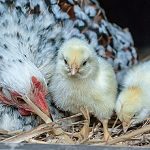
If a hen and her newly hatched chicks are left to wander around the poultry yard, the babies may fall prey to house cats, hawks, and other predators. And baby chicks can slip through most yard fences that are properly built to confine mature poultry. Chicks wandering around a yard can get chilled in damp […]
Continue Reading