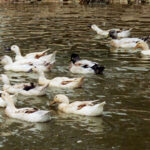
The Welsh Harlequin duck was developed in Wales in 1949 from a pair of light colored sports hatched from Khaki Campbell ducks. The breed was first imported to the United States in 1968 and admitted to the American Standard of Perfection in 2001. Physical Attributes Welsh Harlequins are slightly heavier than Khaki Campbells, but similar […]
Continue Reading
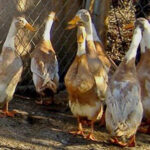
The Runner duck is an ancient breed known in the East Indies for at least 2,000 years. Its excellence lies in being a terrific layer that’s agile enough to easily herd over long distances. Runner ducks were traditionally kept in pens overnight. After the hens laid their eggs in the morning, the ducks were herded […]
Continue Reading
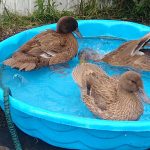
The Khaki Campbell duck came about when Adele Campbell of Gloucestershire, England, wanted a dual-purpose duck that laid well, but with a good-size body for roasting. The resulting duck breed first appeared in the late 1800s. The ducks’ buff-color plumage reminded Ms. Campbell of army uniforms, hence the name Khaki Campbell. Introduced to the United […]
Continue Reading
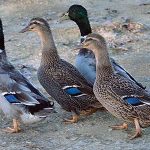
The Rouen duck originates from France, where farmers have raised the breed for hundreds of years. Rouens arrived in the United States in 1850 and were admitted to the American Standard of Perfection in 1874. Physical Attributes Rouens look like Mallards, only they are considerably larger. And they don’t fly nearly as well, making them […]
Continue Reading
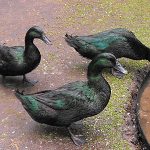
Mystery shrouds the origins of the Cayuga duck. Among the many legends, one claims the breed came from a pair of wild ducks in New York. Another claims the Cayuga derives from the ancient Black duck of Lancashire in the United Kingdom. Whatever the case, the duck gets its name from a Native American tribe […]
Continue Reading
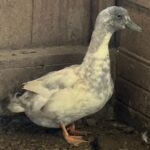
- Splash Swedish Duck – Sold as Baby Ducklings Only
Shipped Mid Feb thru June.
Minimum of 3 to ship.
Continue Reading
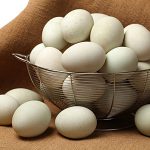
These days everyone seems to be talking about the benefits of duck eggs, which can be pretty pricey at the local farmers’ market. Luckily, when you keep your own ducks, you have ready access to freshly laid eggs. How well you like them depends to a great extent on how you handle your duck eggs […]
Continue Reading
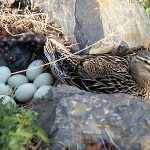
The natural color of wild duck eggs is greenish or bluish. That’s because eggs with tinted shells are easier to hide from predators. Many consumers, however, prefer eggs with white shells, presumably because white represents purity. Eggs with Blue-Green Shells Wild mallards lay eggs with blue-green shells. Domestic Mallards usually lay eggs with blue-green shells, […]
Continue Reading

FREE SHIPPING on all supply order totals exceeding $25.00.
Continue Reading
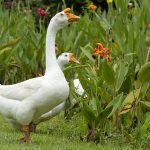
For some types of poultry, determining a bird’s gender is easy. Other times not so. Here’s a quick rundown on how to sex poultry, including chickens, turkeys, guinea fowl, ducks, and geese. Chickens Some baby chicks may be sexed at the time of hatch by differences in down color. Otherwise, the easiest way to sex […]
Continue Reading