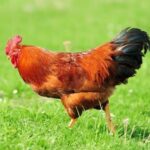
- Free Range New Hampshires – Sold as Baby Chicks Only
Minimums –
Not Sexed = 3
Female = 3
Male = 1
Total of 3 birds to ship
OUT OF STOCK FOR THIS SEASON
Continue Reading
Not Sexed = 3
Female = 3
Male = 1
Total of 3 birds to ship
OUT OF STOCK FOR THIS SEASON
Continue Reading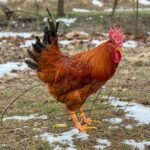
Not Sexed = 3
Female = 3
Male = 1
Total of 3 birds to ship
Seasonal/Shipped Feb thru mid August
Continue Reading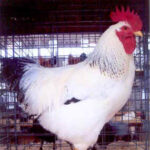
Not Sexed = 3
Total of 3 birds to ship
We have discontinued our breeding program for the Delaware X Hampshire Cross
Continue Reading
Every year during the third week of May, we get to shine a spotlight on International Heritage Breeds Week. It’s all about raising awareness for those endangered old-school poultry breeds that are hanging on by a thread. Get creative—host a little event in your area, or just share some photos of your flock. The goal? […]
Continue Reading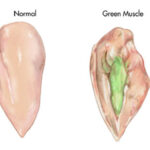
First, let’s dispense with a few myths. Green muscle disease is not a disease. It is a disorder involving muscle degeneration. Second, among chickens it affects only Cornish-cross broilers, but not other types of meat chickens. Third, it is not new, having been identified since 1968. And fourth, green muscle is highly preventable. What is […]
Continue Reading
By Cackle Hatchery Here at Cackle Hatchery® we are constantly fielding questions from our customers. Below are answers to 17 of the most common questions we hear about chickens and eggs. Why do chickens lay eggs? Chickens lay eggs to reproduce more chickens. However, unless a rooster is present, the eggs won’t be fertile and […]
Continue ReadingEnjoy your free downloadable gift for updating your dealer listing with us here at Cackle Hatchery! Click Here to Download As an added bonus after downloading feel free to print any Cackle Hatchery sales sheets for poultry you may need instore: PRINTABLE CHICK SALES SHEETS Tips for printing: Make sure your printer settings are set […]
Continue Reading
For exhibition purposes, large chicken breeds recognized by the American Poultry Association (APA) are organized into six classes. Most of the classes represent the geographic region where the breeds originated or were developed. Knowing a chicken’s APA class lets you infer a number of things about the breed, including temperament, laying ability, climate tolerance, and […]
Continue Reading
Chicken keepers often use abbreviations and assume their listeners know what they mean. Here are some of the more common chicken breed abbreviations, along with abbreviations for variety features and those used for show that may be puzzling when you see them in poultry publications, forums, and websites. Note that abbreviations may be combined to […]
Continue Reading
Like a lot of chicken keepers, you might want to include a variety of breeds in your backyard flock. Maybe you look forward to gathering baskets full of colorful eggs. Or, rather than all one breed of the same color and type, you prefer a more interesting variety of colors, sizes, and personalities. Or maybe […]
Continue Reading


