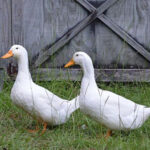
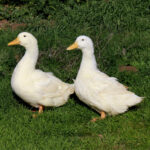
The White Pekin is the quintessential duck that most people think of when they hear the word “duck.” This big white duck derives from an ancient Chinese breed, the name of which translates as “ten-pound duck.” The first Pekins in the United States arrived in the early 1870s, hatched in the Chinese city of Peking, […]
Some duck breeds lay as well as chicken breeds. However, ducks kept mainly for meat or ornamental purposes do not lay nearly as well as those that have been selectively bred for their laying ability. Below is a look at how many eggs you can expect each duck breed to lay per year. How Many […]
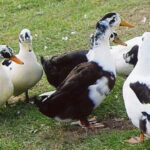
The Ancona duck originated in the 1910s, yet remains a rare breed that has never been listed in the American Standard of Perfection. Cackle Hatchery® is one of its few long-term breeders, having maintained Ancona genetics since 1977. Physical Attributes Anconas are typically white and black, or any combination of white and color, in irregular […]
Ducks, like other birds, periodically replace their worn-out feathers with a full set of fresh plumage in a process called molting. Young ducks go through two consecutive molts. After maturity, the hens renew their feathers annually, while the drakes go through two annual plumage changes —the eclipse and nuptial molts. Most domestic duck breeds in […]
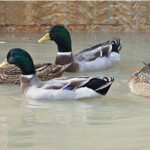
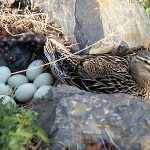
The natural color of wild duck eggs is greenish or bluish. That’s because eggs with tinted shells are easier to hide from predators. Many consumers, however, prefer eggs with white shells, presumably because white represents purity. Eggs with Blue-Green Shells Wild mallards lay eggs with blue-green shells. Domestic Mallards usually lay eggs with blue-green shells, […]