


















Description
Blue Swedish Duck
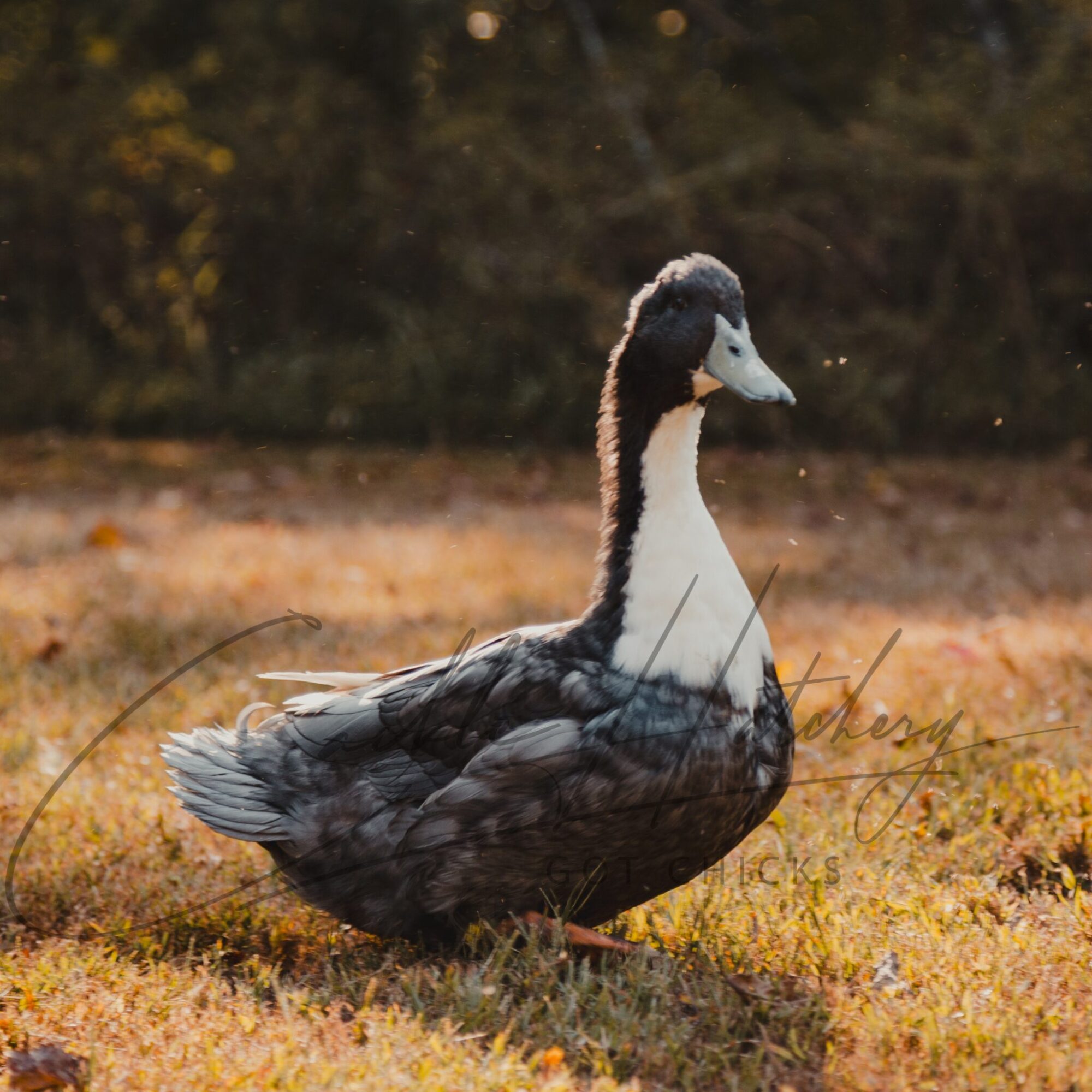
The Blue Swedish Duck is a hardy, calm, and attractive domestic duck with beautiful blue-gray plumage. As one of the older domesticated duck breeds, the Blue Swedish remains a favorite for customers who want a practical duck that is easy to raise, enjoyable to keep, and appealing in a backyard or farm flock.
Blue Swedish Ducks are known for their good nature, cold-climate hardiness, and family-friendly temperament. Their unique coloring also gives them a softer, more natural look than plain white duck breeds.
This order ships from a different location through one of Cackle Hatchery®’s participating hatchery partners.
Cackle Hatchery® cannot ship ducks to Hawaii.
Breed Overview and Background
The Blue Swedish Duck is among the oldest domesticated duck breeds and continues to be popular today. Customers appreciate this breed because it combines beauty, usefulness, and a manageable temperament.
Blue Swedish Ducks adapt well to cold climates, which makes them a good choice for customers in areas with cooler seasons. With proper shelter, clean water, balanced feed, and predator protection, they can make a dependable addition to a farm, homestead, or backyard flock.
They are not just attractive ducks. They are also practical domestic waterfowl that can fit many flock goals.
Appearance and Characteristics
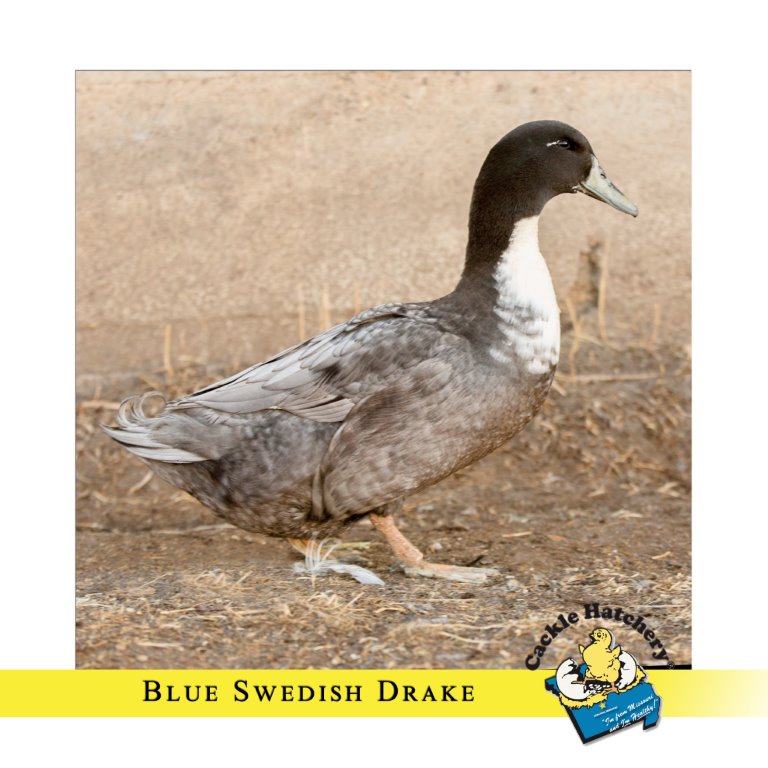
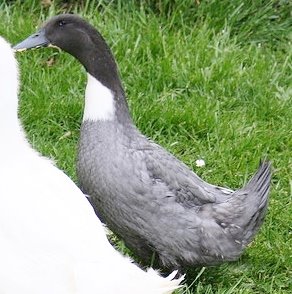
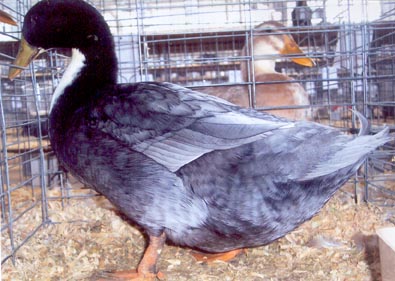
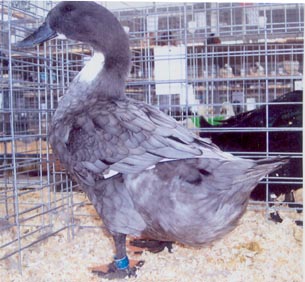
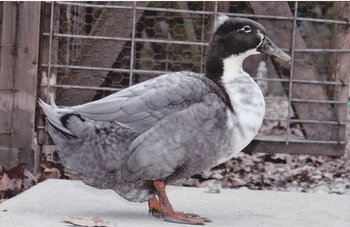
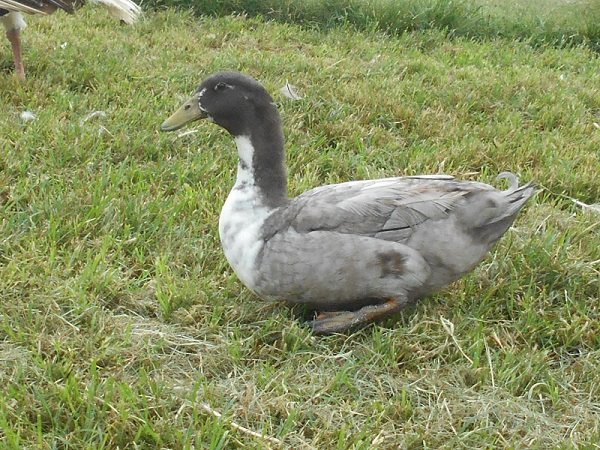
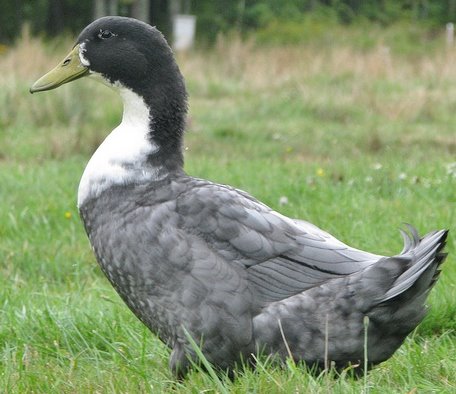
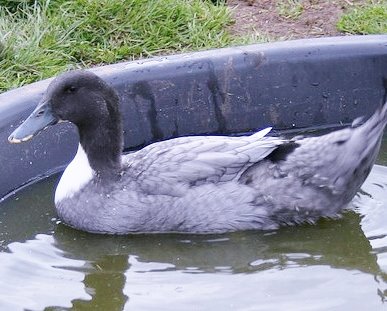
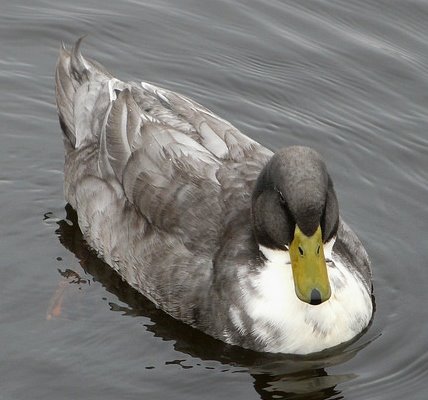
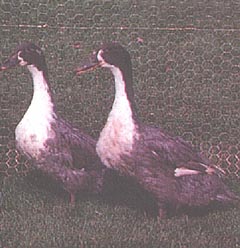
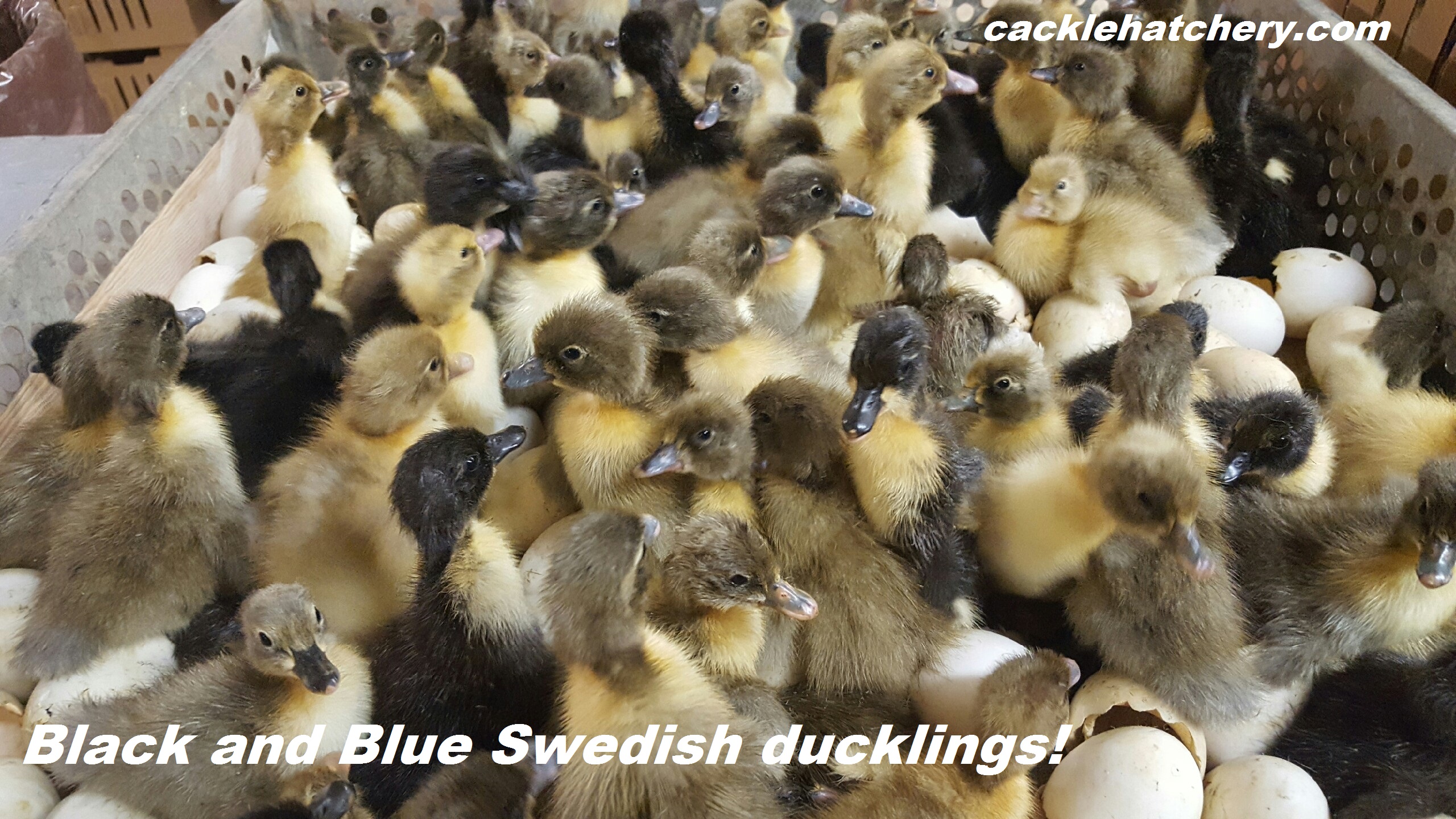
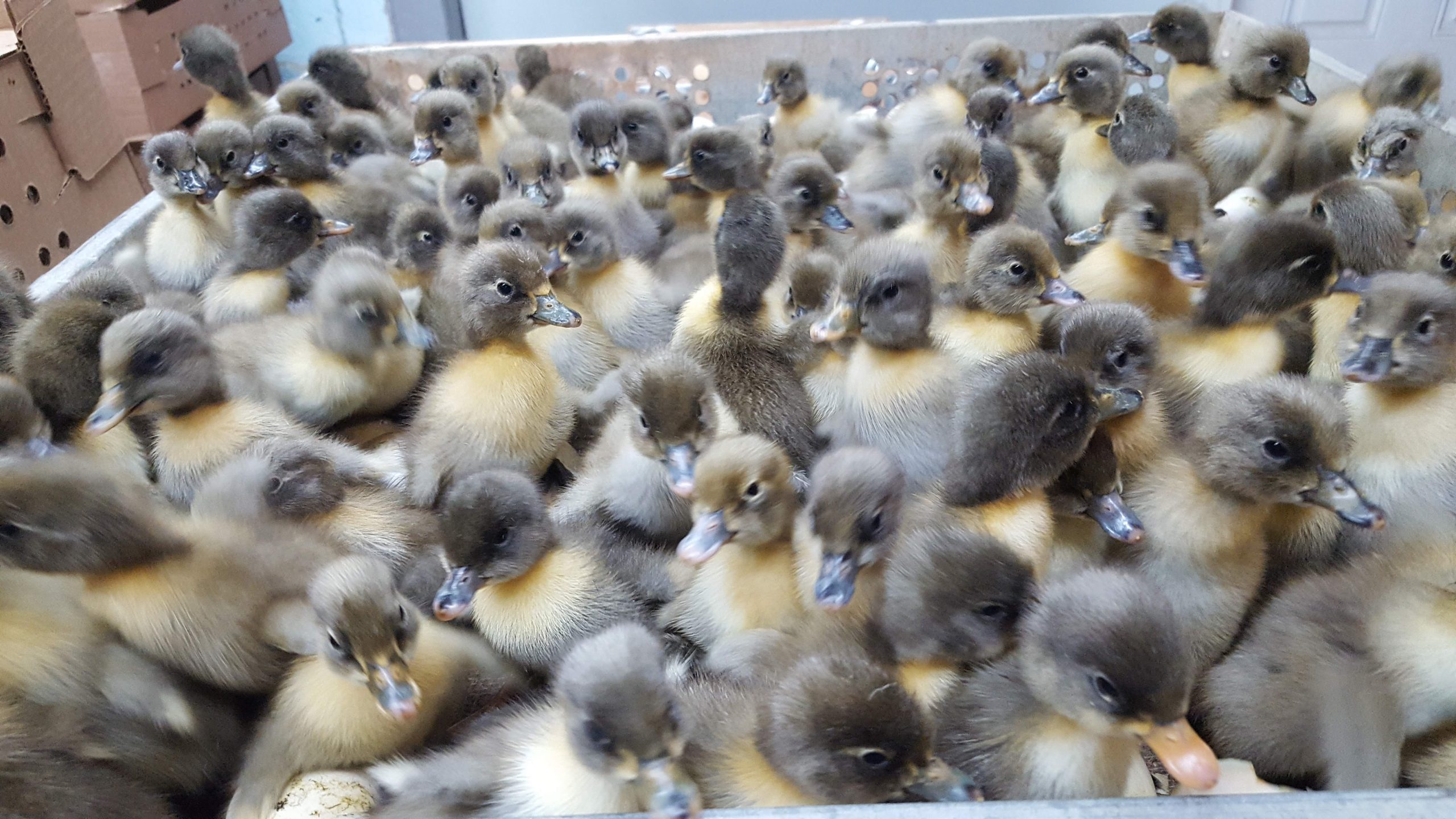
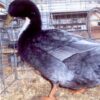
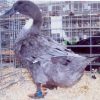
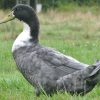
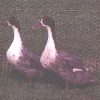
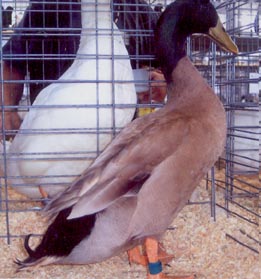
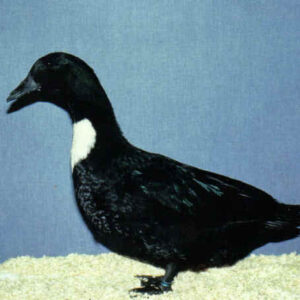
Blue Swedish Ducks have a distinctive bluish-gray appearance that helps them stand out in a mixed flock. Their color can range in shade, giving the flock a natural variety.
This blue-gray plumage does more than add beauty. It can also help the ducks blend into their surroundings, making them harder for predators to single out compared with brighter-colored ducks in some outdoor settings.
Even so, natural camouflage should never replace good predator protection. Customers should still provide secure nighttime housing, fencing where needed, and safe outdoor management.
Temperament and Family Value
Blue Swedish Ducks are good-natured and calm. That temperament makes them a strong choice for families, backyard duck keepers, and customers who want a duck that is enjoyable to manage.
Because they are typically calm, they can be especially popular with young children when adults supervise handling and care. Like all ducks, they still need gentle treatment, proper housing, and a steady routine.
Their calm nature also helps them fit into backyard flocks, homesteads, and small farms where customers want ducks that are fun to watch but not overly difficult to manage.
Egg Production and Utility
Blue Swedish Ducks can offer useful farm and backyard value. They are commonly kept for eggs, general flock enjoyment, pond beauty, and practical domestic duck use.
Egg production can vary based on feed, daylight, age, season, weather, stress, and flock management. However, customers who want ducks for both usefulness and appearance may find Blue Swedish Ducks a good all-around choice.
Customers focused heavily on egg production may also want to compare Khaki Campbell Ducks, Golden 300 Hybrid Layer Ducks, White Layer Ducks, and Welsh Harlequin Ducks.
Cold-Climate Hardiness
Blue Swedish Ducks adapt well to cold climates. Their hardy nature makes them a good option for customers who want ducks that can handle cooler weather with proper care.
In cold weather, they still need shelter from wind, wet bedding, ice, and extreme conditions. Customers should keep water available, provide dry resting areas, and make sure ducks can get out of harsh weather.
Hardy ducks still depend on good management. Therefore, housing, bedding, water access, and predator protection matter year-round.
About Breeding Blue
Blue feather color does not always breed true. When breeding blue-colored poultry or waterfowl, offspring may vary in color depending on the genetics of the parent birds.
Because of this, customers should expect some color variation if they raise or breed Blue Swedish Ducks. Some offspring may show blue-gray coloring, while others may look darker or lighter depending on the breeding pair.
This variation is normal for blue-colored breeding projects and can add interest to a flock. However, customers who need exact color outcomes should study blue genetics before setting up a breeding pen.
Blue Swedish Duck vs Black Swedish Duck
Blue Swedish Ducks and Black Swedish Ducks are closely related in type, temperament, and general usefulness. The biggest difference is color.
Choose Blue Swedish Ducks if you want bluish-gray plumage and a softer flock appearance.
Choose Black Swedish Ducks if you prefer darker black plumage and stronger color contrast.
Both varieties can work well for backyard flocks, family farms, homesteads, and customers who want calm domestic ducks.
Blue Swedish Duck vs Cayuga Duck
Blue Swedish Ducks and Cayuga Ducks both appeal to customers who like darker or more unusual duck colors.
Choose Blue Swedish Ducks if you want a calm, blue-gray domestic duck with cold-climate hardiness and family-friendly value.
Choose Cayuga Ducks if you want a dark duck known for its glossy greenish-black sheen and American breed history.
Both breeds add unique color to a flock. The better choice depends on the customer’s preferred look and flock goals.
Blue Swedish Duck vs Rouen Duck
Blue Swedish Ducks and Rouen Ducks can both work well for farms, ponds, and backyard flocks.
Choose Blue Swedish Ducks if you want a calm, hardy, blue-gray duck with a family-friendly temperament.
Choose Rouen Ducks if you want a larger duck with Mallard-style coloring, pond appeal, and dual-purpose value.
Both can be enjoyable domestic ducks, but Blue Swedish Ducks stand out for their unique blue-gray color and gentle nature.
Blue Swedish Duck vs Pekin Duck
Blue Swedish Ducks and Pekin Ducks serve different customer preferences.
Choose Blue Swedish Ducks if you want a colored domestic duck with calm temperament, cold-climate hardiness, and a distinctive look.
Choose Pekin Ducks if you want a classic white duck known for fast growth and meat value.
Both can work well in farm or backyard settings, but Blue Swedish Ducks appeal more to customers who want color, calm behavior, and a less common flock appearance.
Shipping Note
Blue Swedish Duck orders ship from a different location through one of Cackle Hatchery®’s participating hatchery partners.
Because this breed ships through a partner hatchery, customers should review ordering details carefully before placing an order. Availability, hatch dates, and shipping schedules may vary by season.
Cackle Hatchery® cannot ship ducks to Hawaii.
Duckling Care After Arrival
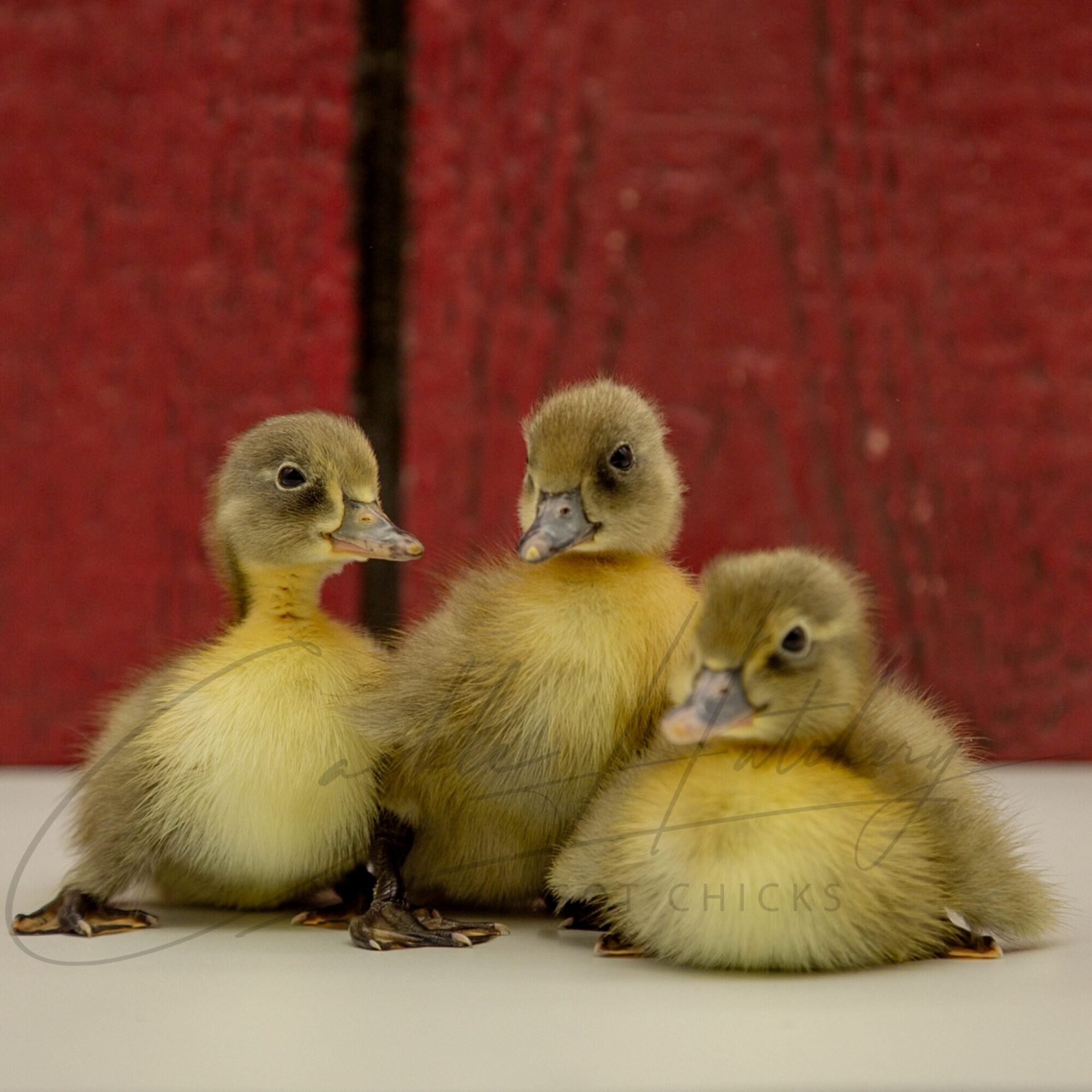
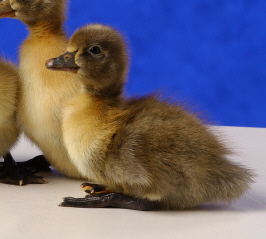
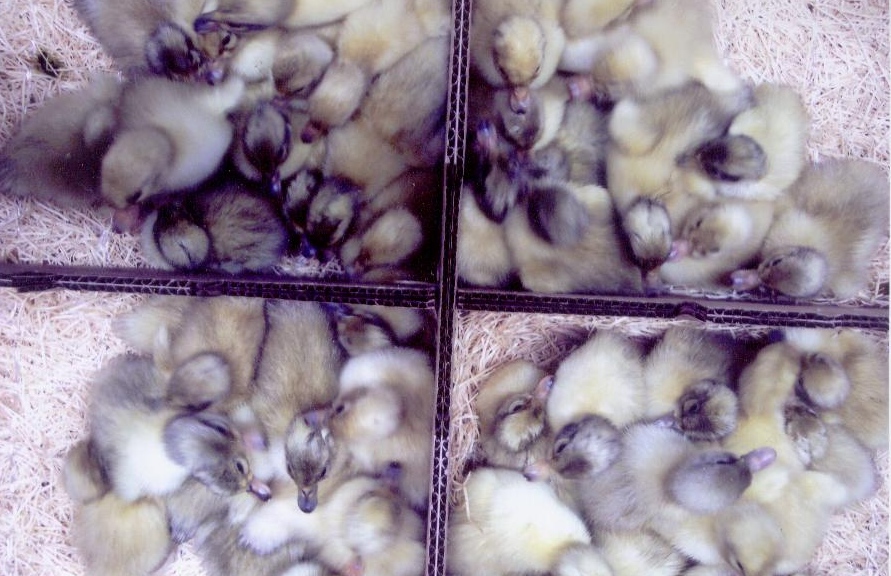
Before Blue Swedish ducklings arrive, customers should prepare a clean, warm, and safe brooder.
A proper duckling setup should include:
A secure brooder
A proper heat source
Clean drinking water
Duckling feed or appropriate waterfowl starter
Dry bedding
Enough room to move away from heat
Protection from drafts, pets, and predators
Ducklings should always have access to water when eating. However, customers should use a water setup that reduces splashing so the brooder stays as dry as possible.
As Blue Swedish ducklings grow, they need more space, better bedding management, and safe outdoor transition areas.
Is This Breed Right for You?
Choose Blue Swedish Ducks if you want:
A calm domestic duck
A blue-gray duck variety
A hardy duck for cooler climates
A good family-friendly flock bird
A duck that is easy to raise and keep
A breed among the older domesticated ducks
A duck with natural-looking plumage
A good backyard or homestead duck
A bird that adds color variety to the flock
A manageable duck for small farms and families
Blue Swedish Ducks are not the best choice for customers who want a tiny bantam duck, a strong flying Mallard-type duck, the highest egg-production duck, a plain white meat duck, or ducklings shipped to Hawaii.
Recognition and Availability
Cackle Hatchery® offers Blue Swedish Ducks for customers who want a calm, hardy, blue-gray domestic duck with backyard, family, and farm value.
Customers may also want to compare Black Swedish Ducks, Cayuga Ducks, Rouen Ducks, Pekin Ducks, Buff Ducks, Welsh Harlequin Ducks, and Cackle’s full Ducks for Sale category.
Related Ducks and Helpful Cackle Hatchery® Resources
If you like this breed, you may also want to compare Black Swedish Ducks, Cayuga Ducks, Rouen Ducks, Pekin Ducks, Buff Ducks, Welsh Harlequin Ducks, Khaki Campbell Ducks, Golden 300 Hybrid Layer Ducks, Hatchery Choice Duck Assortment, and Ducks for Sale.
Helpful Cackle resources include Duck Breeds List Comparison Chart, Sexing Ducklings and Goslings, 12 Benefits of Keeping Ducks, Duck Eclipse and Nuptial Molts — What Do They Mean?, Chicken Guarantees and Policies, Cackle Hatchery FAQ, and Availability Chart.
FAQ: Blue Swedish Duck
What is a Blue Swedish Duck?
A Blue Swedish Duck is a hardy, calm domestic duck known for blue-gray plumage, family-friendly temperament, and backyard flock value.
Are Blue Swedish Ducks an old breed?
Yes. Blue Swedish Ducks are among the older domesticated duck breeds and remain popular today.
What color are Blue Swedish Ducks?
Blue Swedish Ducks have an interesting blue-gray appearance. Shade can vary from bird to bird.
Are Blue Swedish Ducks easy to raise?
Yes. Blue Swedish Ducks are generally easy to raise, care for, and keep when customers provide proper feed, water, shelter, and predator protection.
Are Blue Swedish Ducks hardy?
Yes. Blue Swedish Ducks are hardy and adapt well to cold climates with proper housing and care.
Are Blue Swedish Ducks good family ducks?
Yes. Their calm, good-natured temperament makes them a good choice for families and backyard flocks.
Are Blue Swedish Ducks good pets for children?
They can be good family pets and are especially popular with young children when adults supervise handling and care.
Does Blue Swedish plumage help with camouflage?
Their blue-gray plumage can help them blend into some surroundings, which may make it harder for predators to target them. However, they still need predator protection.
Do Blue Swedish Ducks lay eggs?
Yes. Blue Swedish Ducks can provide eggs for backyard and farm flocks, though production varies by care, feed, daylight, season, and individual bird.
Are Blue Swedish Ducks good for cold climates?
Yes. Their hardiness makes them a good option for cooler climates when customers provide shelter from wind, wet bedding, ice, and extreme weather.
What does “breeding blue” mean?
Blue color genetics can produce color variation in offspring. If customers breed Blue Swedish Ducks, ducklings may not all hatch the same shade of blue.
Are Blue Swedish Ducks the same as Black Swedish Ducks?
No. They are related Swedish duck varieties, but Blue Swedish Ducks have blue-gray plumage while Black Swedish Ducks have black plumage.
Do Blue Swedish Ducks ship from Cackle Hatchery®?
This order ships from a different location through one of Cackle Hatchery®’s participating hatchery partners.
Can Blue Swedish Ducks ship to Hawaii?
No. Cackle Hatchery® cannot ship ducks to Hawaii.


larry_cooksey –
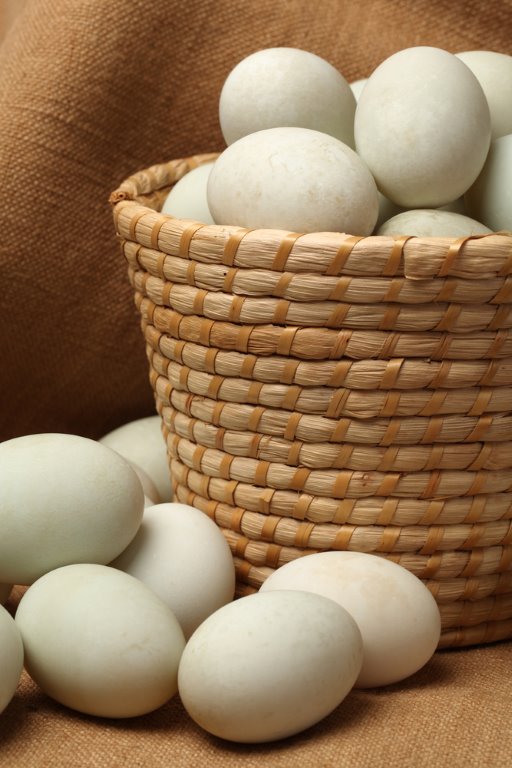
This is the second order of the Blue Swedish ducks that I have had. I have found them to be very vocal, which I enjoy and seem to be the leaders of the other ducks I have. I find them very beautiful ducks not as friendly as some but not mean at all. They share a large pen with my chickens and all use the same nests to lay in. They do love their pools and can be found in them most days. They do lay large greenish hued eggs and are good layers. As I stated this is my second order of them and I like them very much.
deecram2713 –
Greetings all. We live in Southern Colorado and we have 2 Swedish blue ducks. One is 3 years old and the other is 6 months old. We chose the Swedish blue duck because there heartiest breed we found to hold up in the Colorado winters and summers. We choose our Brahma chickens for the same reason. We have 15 chickens and 2 ducks. They all get along together as a flock. No infighting.
The ducks themselves have interesting personalities. Priscilla, our 3 year old is very friendly and very talkative with her quacks. She lays down in the grass waiting for us to come pet her, but it has to be when she is in the mood. Our 6 month old duck is still leary of us but she’s getting better at interaction. We have raised our chickens and ducks together, the ducks even prefer to sleep in the coop with the chickens. They all go in the coop when the sun goes down. All in all I would recommend the Swedish blue duck and the brahma chickens as coop mates. One caveat, the Swedish blue can be a little noisy. Fortunately we have understanding neighbors cause we live in town. So all our neighbors received complimentary eggs often. So far no complaints in 3 years.
kmoore1121 –
I ordered one male and four female Blue Swedish this past May, but unfortunately, they haven’t been as friendly as described or Cayuga that I’ve had in the past. Despite our efforts to handle them from day one, they seem quite skittish and don’t really enjoy being held. They are beautiful, decently sized birds—the drake has a darker head and some darker feathers, while the females have white speckling on their necks and breasts. They’re not solid blue, which I understand better now after reading about breeding and color traits. They are considerably larger than typical Cayugas.
About a month ago, we lost two females to a fox, which led to a sad but interesting period of emotional recovery for the survivors. We gave them extra care and attention, and they now seem to be a happy couple. I’m hopeful they will start mating and laying eggs soon, but with fall approaching here in New England, we may not see ducklings this year. Overall, I’m happy with this breed, but I may consider a different one in the future.
Amy Taylor –
I ordered a sexed female and that’s what I got, but she lays white eggs, and not the blue/green tinted eggs I was hoping for. She’s beautiful and full of personality but I was just hoping for some colored duck eggs.