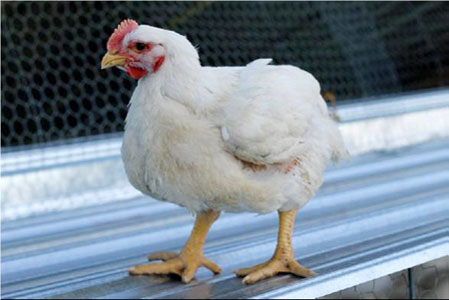
Woody breast, also called wooden breast, is a muscle condition in fast-growing Cornish Cross broilers that makes the breast meat tough and fibrous like wood. It’s safe to eat but the meat quality suffers, which can be mitigated by the cooking method. The main cause is rapid growth leading to poor oxygen supply in the breast muscles. To avoid woody breast, harvest birds when they are less than 7 weeks old and weigh less than 7 pounds, raise them in cooler seasons, and manage their diet for slower growth.
What is Woody Breast?
Woody breast is a condition that hardens the breast muscle in broiler chickens, creating stiff, wood-like fibers. The meat therefore becomes less appealing and tough to chew.
This disorder is one of several breast meat issues in the fast-growing Cornish Cross, which can reach 6 pounds in less than 7 weeks. The condition has become more common due to selective breeding for larger breasts, which make up at least 20% of a bird’s total body weight.
How to Spot Woody Chicken Breasts
Identifying woody breast helps you decide the best way to cook the meat. Look for these signs:
• Firmness: Instead of flexing easily, the meat feels hard and rigid to the touch, like pressing on wood.
• Appearance: Pale, swollen look with possible thick, sticky fluid or surface bruises.
• Texture When Eaten: Tough, chewy, and less juicy than normal chicken breast.
What Causes Woody Chicken Breast?
The causes are multifaceted, combining genetics, nutrition, and environment. Fast growth in Cornish Cross strains outpaces the muscle’s ability to get enough oxygen and nutrients, leading to metabolic waste buildup and excessive fibrous tissue. Key factors include:
• Growth Rate and Diet: Nutrient-dense feeds speed up growth, increasing the risk for birds that reach harvest weight at 6 to 8 weeks.
• Body Weight and Breast Size: Heavier birds weighing more than 7 pounds with oversize breasts have higher incidence.
• Gender: Roosters are more affected than hens.
• Environment: Heat stress makes it worse, as broilers struggle with temperature regulation.
• Other: Coccidiosis vaccination in hatchlings appears to reduce risk.
Is Woody Chicken a Genetic Issue?
Woody breast has a genetic component but isn’t purely hereditary. Heritability is low in purebred lines but higher in Cornish crossbreds, with their rapid growth and large breasts. No single gene has been identified yet, but breeding for bigger breast muscles is a factor.
Management plays a bigger role, though. Environmental considerations reduce incidence more than genetic changes.
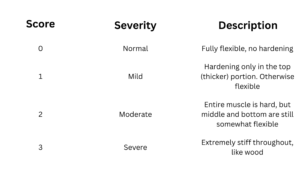
What is a Woody Breast Score?
Breast meat is graded on a 0-3 scale based on hardness and flexibility:
Is Woody Breast Chicken Okay to Eat?
Yes, woody breast meat is safe to eat and poses no health risks to humans. However, meat quality suffers in these ways:
• More fat
• More collagen (= toughness).
• Less protein
• Less moisture retention (= drier)
• Lower nutritional value
• Less visual appeal
The breast meat is not spoiled. It’s just texturally inferior.
How to Cook Woody Breast Meat
Cooking methods depend on severity. Handle a mild case as you would normal chicken. However, a severe case needs special preparation.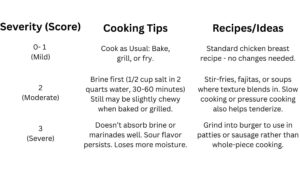
How to Avoid Woody Chicken Breast
Preventing woody breast in homegrown Cornish Cross broilers focuses on management and nutrition. Total elimination is improbable in fast-growing, big-breasted broilers. To minimize the risk of woody breast:
• Harvest Younger: Process at 6 to 7 weeks and less than 7 pounds.
• Cooler Seasons: Raise broilers in spring or fall to avoid heat stress.
• Diet Adjustments: Use balanced feeds to slow growth slightly without sacrificing efficiency.
• Vaccinations: Coccidiosis shots reduce odds.
• Monitoring: Raise a slower-growing meat bird, such as Cackle’s Red Broiler or a heritage breed.
With good practices, homegrown Cornish Cross broilers can yield top-quality meat free of woody breast concerns.
Helpful Links
Meat Chickens from Cackle Hatchery®
Why Raise Cornish Cross Chickens?
Raising Cornish-Cross Chickens for Meat (Booklet)
And that’s today’s news from the Cackle Coop.
Gail Damerow has written numerous books about keeping poultry, many of them available from the Cackle Bookstore.