The details of exactly when and how Silkie bantam chickens came into being have been lost in the mists of time. The breed was first mentioned by Marco Polo, who wrote about “chickens with fur-like feathers and black skin” in his 13th century report of his explorations in Asia. Most likely Silkie chickens existed long […]
Continue Reading
The Khaki Campbell duck came about when Adele Campbell of Gloucestershire, England, wanted a dual-purpose duck that laid well, but with a good-size body for roasting. The resulting duck breed first appeared in the late 1800s. The ducks’ buff-color plumage reminded Ms. Campbell of army uniforms, hence the name Khaki Campbell. Introduced to the United […]
Continue Reading
Chickens, including bantams, tend to do better in cold weather than in hot weather. However, some bantams tolerate the cold better than others. Certain features — such as dense plumage, leg feathering, beards, and small combs — contribute to a cold hardiness. Often the country of origin provides a clue to a breed’s climate tolerance. […]
Continue Reading
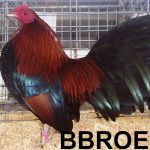
Chicken keepers often use abbreviations and assume their listeners know what they mean. Here are some of the more common chicken breed abbreviations, along with abbreviations for variety features and those used for show that may be puzzling when you see them in poultry publications, forums, and websites. Note that abbreviations may be combined to […]
Continue Reading
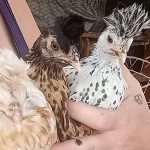
Spitzhauben chickens originate in the Appenzell district of Switzerland. They are therefore often called Appenzeller Spitzhaubens. The Swiss word spitzhauben refers to the breed’s crest of forward curving feathers, which remind Appenzell residents of their traditional lady’s bonnets. Near Extinction According to The Livestock Conservancy, Spitzhaubens have been known since the 16th century, kept in […]
Continue Reading
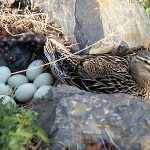
The natural color of wild duck eggs is greenish or bluish. That’s because eggs with tinted shells are easier to hide from predators. Many consumers, however, prefer eggs with white shells, presumably because white represents purity. Eggs with Blue-Green Shells Wild mallards lay eggs with blue-green shells. Domestic Mallards usually lay eggs with blue-green shells, […]
Continue Reading
A lot of chicken keepers are fond of adding vinegar to their chickens’ drinking water. Chickens like the taste of vinegar in mild doses — one tablespoon vinegar per gallon of water. And since hens run the risk of dehydration during hot summer weather, many backyard keepers add vinegar to chickens’ water to encourage their […]
Continue Reading
As a chicken keeper, you may sometimes have more eggs than you can use, while at other times you have too few. Logically you’d want to preserve surplus eggs in times of plenty to use in times of need. By far the safest way to store eggs long-term is in a refrigerator. Save only eggs […]
Continue Reading
Chamois Spangled Spitzhauben – Sold as Baby Chicks Only – No Sexing Available
Minimums –
Not Sexed = 3
Total of 3 birds to ship
Seasonal/Shipped Mid Feb thru Mid August.
Maximum of 10 per order
Continue Reading
Comparison Chart of Duck Breeds – Click the name of the breed for more information, to see an image of that breed and for purchasing options. Breed Breed Color Link Weight Purpose/Type Egg Production Temperament APA TLC Ancona Duck 7-8 lbs Egg Laying; Exhibition Eggcellent Docile No Critical Status Buff Duck 5-6.5 lbs Egg and […]
Continue Reading