Chickens, and people, commonly carry Salmonella bacteria in their intestines, but don’t necessarily get sick. Chickens shed the bacteria in their poop, which — you know if you have chickens — ends up everywhere chickens go. Bacteria that enter your mouth can result in a common intestinal infection (salmonellosis). You can easily avoid this infection by not […]
The United States was officially founded as a nation on July 4, 1776, when the Continental Congress adopted the Declaration of Independence. Although residents of the new country had plenty of chickens, many of the breeds we know today didn’t exist then. So let’s take a look at the chickens that were here at the […]
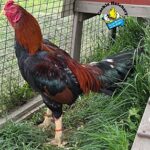
The handsome and robust Aseel chicken is known for being friendly with humans but aggressive toward other chickens, including other Aseels. The hens, although not especially prolific layers, are excellent broodies and fiercely protective mothers. This slow growing breed is especially flavorful when raised for meat. Aseel chickens are hardy, heat tolerant, and super active […]
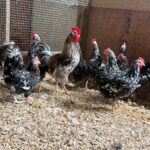
Chicken keepers who overlook the importance of the rooster-to-hen ratio may wonder why their flocks experience problems. Too many roosters lead to fighting, stressed and over-mated hens, lower egg production, and poor fertility. Surprisingly, too few roosters create some of the same issues. Let’s look at why getting this balance right matters so much. The […]
What better way to celebrate the historic highway’s centennial than to get your chicks on Route 66! The thruway — which runs from Chicago to Santa Monica, California — opened in 1926 as one of the original roads in the United States highway system. Ten years after Route 66 opened, Cackle Hatchery® was established in […]
Call ducks are the smallest domestic duck breed. Compact and feisty, they have tiny, round bodies, short necks, small heads, and short bills. These ducks come in numerous colors, not all of which are admitted to the American Standard of Perfection. How did this duck breed get its name? In the 1600s, Call ducks were used […]
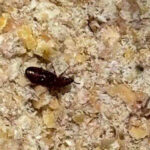
Quite a large variety of bugs enjoy grain products as much as chickens do. Bugs eat the grain and propagate by laying eggs in the grain kernels. They can affect dried grains (chicken scratch), as well as processed pellets, crumbles, and mash. Let’s look at how to identify what kind of bugs they are, how […]
Every year during the third week of May, we get to shine a spotlight on International Heritage Breeds Week. It’s all about raising awareness for those endangered old-school poultry breeds that are hanging on by a thread. Get creative—host a little event in your area, or just share some photos of your flock. The goal? […]
Do you deworm your chickens too often, or not often enough? Whether your chickens need deworming, and how often, has no one-size-fits-all answer. Factors that influence whether or not you should deworm your chickens include the type of worms present in your environment, how you house your chickens, and your climate. Why deworming is important. […]