Until the 1960s, no one was able to determine the function of a chicken’s cloacal bursa. That year, in an attempt to find out, Ohio State University graduate student Bruce Glick performed bursectomies on some chickens. But it didn’t seem to make any perceivable difference. Unintended Consequences Then a fellow graduate student, Timothy Chang, borrowed […]
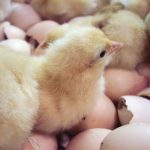
Whether or not using more than one incubator makes sense depends on how much hatching you plan to do and how many different chicken breeds or poultry species you wish to hatch. Most incubators for home use are designed for batch hatching. Sometimes, though, you might not want to wait until the eggs hatch before […]
Most chicken keepers know that a hen will lay eggs whether or not a rooster is present. But a rooster is needed in order to get fertile eggs that will hatch. Less well known is that eggs can hatch without a rooster. Virgin Birth Virgin birth, or parthenogenesis, is the process whereby an unfertilized egg […]
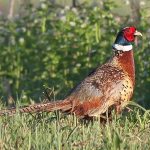
Ringneck pheasants are traditionally raised to be released as game birds. But people have plenty of other reasons for raising ringneck pheasants. They are also raised for their excellent meat, tasty eggs, gorgeous feathers, or simply for their awesome beauty. Game Bird The ringneck pheasant is a native game bird in China. Since the late […]
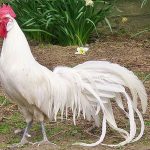
A longtail chicken is one of several breeds selectively bred for growing particularly long tail feathers. The roosters have two specialized genes that allow their tails to grow longer than those of other breeds. One is a nonmolting gene that causes some of their tail feathers to not molt. The other gene produces rapid tail-feather […]
The pecking order governs the social organization of a flock of chickens, thereby reducing tension and stress in an established flock. Starting in the brooder, chicks spar almost from the day they hatch. By the time they are about six weeks old, each has established its place in the pecking order. In general, roosters are […]